Crude oil prices have surged past $100 a barrel due to the ongoing conflict in Iran, causing significant market reactions.
Crude Oil Prices Surge Amid Iran War
Crude oil prices have crossed $100 a barrel amid the ongoing Iran war, with Brent crude oil prices spiking toward $120 per barrel. This surge follows a military attack launched by the United States against Iran, which has significantly impacted global oil markets.
The price of the US benchmark WTI oil contract topped $100, marking a notable increase of 31% in recent weeks. This rise in oil prices echoes the last time crude futures climbed above $100 in February 2022, shortly after Russia’s invasion of Ukraine, highlighting the sensitivity of oil markets to geopolitical tensions.
Historically, crude oil prices have been volatile, with Brent reaching a record high of $147.50 per barrel on July 11, 2008. The current situation has led to fears of further price increases as the conflict in Iran escalates. According to market analyst Andy Lipow, “The psychological level of $100 oil may just be a short-term price target on its way to higher levels as the conflict drags on.”
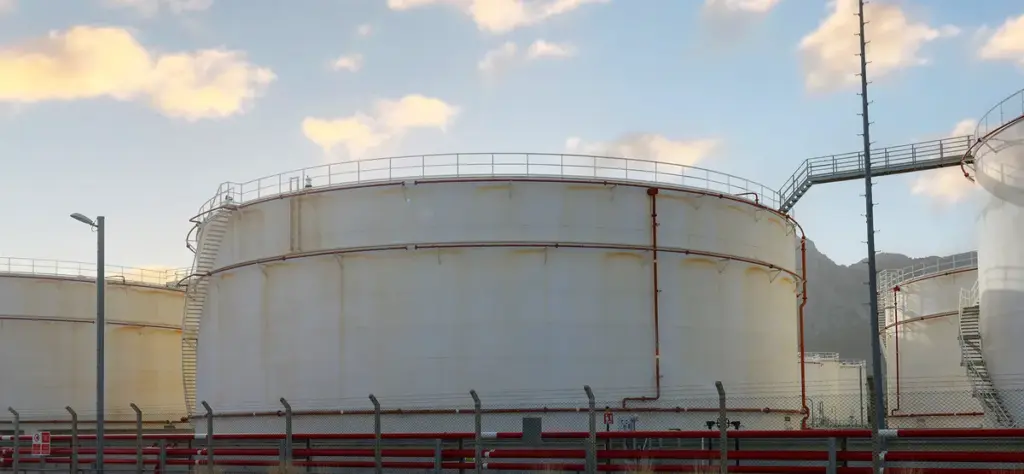
The ongoing conflict has also led to significant logistical challenges in oil production. The closure of the Strait of Hormuz has caused storage facilities to rapidly reach capacity, prompting Kuwait and the UAE to begin reducing output. Observers note that Middle East oil production shut-ins could exceed 4 million barrels a day by the end of next week due to these constraints.
As crude oil prices surge, the Nifty 50 index may see a 10% correction as a direct consequence of rising oil prices. ICICI Securities has indicated that in such an environment, the Nifty 50 could potentially drop by approximately 10% from the pre-conflict level of 25,178, with the P/E ratio possibly falling to around 18x.
Market participants are closely monitoring the situation, with fears of disruption to oil flows through the Strait of Hormuz remaining a primary concern. Haris Khurshid, a market analyst, stated, “Right now, the biggest fear is still disruption to flows through Hormuz.” This uncertainty adds to the volatility in oil prices, as traders react to the evolving geopolitical landscape.
Details remain unconfirmed regarding the full extent of production cuts and their long-term implications on global oil supply. As the situation develops, the oil market is expected to remain highly reactive to news from the region, with potential for further price fluctuations in the coming weeks.