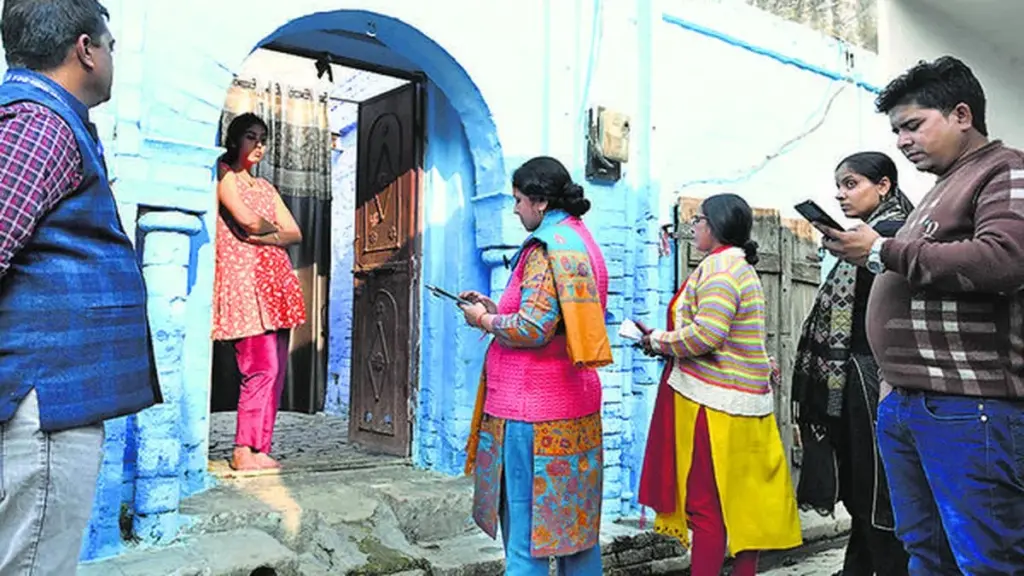
Census 2027 will mark a significant transformation in India’s population counting process, introducing digital methodologies and caste enumeration.
What can we expect from Census 2027 in India? This upcoming census promises to be a groundbreaking event as it will be the world’s first fully digital population census, set to commence on April 1, 2026.
The Census 2027 will be conducted in two phases: House Listing and Population Enumeration. The first phase will include 33 questions, covering various aspects of household demographics, such as the sex of the head of the household and the type of cereal consumed. This comprehensive approach aims to gather detailed data that will inform planning for education, health, housing, and infrastructure for the next decade.
With a budget of over ₹11,718 crore, the Indian government is making significant investments in this census. The Population Enumeration phase is scheduled for February 2027, and it is expected to cover approximately 1.4 billion people. To facilitate this massive undertaking, around 3.2 million field personnel will be involved in the enumeration process.
For the first time since 1931, Census 2027 will include caste enumeration, a move that has generated considerable discussion among various communities. The Registrar General and Census Commissioner of India emphasized that “Census 2027 is not a rescheduled count. It is a complete re-engineering of the enumeration process.” This indicates a shift towards a more modern and efficient methodology.
The digital transformation of census methodology means that data will be collected, validated, and processed in near real-time. The self-enumeration portal will be available in 16 languages, making it accessible to a diverse population.
Citizens are urged to provide accurate information to surveyors, as the quality of the data collected will significantly impact future planning efforts. The Registrar General has highlighted the importance of this data, stating, “The data determines the quality of planning for education, health, housing, and infrastructure for the next decade.”
As we approach the start date for self-enumeration, many questions remain about how effectively the new digital systems will function and how the inclusion of caste data will influence social dynamics. Details remain unconfirmed.