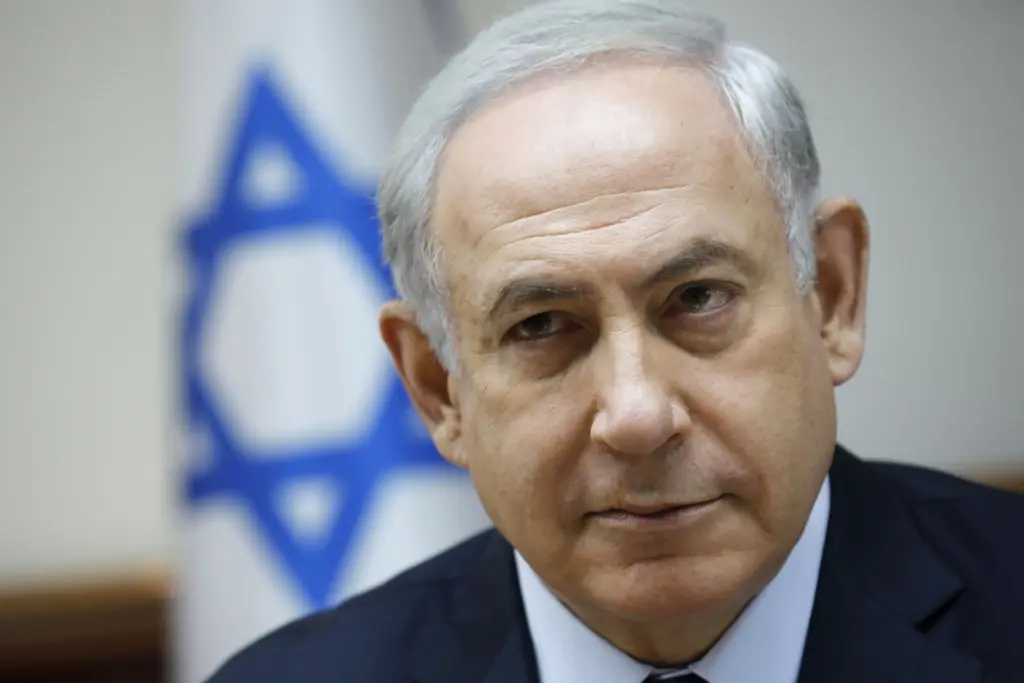
Introduction Benjamin Netanyahu, a prominent figure in Israeli politics, has once again emerged as a central player following the recent Knesset elections. His long-standing tenure as Prime Minister and his leadership of the Likud party continues to shape the political landscape of Israel. Understanding Netanyahu’s role is crucial as it impacts not only domestic policies
Introduction
Benjamin Netanyahu, a prominent figure in Israeli politics, has once again emerged as a central player following the recent Knesset elections. His long-standing tenure as Prime Minister and his leadership of the Likud party continues to shape the political landscape of Israel. Understanding Netanyahu’s role is crucial as it impacts not only domestic policies but also international relations, especially amidst rising tensions in the Middle East.
Political Background
Netanyahu first served as Prime Minister from 1996 to 1999 and returned to power in 2009, holding the position for over a decade until 2021. His leadership is marked by a blend of hardline security policies and strategic diplomatic maneuvers. During his previous terms, he emphasized strong military actions against Hamas and focused on forging alliances with Gulf states, significantly altering Israel’s geopolitical standing.
Latest Developments
As of 2023, Netanyahu’s government is facing numerous challenges, including ongoing conflicts with Palestinian groups in Gaza and rising political dissent among Israeli citizens regarding economic issues and social policies. In response to these challenges, Netanyahu has maintained his firm stance on security while also navigating the complexities of coalition politics, seeking to strengthen his administration through alliances with far-right parties.
In the recent elections, Likud garnered substantial support, enabling Netanyahu to form a government despite protests against his policies regarding the judiciary and civil rights. Protests have erupted across Israel, pushing back against plans that critics argue threaten democratic institutions. Netanyahu’s administration faces a crucial juncture as it attempts to balance national security with internal stability.
Impact and Future Outlook
The implications of Netanyahu’s continued leadership have significant consequences for both Israeli citizens and the broader international community. His policies may further entrench divisions in Israeli society, especially regarding the ongoing Israeli-Palestinian conflict. Observers are closely monitoring how Netanyahu will respond to domestic unrest and international pressure on issues like settlements in the West Bank and peace negotiations.
Looking ahead, Netanyahu’s role remains pivotal. Analysts predict that while he may continue to consolidate power, navigating the tension within his coalition and addressing public discontent will be immensely challenging. The future of Israeli politics could largely depend on how Netanyahu balances these competing interests.
Conclusion
Benjamin Netanyahu’s political journey illustrates the complexities of leadership in a region rife with challenges. As he navigates the landscape of Israeli governance, his approach will invariably influence both the nation’s trajectory and its standing on the global stage. Observers will be watching closely as events unfold in the coming months.