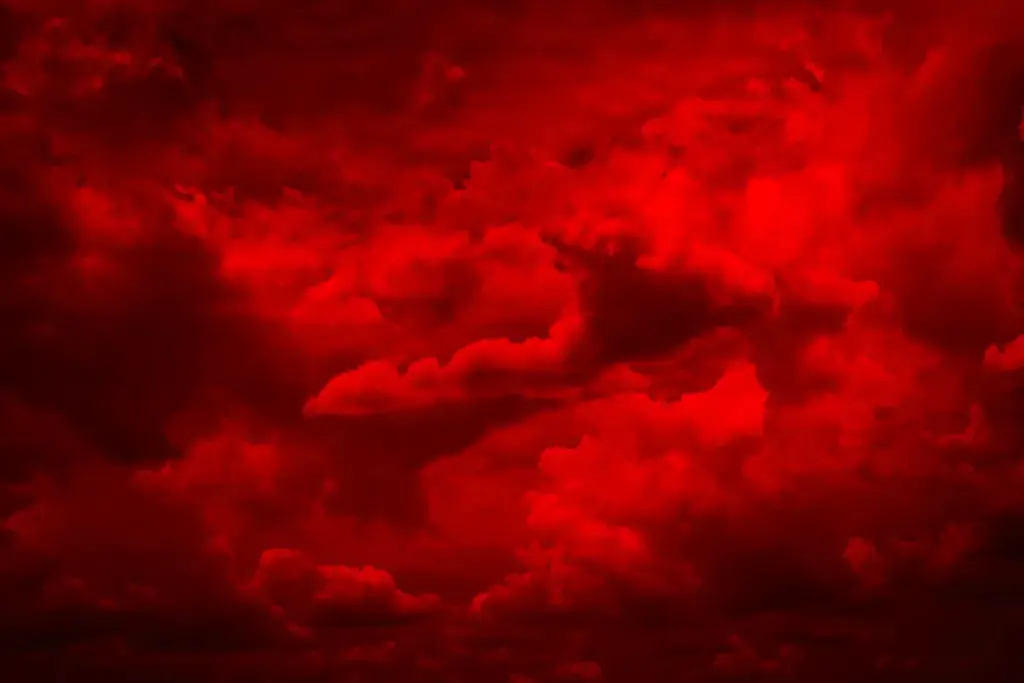
The recent red sky in Australia was a striking phenomenon caused by dust from Tropical Cyclone Narelle, affecting multiple states and territories.
How it unfolded
On March 30, 2026, a remarkable weather event unfolded across Australia as the skies turned a vivid red. This phenomenon was linked to Tropical Cyclone Narelle, which had made landfall in Queensland, the Northern Territory, and Western Australia. The cyclone’s winds, which extended 200-260 kilometers from its center, stirred up atmospheric dust, creating a striking visual display that left many residents in awe.
The origins of Tropical Cyclone Narelle can be traced back to the Solomon Islands, located 2,000 kilometers northeast of Australia. As the cyclone traveled approximately 5,700 kilometers before reaching Western Australia, it picked up significant amounts of dust along the way. This dust was rich in iron oxides, which are prevalent in the red soils of the Pilbara region, contributing to the unusual coloration of the sky.
Prior to the cyclone’s arrival, the greater northwest region of Australia had experienced limited rainfall, with only 10-50 mm recorded in the six weeks leading up to the event. This dry spell meant that the dust could be easily lifted into the atmosphere by the cyclone’s powerful winds, a situation that is relatively rare given that tropical cyclones typically bring heavy rainfall.
Tom Gill, a local observer, remarked, “This is pretty extreme! It’s about the reddest dust levels I’ve ever seen.” His statement reflects the astonishment of many who witnessed the phenomenon. The red sky, while visually striking, also raised concerns among residents about the potential health impacts of dust storms.
As the cyclone approached, a holiday park owner noted, “Not a lot of wind yet. Let’s hope we get enough rain to wash it all off. It’s an inside day for us, that’s for sure.” This sentiment was echoed by many who were apprehensive about the effects of the storm, hoping for rain to alleviate the dust and provide some relief.
NASA highlighted the rarity of such events, stating, “It is relatively rare for a storm to make landfall in three Australian states and territories.” This emphasizes the significance of Tropical Cyclone Narelle, not just for its immediate impacts but also for its broader implications in the context of Australian weather patterns.
As of now, the cyclone has passed, but the effects of the dust storm linger in the memories of those who experienced it. The red sky serves as a reminder of the unique weather phenomena that can occur in Australia, particularly in arid desert climates affected by tropical cyclones. The situation continues to be monitored, with details remaining unconfirmed regarding any long-term impacts on the environment and public health.