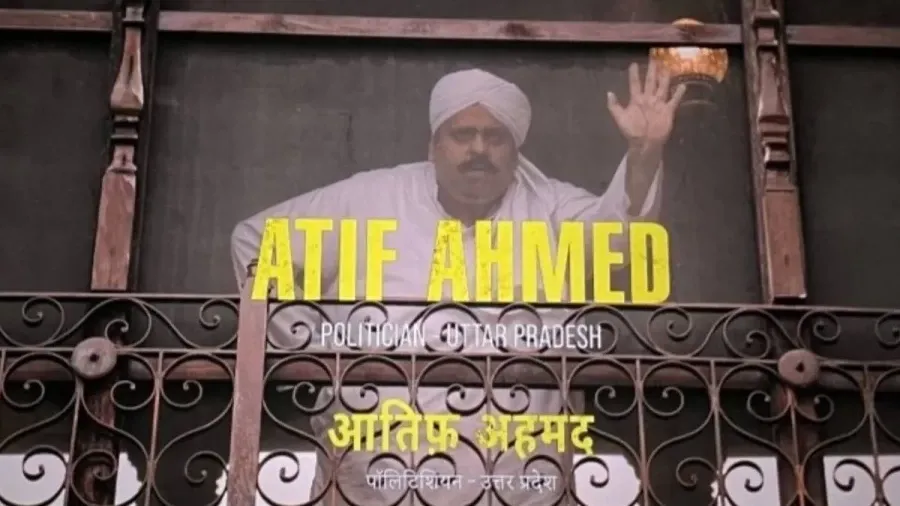
The film Dhurandhar 2 features Atif Ahmed, a character inspired by the infamous gangster Atiq Ahmed. This article delves into their connections.
The numbers
The film Dhurandhar 2 has officially arrived in theatres, and it features the character Atif Ahmed, portrayed by actor Salim Siddiqui. This character is inspired by the notorious gangster-turned-politician Atiq Ahmed, who had a tumultuous life marked by crime and political ambition. Atiq Ahmed was born in 1962 in Prayagraj, India, and had over 160 criminal cases against him during his lifetime, making him a prominent figure in the criminal-political nexus in Uttar Pradesh.
Atiq Ahmed’s criminal activities began at a young age; he was just 17 when he started his criminal record. His life took a dramatic turn when he became a Member of the Legislative Assembly (MLA) and later a Member of Parliament (MP). The film Dhurandhar 2 reflects on these themes, depicting the assassination of Atif Ahmed, which mirrors the real-life assassination of Atiq Ahmed on April 15, 2023. Atiq was shot dead at point-blank range while in police custody, a shocking event that sent ripples through the nation.
The narrative of Dhurandhar 2 explores the intersection of organized crime and politics, showcasing how these two worlds often collide. Salim Siddiqui’s performance as Atif Ahmed has been described as a “carbon copy” of Atiq Ahmed, highlighting the film’s commitment to portraying the complexities of its characters. The film also includes references to significant geopolitical events, such as the 26/11 Mumbai attacks, adding layers of context to its storyline.
In the film, a character named Major Iqbal, based on the Pakistani militant leader Ilyas Kashmiri, further emphasizes the intertwining of fictional elements with real-life inspirations. As the plot unfolds, viewers are introduced to the character’s motivations and struggles, which resonate with the broader themes of revenge and justice. A notable quote from Major Iqbal states, “As long as Atif Ahmed is alive, he will handle everything,” encapsulating the character’s determination and influence.
Critics have noted that while the film attempts to address serious issues, it also walks a fine line between reality and dramatization. One critic remarked, “It can’t be that simplistic but then it’s just a movie. It’s the business of selling dreams.” This sentiment reflects the challenges filmmakers face when tackling real-life events and their implications.
The film’s runtime is approximately 3 hours and 49 minutes, allowing for an in-depth exploration of its themes and characters. As audiences flock to theaters, they are eager to watch the unfolding drama of Hamza’s quest for revenge, a subplot that adds to the film’s tension and excitement.
As the film gains traction, observers are keen to see how it will be received by audiences and critics alike. The intertwining of Atif Ahmed’s character with the real-life figure of Atiq Ahmed raises questions about the portrayal of crime in cinema and its impact on public perception. Details remain unconfirmed regarding the film’s reception and its potential influence on discussions surrounding organized crime and politics in India.