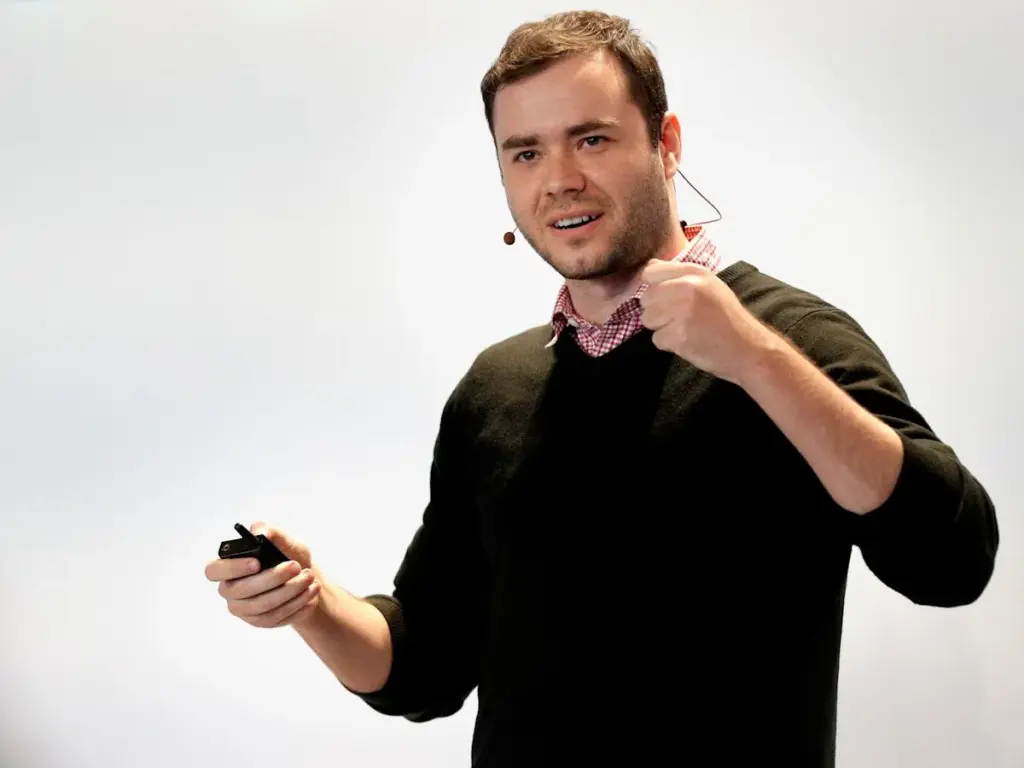
Andrej Karpathy’s perspective on AI-assisted coding highlights a significant transformation in software engineering, with developers increasingly relying on AI tools.
What does Andrej Karpathy’s perspective on AI-assisted coding reveal about the future of software engineering?
Andrej Karpathy, a prominent figure in the AI community, has observed a profound shift in software engineering practices, where AI tools are becoming integral to the coding process. He notes that his own coding style has transitioned to 80% being performed by AI agents and only 20% manually. This change raises questions about the future roles of developers and the implications of relying heavily on AI for programming tasks.
Karpathy, who previously served as the director of AI at Tesla and is a founding member of OpenAI, coined the term “vibe coding” to describe the new approach to programming that emphasizes communication with AI models in natural language. He stated, “I really am mostly programming in English now, a bit sheepishly telling the LLM what code to write… in words.” This shift suggests that the traditional methods of coding are evolving, as developers increasingly interact with AI systems rather than writing code in conventional programming languages.
The impact of AI on software development is underscored by data from Stack Overflow’s 2025 Developer Survey, which indicates that 84% of developers either use or plan to use AI-assisted programming. However, this enthusiasm is tempered by skepticism; 46% of developers expressed doubts about the accuracy of AI tools, and only 3% reported that they “highly trust” AI-generated output. This dichotomy highlights the challenges and opportunities that AI presents in the field of software engineering.
Karpathy’s observations also reflect a personal struggle with the implications of this shift. He admitted, “I’ve already noticed that I am slowly starting to atrophy my ability to write code manually.” This sentiment is echoed by other developers, such as Boris Cherny, who remarked, “For me personally it has been 100% for two+ months now, I don’t even make small edits by hand.” Such admissions raise concerns about the long-term effects on coding skills and the potential for a generation of developers to become overly reliant on AI tools.
As AI coding agents reached what Karpathy describes as a “phase shift” in software engineering around December 2025, the landscape of development is rapidly changing. The introduction of new tools like Claude Code and security-oriented alternatives such as NanoClaw, launched by Gavriel Cohen, illustrates the growing diversity of AI applications in coding. NanoClaw has gained significant traction, amassing over 18,000 stars on GitHub, despite facing challenges such as SEO issues with fraudulent websites.
While the advantages of AI-assisted coding are clear, the transition is not without its drawbacks. The change to AI-written code, as Karpathy puts it, “hurts the ego,” but he acknowledges that the benefits are too significant to overlook. This sentiment reflects a broader acceptance among developers of the necessity to adapt to new technologies, even as they grapple with the implications for their craft.
As the software engineering community continues to navigate this transformation, questions remain about the future of manual coding and the skills that will be necessary for developers. While many embrace the efficiencies that AI tools offer, the balance between human creativity and machine assistance will be crucial in shaping the next generation of software development.
Details remain unconfirmed regarding the long-term effects of this shift on coding practices and developer skills. However, the ongoing dialogue around AI in software engineering, fueled by insights from leaders like Andrej Karpathy, will undoubtedly influence the direction of the industry in the years to come.