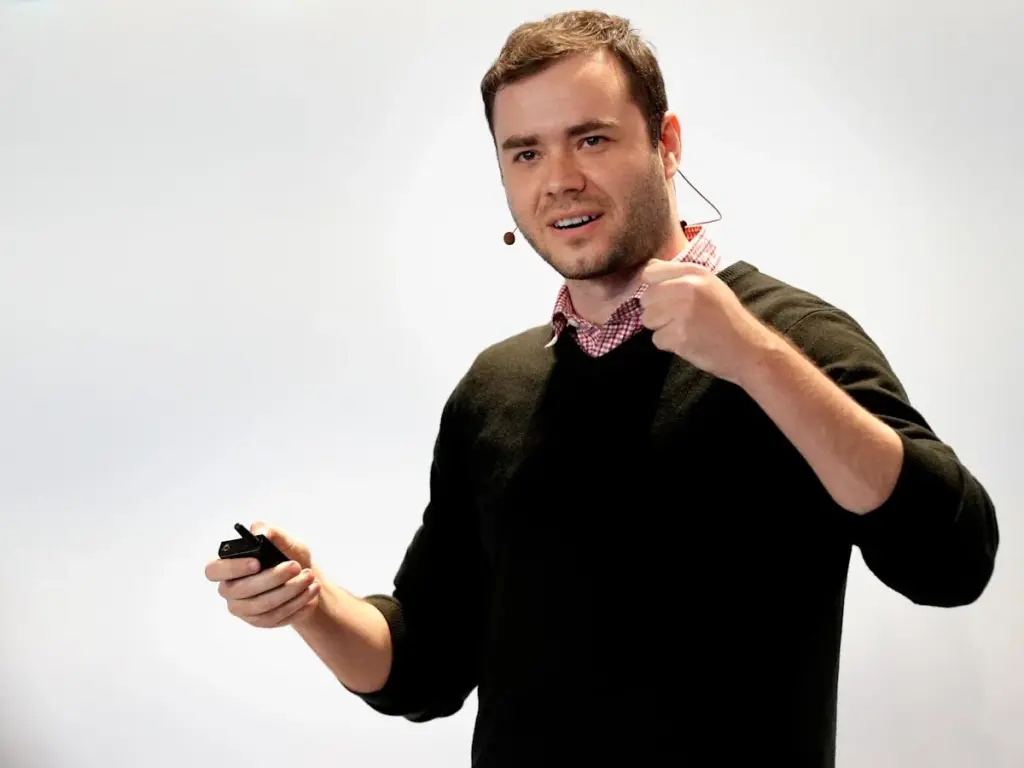
Andrej Karpathy’s influence on AI-assisted coding is reshaping the software engineering landscape. His insights highlight a significant shift in programming practices.
What does Andrej Karpathy’s influence on AI mean for the future of software engineering?
Andrej Karpathy, a prominent figure in the AI community, has significantly impacted the software engineering landscape through his advocacy for AI-assisted coding. He asserts that the integration of AI tools into programming practices has reached a pivotal moment, fundamentally altering how developers approach coding tasks.
AI’s Role in Modern Coding Practices
Karpathy, who previously served as the director of AI at Tesla and is a founding member of OpenAI, has coined the term “vibe coding” to describe the new paradigm of AI-assisted programming. He notes that his own coding style has evolved to consist of approximately 80% AI-generated code and 20% manual coding. This shift reflects a broader trend among developers, as evidenced by Stack Overflow’s 2025 Developer Survey, which found that 84% of respondents either use or plan to use AI-assisted programming.
Concerns and Skepticism in the Developer Community
Despite the growing acceptance of AI tools, there remains a level of skepticism within the developer community. The same survey indicated that 46% of developers express doubts about the accuracy of AI-generated outputs, while only 33% feel confident in the results produced by these tools. Furthermore, only 3% of developers reported “highly trusting” AI-generated code, a figure that drops to 2.6% among seasoned developers.
The Emergence of AI Coding Agents
Karpathy has highlighted a significant milestone in the evolution of AI coding agents, stating that they crossed a threshold of coherence around December 2025, which he believes has caused a phase shift in software engineering. This development has prompted discussions among engineers at organizations such as Anthropic and xAI, where Karpathy’s extensive notes on Claude Coding—spanning over 1,000 words—have garnered attention.
Real-World Applications and Implications
In practical terms, the impact of AI on coding is exemplified by the experiences of developers like Boris Cherny, who remarked, “Pretty much 100% of our code is written by Claude Code.” This statement underscores the extent to which AI tools are now integrated into the coding workflow, raising questions about the future role of human programmers.
Challenges Ahead
As the reliance on AI in software development grows, concerns about the implications for coding skills and job security are becoming more pronounced. Karpathy himself has noted, “I’ve already noticed that I am slowly starting to atrophy my ability to write code manually.” This sentiment reflects a broader anxiety among developers about the potential erosion of traditional programming skills in an increasingly automated environment.
Looking Forward
While the advancements in AI-assisted coding present exciting opportunities, they also pose challenges that the software engineering community must navigate. The balance between leveraging AI tools and maintaining essential coding skills will be crucial as the industry continues to evolve. Details remain unconfirmed regarding the long-term effects of these changes, but the conversation around AI’s role in software engineering is likely to intensify in the coming years.