Introduction Kim Jong Un has been a subject of global attention since he became the Supreme Leader of North Korea in 2011. His regime continues to be scrutinized due to its impact on international relations, particularly concerning nuclear weapons, human rights issues, and regional stability. Understanding his leadership style and recent developments is crucial for
Introduction
Kim Jong Un has been a subject of global attention since he became the Supreme Leader of North Korea in 2011. His regime continues to be scrutinized due to its impact on international relations, particularly concerning nuclear weapons, human rights issues, and regional stability. Understanding his leadership style and recent developments is crucial for comprehending the geopolitical landscape of East Asia and the global community’s responses.
Recent Developments
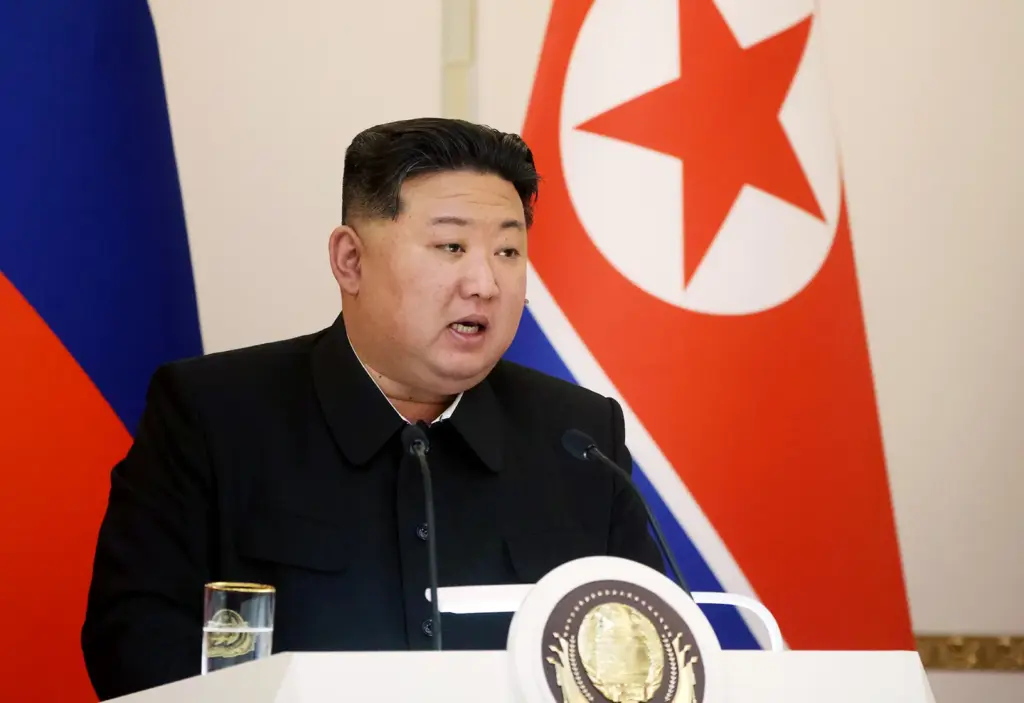
In recent months, Kim Jong Un has made headlines by increasing his diplomatic engagements and military posturing. In September 2023, he made a landmark visit to Russia for a summit with President Vladimir Putin. This meeting raised eyebrows internationally due to the potential military and economic cooperation between the two countries amid escalating tensions with the United States and South Korea. Analysts suggest that this partnership could enhance North Korea’s military capabilities and further isolate the U.S. on the global stage.
Additionally, Kim’s government has ramped up missile testing, demonstrating advancements in technology that have the potential to threaten neighboring countries and challenge U.S. military dominance in the region. The recent tests include short-range ballistic missiles and intercontinental ballistic missiles (ICBMs), which are thought to be part of his strategy to strengthen North Korea’s bargaining position in any future negotiations.
Domestic Issues and Human Rights Concerns
On the home front, Kim Jong Un faces significant challenges, including food insecurity exacerbated by international sanctions and the ongoing effects of the pandemic. Reports indicate that agricultural output has suffered, leading to malnutrition and humanitarian crises. While Kim continues to project an image of strength, the underlying economic issues remain a destabilizing factor within the country.
Human rights violations in North Korea have also been a point of contention. Organizations have reported widespread abuses under Kim’s regime, including political repression, lack of freedom of expression, and harsh prison conditions for dissenters. The international community, particularly human rights advocates, continues to push for accountability and intervention, although the regime remains largely unyielding to external pressure.
Conclusion
Kim Jong Un’s leadership remains a critical factor influencing peace and stability in the Asia-Pacific region. As North Korea continues to engage with Russia and bolster its military capabilities, the international community must navigate the complexities of diplomacy and deterrence. The developments coming out of North Korea will likely shape geopolitical dynamics, requiring close observation and strategic responses from global powers. Overall, the future trajectory of Kim’s regime will have significant implications, not only for North Korea but also for regional and global security.