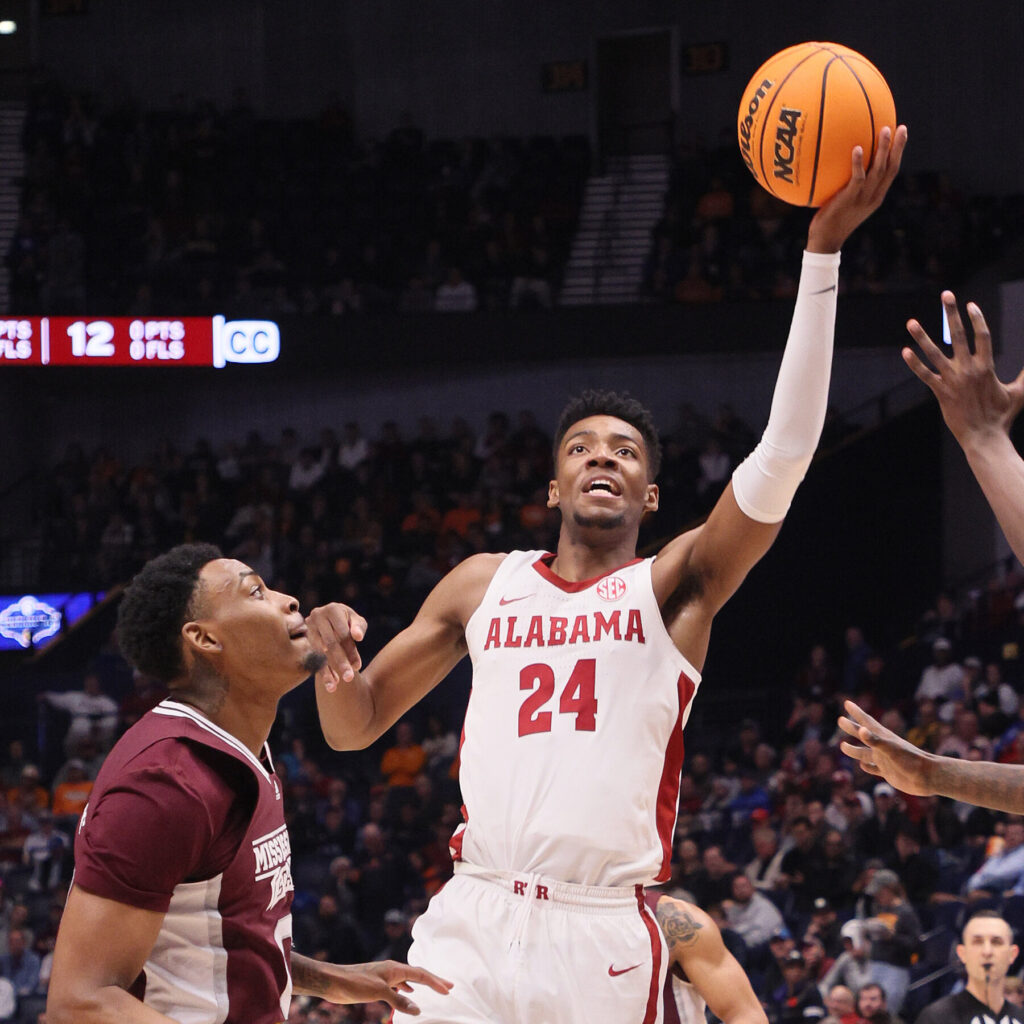
Introduction Alabama basketball is experiencing a notable resurgence, gaining attention not only for its competitive drive but also for its growing impact in NCAA college basketball. The Crimson Tide program has steadily climbed the rankings, with a focus on building a winning culture that resonates with fans and recruits alike. As the sports landscape evolves,
Introduction
Alabama basketball is experiencing a notable resurgence, gaining attention not only for its competitive drive but also for its growing impact in NCAA college basketball. The Crimson Tide program has steadily climbed the rankings, with a focus on building a winning culture that resonates with fans and recruits alike. As the sports landscape evolves, Alabama basketball stands out as a key player in a transformative era.
Recent Developments
In the past few seasons, Alabama basketball has showcased a remarkable turnaround under head coach Nate Oats, who took over in 2019. Oats has implemented an innovative style of play that emphasizes pace, three-point shooting, and defensive tenacity. This strategy has led the team to significant achievements, including a trip to the NCAA Tournament’s Sweet 16 in 2021 and a regular presence in national rankings.
The 2022-2023 season saw the Crimson Tide secure a top seed in the NCAA Tournament for the first time in decades, culminating in a historic season with impressive victories against major conference rivals. Alabama completed the regular season with a 26-5 record, demonstrating consistent performance and earning recognition as a championship contender.
Player Highlights
The transformation of Alabama basketball can also be attributed to the emergence of standout players. Rising star Brandon Miller, a freshman, has been a key player for the team, drawing comparisons to NBA talent with his scoring ability and versatility. Miller’s performance has not only added depth to the roster but has also created excitement among fans, leading to increased attendance at games and growing support from the community.
Community and Recruitment
In addition to on-court success, the Alabama basketball program has worked hard to engage with the local community. The coaching staff emphasizes the importance of building relationships with high school programs in the state, which has led to a stronger recruiting pipeline. This strategy is pivotal in maintaining the program’s competitiveness in the evolving landscape of college athletics, especially as programs globally seek to attract top talent.
Conclusion
The future of Alabama basketball looks promising as the program continues to build momentum. With a solid foundation, an innovative coaching staff, and emerging talent, there is optimistic anticipation for the seasons to come. Fans eagerly await what’s next—potential championship runs, standout performances, and the continued growth of a basketball culture that thrives in the heart of the Southeast.