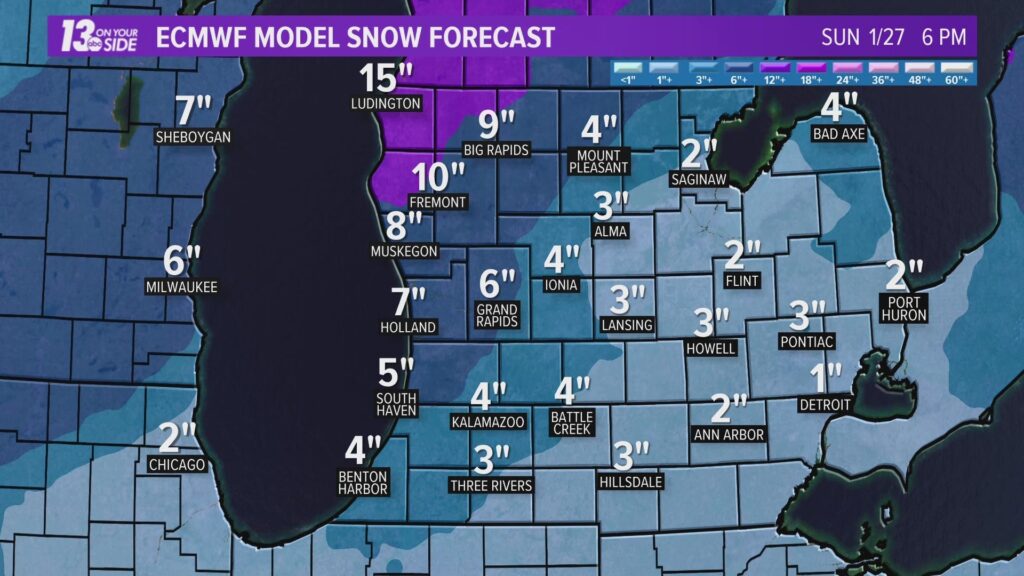
Introduction As winter approaches, snowfall weather forecasts become increasingly important for communities and travelers across the United States. Understanding snowfall predictions can influence travel plans, prepare local municipalities for snow removal, and inform residents about potential disruptions. The National Weather Service (NWS) and various meteorological agencies are gearing up to provide accurate predictions for the
Introduction
As winter approaches, snowfall weather forecasts become increasingly important for communities and travelers across the United States. Understanding snowfall predictions can influence travel plans, prepare local municipalities for snow removal, and inform residents about potential disruptions. The National Weather Service (NWS) and various meteorological agencies are gearing up to provide accurate predictions for the upcoming winter season.
Current Forecast Trends
According to the latest reports from the National Oceanic and Atmospheric Administration (NOAA), the winter of 2023 is predicted to bring above-average snowfall in several regions, particularly the Northeastern states and parts of the Midwest. A significant cold front is expected to hit by mid-December, leading to early winter storm systems that could affect a large portion of the country.
Weather models suggest that areas like New York, Vermont, and the Great Lakes region could see snow levels exceeding 30 inches by the end of January. Regions known for lake-effect snow, such as Buffalo, New York, are particularly poised for substantial accumulation, with predictions indicating potential record-breaking impacts.
Factors Influencing Snowfall
Several climatic factors are leading to these predictions. A sustained El Niño pattern has resulted in colder temperatures across key regions, paired with increased moisture in the atmosphere. As low-pressure systems make their way across the country, they are likely to interact with the colder air, leading to heavy snowfall events.
Additionally, meteorologists are monitoring a developing North Atlantic Oscillation (NAO) which may influence the path of winter storms. Should the NAO remain in a negative phase, it could lead to more frequent and intense winter weather events, affecting transport and daily life.
Preparation for Communities and Residents
Residents in predicted snowfall areas are advised to prepare accordingly. This includes stocking up on essential supplies, winterizing vehicles, and being informed about emergency services in one’s locality. The NWS will be providing regular updates and alerts in the weeks leading up to significant storms.
Conclusion
The approaching winter season brings a heightened focus on snowfall weather forecasts, underscoring the need for preparedness in affected regions. With significant accumulations predicted, residents should stay informed through official channels and take proactive measures to ensure safety. As the winter progresses, careful monitoring of weather updates will be essential for navigating the challenges posed by increased snowfall.