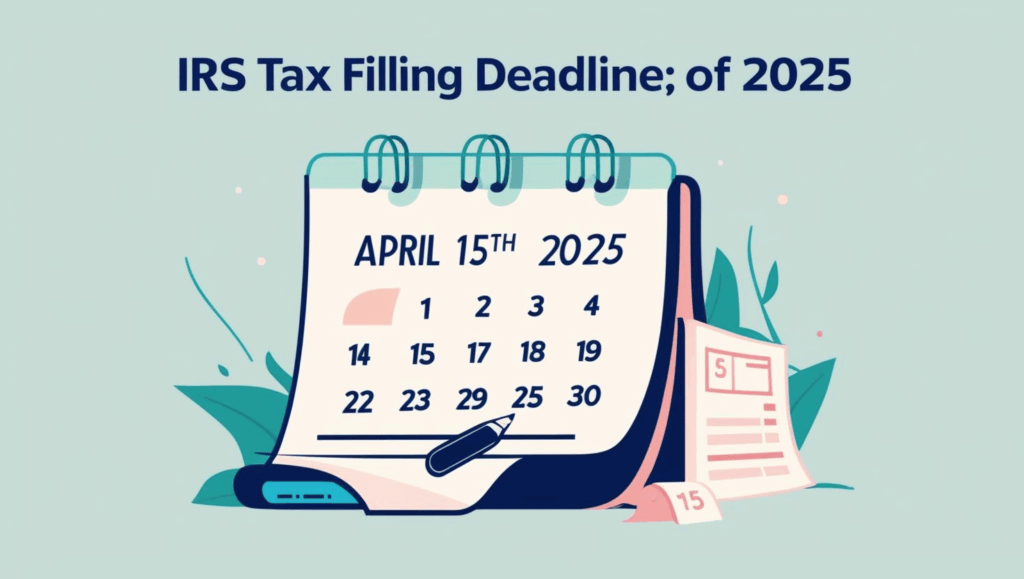
Introduction The tax filing deadline is a crucial date for millions of Americans as it marks the official end of the tax season. With the 2023 deadline fast approaching on April 18, taxpayers must prepare to file their returns efficiently to avoid penalties and ensure compliance. Understanding this date’s significance is essential not only for
Introduction
The tax filing deadline is a crucial date for millions of Americans as it marks the official end of the tax season. With the 2023 deadline fast approaching on April 18, taxpayers must prepare to file their returns efficiently to avoid penalties and ensure compliance. Understanding this date’s significance is essential not only for meeting legal obligations but also for making informed financial decisions.
The Tax Filing Deadline Explained
For tax year 2022, the Internal Revenue Service (IRS) set April 18, 2023, as the federal tax filing deadline for individual taxpayers. This is slightly different from the traditional April 15 date, which falls on a weekend this year. Taxpayers who miss the deadline may face penalties, including failure-to-file fees and interest on unpaid taxes.
In addition to the federal deadline, many states have their own deadlines, often mirroring the federal one. However, it’s important to check specific state guidelines as they can vary widely. Taxpayers in some states may have slightly different dates or additional requirements.
Implications of Missing the Deadline
If individuals do not file their taxes on time, they may incur a failure-to-file penalty, which can be up to 5% of the unpaid tax for each month the return is late, capped at 25%. Moreover, missing the deadline can result in delayed refunds, loss of certain tax credits, and, in extreme cases, increased audits by the IRS. Taxpayers who anticipate that they won’t meet the deadline are encouraged to file for an extension, which can provide an additional six months to submit their returns.
Preparing for the Deadline
To avoid complications as the deadline approaches, taxpayers should gather all necessary documentation, including W-2s, 1099s, and any relevant receipts for deductions. Utilizing tax preparation software or consulting a tax professional can also streamline the process and ensure compliance with current tax laws.
Conclusion
As the tax filing deadline of April 18, 2023, approaches, taxpayers must take proactive steps to prepare their returns. Understanding the implications of missing the deadline and utilizing available resources can help make the filing process smoother. With careful planning, individuals can meet their obligations and potentially maximize their refunds, making this tax season as stress-free as possible.