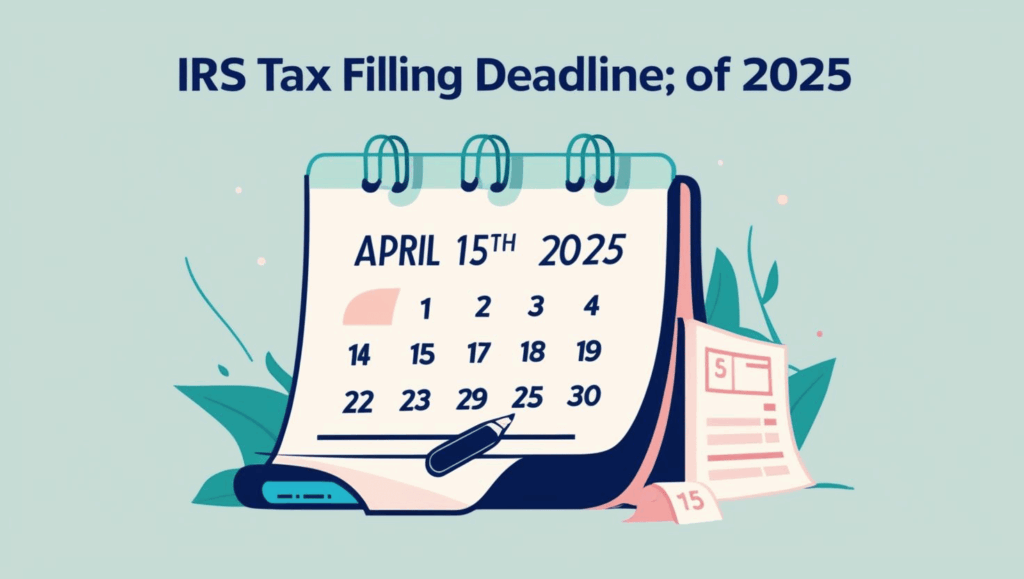
The Significance of Tax Filing Deadlines As individuals and businesses prepare for tax season, understanding the tax filing deadline is crucial. Each year, the Internal Revenue Service (IRS) sets a deadline by which taxpayers must submit their tax returns. Missing this deadline can result in penalties, including fines and interest on any taxes owed, making
The Significance of Tax Filing Deadlines
As individuals and businesses prepare for tax season, understanding the tax filing deadline is crucial. Each year, the Internal Revenue Service (IRS) sets a deadline by which taxpayers must submit their tax returns. Missing this deadline can result in penalties, including fines and interest on any taxes owed, making it essential for taxpayers to stay informed and compliant.
Important Dates and Deadlines for 2023
This year, the federal tax filing deadline for individuals is April 15, 2023. However, since April 15 falls on a Saturday, the deadline will be extended to Monday, April 17, 2023. This adjustment allows taxpayers a little extra time to gather necessary documents and submit their tax returns. For those who file for an extension, the extended deadline will be October 15, 2023.
Impact of the Tax Filing Deadline
The tax filing deadline not only serves as a submission point for tax return documents but also affects various financial elements. Failure to file on time can lead to a failure-to-file penalty; therefore, early preparation is advisable. The IRS encourages taxpayers to utilize electronic filing systems to streamline the submission process and receive refunds quicker. Additionally, early filing may help in minimizing stress and allow for corrections if mistakes are found post-submission.
Preparation Tips for Tax Season
To prepare ahead of the deadline, taxpayers should start gathering their financial documents early, including W-2 forms, 1099s, and receipts for deductions. Using tax software or consulting with a tax professional can also aid in ensuring accurate filing. Staying informed about any tax law changes for the current year is essential, as new legislation can impact what forms or deductions may be applicable.
Conclusion: The Importance of Meeting the Deadline
By being proactive about the tax filing deadline, taxpayers can avoid unnecessary stress and penalties. With the 2023 deadline set for April 17, it is crucial to develop a filing strategy early. Staying informed and organized will not only help with compliance but can also lead to maximizing potential tax returns.