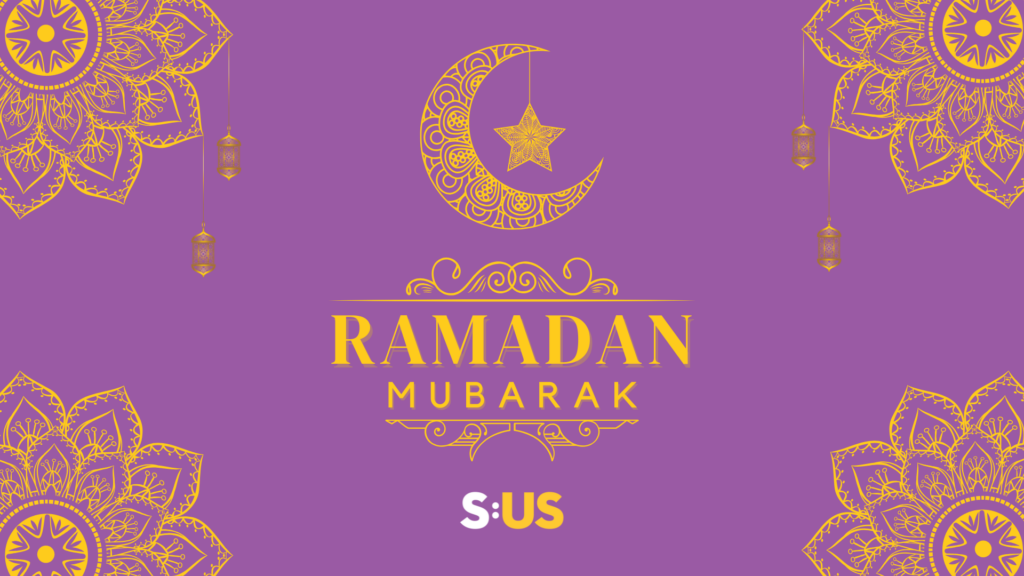
Introduction to Ramadan Mubarak Ramadan Mubarak is a phrase widely used among Muslims as they celebrate Ramadan, the ninth month of the Islamic lunar calendar. This holy month is not only a time for fasting but also a period for spiritual reflection, increased devotion, and worship. As the month approaches, millions around the world prepare
Introduction to Ramadan Mubarak
Ramadan Mubarak is a phrase widely used among Muslims as they celebrate Ramadan, the ninth month of the Islamic lunar calendar. This holy month is not only a time for fasting but also a period for spiritual reflection, increased devotion, and worship. As the month approaches, millions around the world prepare for the customs and practices that define Ramadan, making it a significant event in the Islamic faith.
Key Practices and Beliefs
During Ramadan, Muslims fast from dawn until sunset. This fast, known as ‘sawm’, is one of the Five Pillars of Islam and serves to cultivate a sense of self-discipline, empathy for the less fortunate, and devotion to God. In addition to fasting, Muslims engage in increased prayer, reading of the Quran, and charitable acts throughout the month. The nights of Ramadan are often filled with special prayers called ‘Tarawih’, performed in congregation after the evening prayer.
Cultural Significance and Celebrations
Ramadan Mubarak is also marked by various cultural traditions depending on the region. For instance, in many Middle Eastern countries, iftar, the meal to break the fast, is a communal affair, with families and friends gathering to share a meal. Traditional dishes vary widely around the world but commonly include dates and water to break the fast, followed by larger meals featuring local specialties.
Recent Observations and Global Impact
In 2023, Ramadan began on March 23 and is anticipated to end with the celebration of Eid al-Fitr on April 21. This year’s observance is particularly poignant as it comes amid ongoing global challenges like the COVID-19 pandemic, which has affected communal gatherings and celebrations worldwide. Despite these challenges, many communities have adapted by holding virtual iftars and using technology to connect with family and friends, maintaining the spirit of togetherness that Ramadan embodies.
Conclusion and Reflection
As Ramadan Mubarak approaches its conclusion, Muslims around the world reflect on the lessons learned and the spiritual growth achieved throughout the month. The significance of Ramadan goes beyond fasting; it fosters a sense of community, generosity, and commitment to faith. Looking forward, as many prepare for Eid al-Fitr, the hope is that the spirit of Ramadan will continue to influence lives by inspiring compassion and understanding in daily interactions, further uniting followers of the faith.