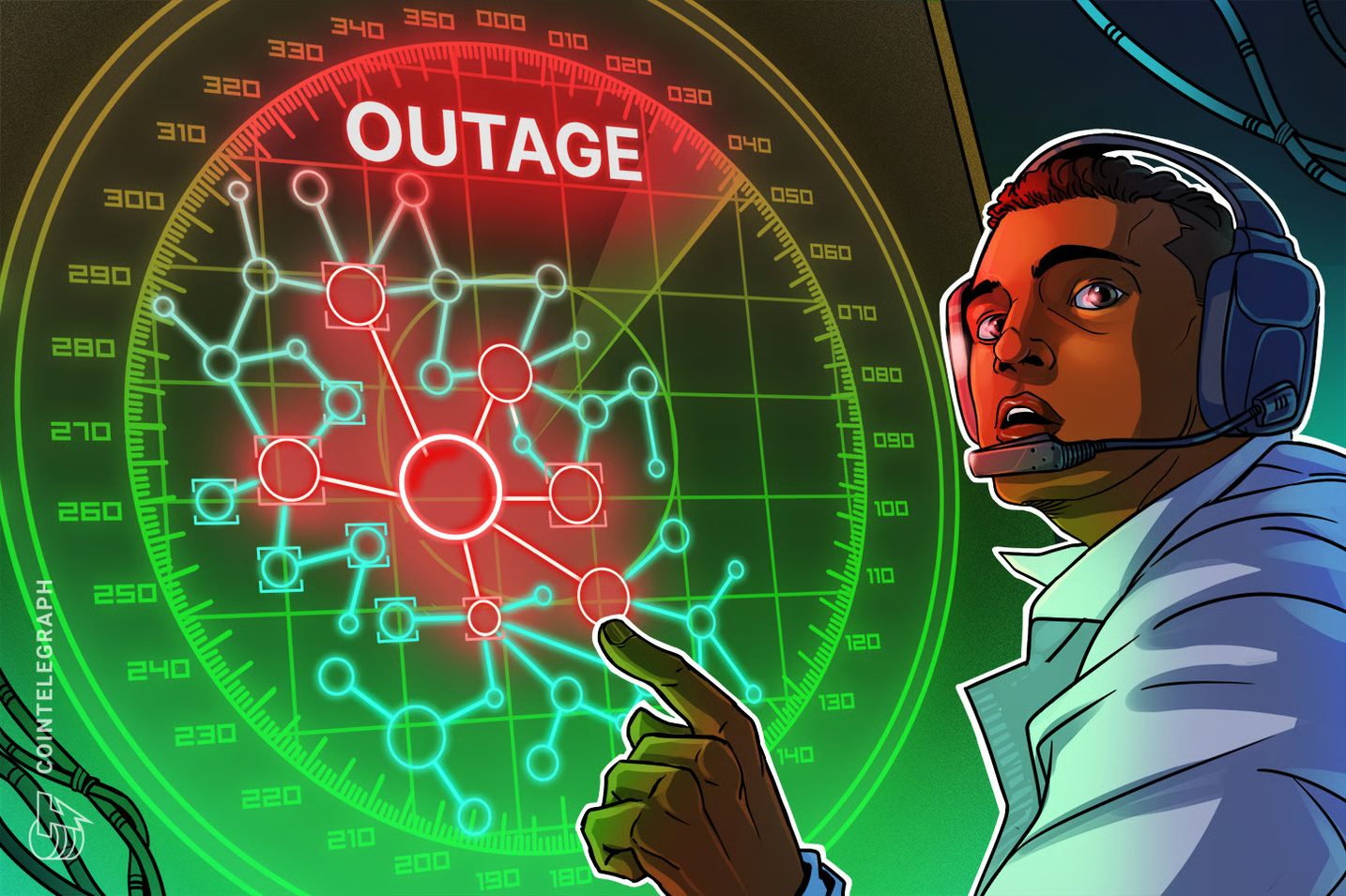
Introduction The recent outage of Amazon Web Services (AWS) has drawn significant attention from both businesses and individuals alike. As one of the leading cloud service providers globally, AWS powers numerous websites, applications, and critical infrastructures. Consequently, an outage can lead to widespread disruptions, financial losses, and heightened concerns regarding dependency on cloud technologies. The
Introduction
The recent outage of Amazon Web Services (AWS) has drawn significant attention from both businesses and individuals alike. As one of the leading cloud service providers globally, AWS powers numerous websites, applications, and critical infrastructures. Consequently, an outage can lead to widespread disruptions, financial losses, and heightened concerns regarding dependency on cloud technologies.
The Recent Outage
On March 3, 2023, AWS experienced a major service interruption that affected clients across various sectors, including e-commerce, entertainment, and finance. The outage was reported to have started around 10 AM EST and lasted for several hours. Users experienced issues ranging from slow service to complete unavailability of services like Amazon EC2, S3, and RDS. The impact was significant; for instance, popular services such as Netflix and Airbnb reported connectivity problems that hindered their operations.
According to AWS’s own status updates, the root cause was identified as a network device failure within their data centers, leading to a cascading effect that impacted resource availability. AWS engineers worked diligently to resolve the issue and restore normal functionality within a few hours. By 3 PM EST, the majority of affected services were reported as fully operational.
Impact on Businesses
The ramifications of such outages extend beyond immediate service disruptions. Many companies rely heavily on AWS for hosting their infrastructure, leading to potential revenue losses and customer dissatisfaction during outages. For online retailers, extended downtime during peak shopping hours could result in lost sales upwards of thousands to millions of dollars. Furthermore, companies are increasingly reevaluating their cloud strategies, considering multi-cloud deployments or alternative providers to mitigate the risks associated with such outages.
Conclusion and Future Implications
This incident serves as a stark reminder of the intricacies and risks tied to cloud computing. As businesses continue to migrate to the cloud, it becomes essential for IT leaders to develop contingency plans and robust disaster recovery strategies. Market analysts forecast that while AWS will maintain its dominant position in the cloud industry, the pressure from competitors and increasing demand for resilience will encourage rapid improvements in infrastructure reliability and customer support.
Ultimately, the AWS outage highlights the ongoing challenges faced in cloud service dependency and brings to light the need for organizations to remain vigilant and prepared for potential service disruptions, regardless of the benefits that cloud services offer.