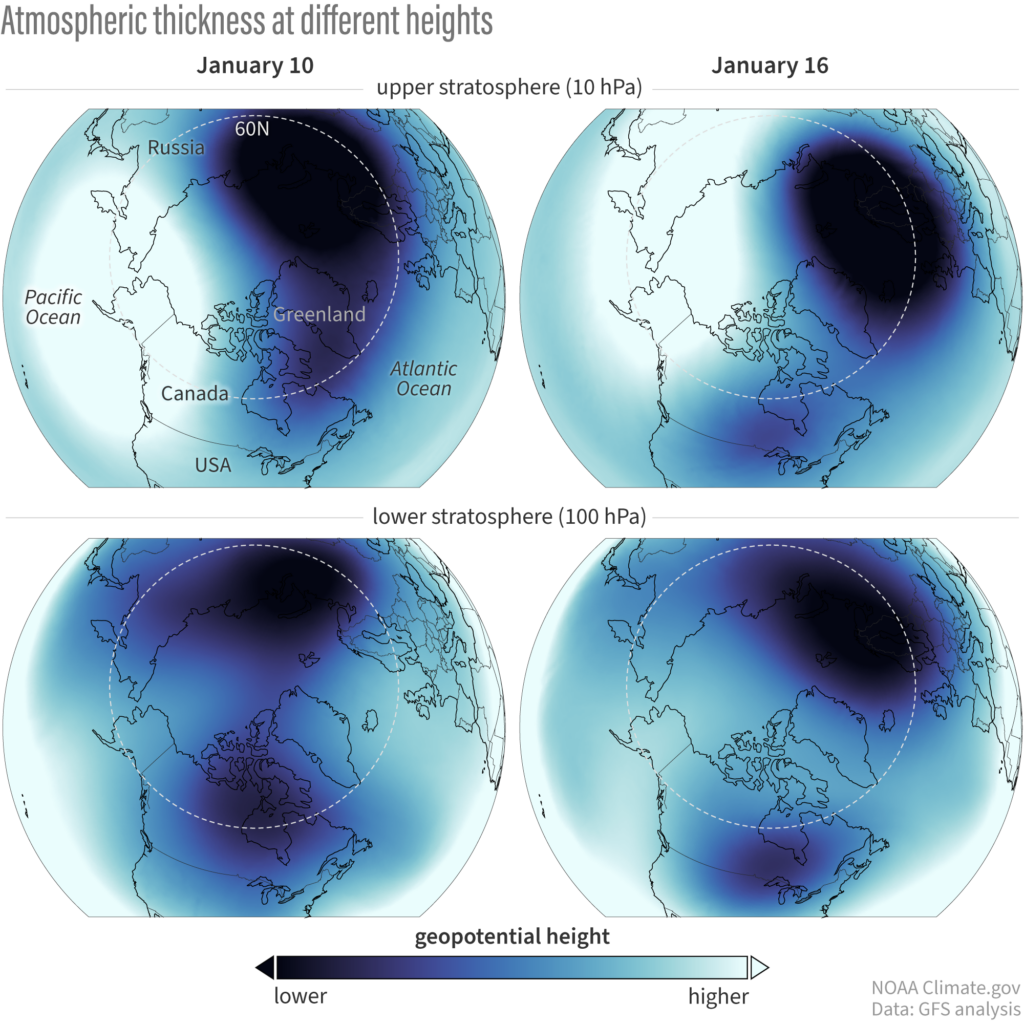
Introduction The polar vortex is a large area of low pressure and cold air surrounding the Earth’s poles. This complex weather phenomenon plays a crucial role in determining temperature and precipitation patterns across the Northern Hemisphere. With climate change impacting the magnitude and frequency of its occurrences, understanding the polar vortex has become increasingly important,
Introduction
The polar vortex is a large area of low pressure and cold air surrounding the Earth’s poles. This complex weather phenomenon plays a crucial role in determining temperature and precipitation patterns across the Northern Hemisphere. With climate change impacting the magnitude and frequency of its occurrences, understanding the polar vortex has become increasingly important, especially as many regions experience unprecedented winter weather events.
What is the Polar Vortex?
The polar vortex consists of a rotating pool of cold air that is present in both the Arctic and Antarctic regions. During winter, the polar vortex can weaken and shift, which may lead to the movement of frigid Arctic air southward into the mid-latitudes, potentially causing extreme cold conditions and severe winter weather in areas that are typically milder.
Recent Events
This year, meteorologists have observed more pronounced fluctuations within the polar vortex, leading to severe winter storms affecting states across the Midwest and Northeast. For instance, in late January 2023, a significant polar vortex disruption caused record-low temperatures in parts of the United States, with wind chill factors dropping dangerously low in areas such as Minnesota and Wisconsin. These colder temperatures led to widespread travel disruptions and safety alerts.
Impact on Weather Patterns
The polar vortex does not just influence temperatures; it can also affect precipitation levels. When the vortex weakens, it creates the conditions necessary for storms to develop, resulting in significant snowfall in affected regions. The implications of these weather events are serious, as they can lead to hazardous conditions on roads and infrastructure, impacting everyday life for citizens.
Looking Ahead
As scientists study the polar vortex further, they continue to explore the connection between climate change and polar vortex behavior. Some researchers suggest that a warming climate leads to a weaker polar vortex more frequently, resulting in extreme weather becoming more common. While predictions remain challenging due to the complexity of atmospheric conditions, understanding the polar vortex will be essential in preparing for and mitigating future weather extremes.
Conclusion
In conclusion, the polar vortex is not just a climate curiosity but a significant factor influencing weather patterns and events. As weather extremes become more frequent, the polar vortex’s role may increasingly shape the future of winter weather across North America and beyond. Staying informed about its behavior can help individuals and communities better prepare for the realities of winter in a changing climate.