Introduction to New World Screwworm The new world screwworm, Cochliomyia hominivorax, is a parasitic fly known for its devastating effects on livestock, particularly in the southern United States and parts of Central America. Understanding its life cycle and the damage it causes is crucial for agricultural health and livestock management. Life Cycle and Characteristics New
Introduction to New World Screwworm
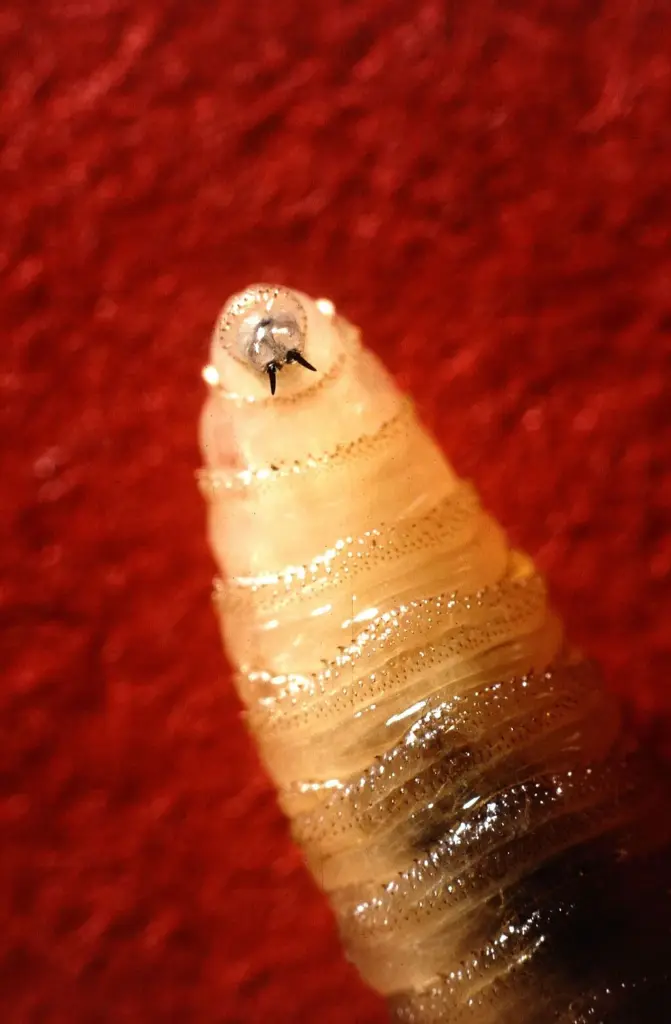
The new world screwworm, Cochliomyia hominivorax, is a parasitic fly known for its devastating effects on livestock, particularly in the southern United States and parts of Central America. Understanding its life cycle and the damage it causes is crucial for agricultural health and livestock management.
Life Cycle and Characteristics
New world screwworms are notorious for their larval stage, when they infest and feed on the living flesh of warm-blooded animals. The female fly lays approximately 200 to 300 eggs in open wounds or mucous membranes. Once the larvae hatch, they burrow into the tissue, leading to severe infections and even death if untreated. The adults are typically about 10-14 mm long with a striking green or blue metallic sheen.
Recent Outbreaks and Control Measures
In recent years, there have been concerted efforts to control the spread of new world screwworms, especially following an outbreak that occurred in the Florida Keys in 2020. This outbreak underscored the potential for devastating impacts on local wildlife and domestic animals. Authorities have used several strategies, including the release of sterile male flies to reduce the mating success and population growth of screwworms. These sustainable pest management strategies offer a way to combat the pest without relying on chemical insecticides, which can harm the environment.
Work on Prevention and Future Outlook
Ongoing research is focused on improving the effectiveness of control methods. Scientists are exploring the genetic modification of screwworms to enhance sterility and reduce their reproductive rate. The potential for improved surveillance and rapid response systems can further help in mitigating outbreaks before they escalate. Farmers and veterinarians are also being educated about prevention measures, such as monitoring livestock for signs of screwworm infestations and prompt treatment of wounds.
Conclusion
The new world screwworm poses significant risks to livestock and wildlife, affecting both agricultural economies and ecosystems. While recent control measures show promise, continued vigilance and research are essential. Farmers, researchers, and policymakers need to collaborate to implement effective strategies that can mitigate the threat posed by this destructive pest, ensuring the health of livestock and agricultural production in affected regions.