Introduction to the KOSPI Index The KOSPI Index, or the Korea Composite Stock Price Index, is a key benchmark of South Korea’s stock market, reflecting the performance of companies listed on the Korea Exchange. Established in 1983, the KOSPI index has become indispensable for investors, analysts, and policymakers, providing insights into the economic performance and
Introduction to the KOSPI Index
The KOSPI Index, or the Korea Composite Stock Price Index, is a key benchmark of South Korea’s stock market, reflecting the performance of companies listed on the Korea Exchange. Established in 1983, the KOSPI index has become indispensable for investors, analysts, and policymakers, providing insights into the economic performance and investor sentiment in South Korea. With the nation being a significant player in the global economy, understanding the KOSPI’s movements is crucial for anyone interested in international finance.
Recent Trends and Developments
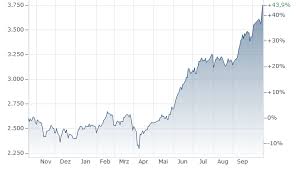
As of October 2023, the KOSPI Index has shown remarkable resilience in light of global economic challenges, including inflation and geopolitical tensions. After a period of volatility in 2022 and early 2023, where stocks faced downward pressure due to rising interest rates and the ongoing ramifications of the COVID-19 pandemic, the KOSPI has rebounded with a year-to-date increase of over 20% by October 2023. Tech-heavy firms such as Samsung Electronics and SK Hynix have particularly driven this resurgence, benefiting from increased demand for semiconductors and consumer electronics.
In September 2023, the KOSPI closed at around 2,555 points, marking a substantial gain influenced by positive earnings reports and a stable economic outlook domestically and in key trading partners such as China and the United States. Experts predict that continued advancements in technology and green energy sectors will support further growth in the index.
Impact on Investors and Economic Forecasts
The performance of the KOSPI Index has significant implications for both local and international investors. A rising index signals a growing confidence in the market and can attract foreign investments, which in turn can boost the South Korean economy. Conversely, a drop in the index may trigger caution among investors, leading to capital outflows.
Looking ahead, analysts forecast that the KOSPI will continue to reflect South Korea’s economic resilience. However, potential challenges remain, such as global supply chain disruptions and fluctuating energy prices. Investors should remain vigilant and consider these factors when devising their strategies.
Conclusion
In summary, the KOSPI Index serves as a barometer for South Korea’s economic health and market sentiment. Its recent performance indicates a recovering economy with positive prospects, but vigilance is necessary given the potential risks ahead. Understanding the trends of the KOSPI is essential for anyone looking to invest in the South Korean market or to gauge the broader economic conditions in East Asia.