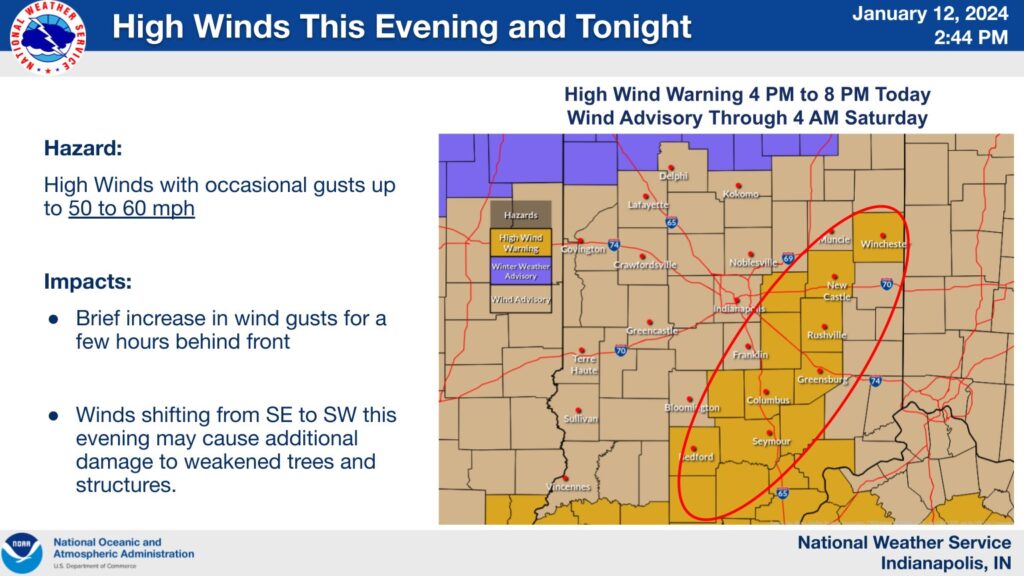
Introduction High wind warnings are issued by meteorological agencies to alert the public about potentially dangerous wind conditions. Such warnings are critical as strong winds can lead to property damage, power outages, and increased risks for outdoor activities. Understanding these warnings can help residents prepare and take necessary precautions to ensure their safety. What Triggers
Introduction
High wind warnings are issued by meteorological agencies to alert the public about potentially dangerous wind conditions. Such warnings are critical as strong winds can lead to property damage, power outages, and increased risks for outdoor activities. Understanding these warnings can help residents prepare and take necessary precautions to ensure their safety.
What Triggers a High Wind Warning?
A high wind warning is typically issued when sustained winds of 40 mph or gusts of 58 mph or greater are expected for a sustained period. These conditions can arise from various weather systems, including severe storms or cold fronts. As the climate changes, instances of extreme weather, including high winds, are becoming more frequent across many regions.
Current High Wind Warnings
As of now, several regions across the United States are under high wind warnings. The National Weather Service (NWS) has reported high wind events in states like California, Texas, and New York. For instance, California’s coastal areas are expected to experience gusts exceeding 65 mph, potentially causing severe delays and hazardous driving conditions. In Texas, high winds are predicted to follow recent storms, threatening power lines and creating debris hazards in urban environments.
Safety Precautions
During a high wind warning, it’s advisable to take certain precautions: 1. Secure outdoor objects: Make sure to bring in or secure all lightweight furniture, decorations, and other outdoor items that may be blown away. 2. Avoid travel: If possible, stay indoors during peak wind conditions to avoid accidents. 3. Stay informed: Keep an eye on weather updates from reliable sources such as the National Weather Service. 4. Prepare for power outages: Charge your electronic devices and have an emergency kit ready with essential supplies that could last several days.
Conclusion
High wind warnings serve a vital role in public safety, providing timely alerts to potential hazards. As climate patterns shift, these warnings may become more common, emphasizing the need for individuals and communities to stay informed and prepared. Understanding how to respond during such alerts can minimize risks and ensure the safety of both people and property. For anyone living in areas prone to high winds, being proactive is key to weathering the storm.