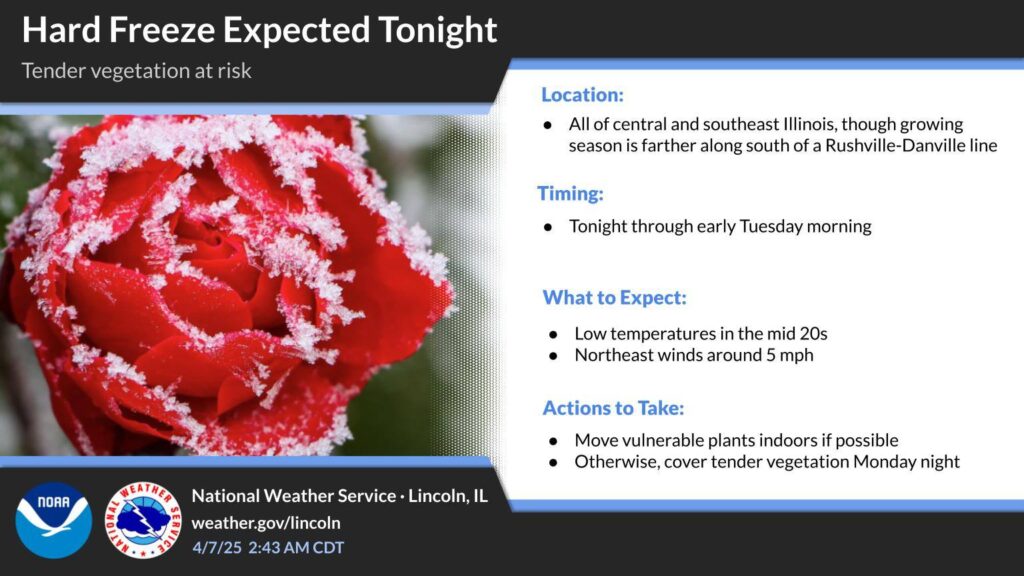
Introduction As winter approaches, weather-related risks increase, making awareness of freeze warnings essential for everyone. A freeze warning indicates that temperatures are expected to drop below freezing, causing frost formation that can severely impact agriculture, infrastructure, and daily activities. The National Weather Service (NWS) issues these warnings to inform the public and help mitigate possible
Introduction
As winter approaches, weather-related risks increase, making awareness of freeze warnings essential for everyone. A freeze warning indicates that temperatures are expected to drop below freezing, causing frost formation that can severely impact agriculture, infrastructure, and daily activities. The National Weather Service (NWS) issues these warnings to inform the public and help mitigate possible damage.
What is a Freeze Warning?
A freeze warning typically indicates that temperatures will fall below 32 degrees Fahrenheit for an extended period, which can endanger crops and sensitive plants. These warnings are particularly critical for farmers and gardeners who may need to take protective measures to preserve their yield. It’s essential to differentiate between a frost advisory and a freeze warning; while frost advisories occur at temperatures near freezing, freeze warnings confirm more severe cold temperatures.
Factors Leading to Freeze Warnings
A number of meteorological factors contribute to the issuance of freeze warnings. Clear skies, calm winds, and a lack of adequate snow cover can lead to rapid heat loss from the Earth’s surface, resulting in significant temperature drops during the night. Additionally, weather systems that bring Arctic air masses into a region can lead to widespread freeze warnings.
Recent Events
In recent weeks, several regions across the U.S. have experienced freeze warnings as temperatures plummeted due to a cold front moving southward. The Midwest and parts of the Northeast faced some of the most noticeable impacts, affecting farmers and requiring them to rush additional protective measures for their crops. Reports from the USDA indicated that Midwestern farmers, in particular, had to blanket fields with protective covers to mitigate frost damage to crops that were still growing late in the season.
Preparedness and Response
Awareness and preparation are key when it comes to freeze warnings. Residents are advised to monitor local weather stations for updates and heed any advice regarding protecting plants and animals. Strategies might include bringing sensitive plants indoors, covering outdoor vegetation, and ensuring pets are kept warm. In addition, infrastructure such as outdoor plumbing should be insulated to prevent freezing.
Conclusion
Freeze warnings play a crucial role in winter preparedness, providing vital information that can aid in preventing crop loss and ensuring public safety. As climate patterns shift, it is increasingly important for residents in susceptible areas to stay informed of weather forecasts and take necessary precautions when freeze warnings are issued. By doing so, individuals can protect their livelihoods and adapt better to the changing climate landscape.