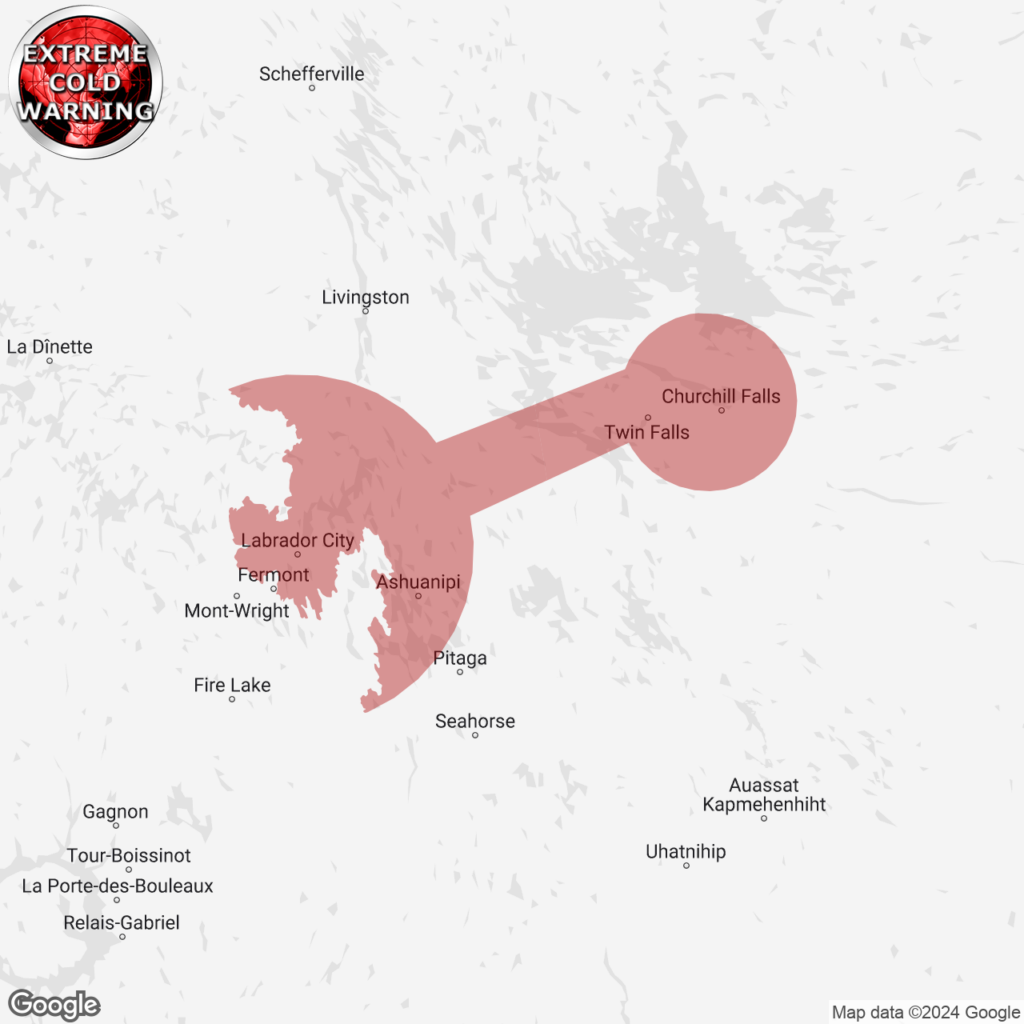
Introduction As winter sets in across the United States, extreme cold warnings are becoming increasingly common. These warnings are crucial for public safety, as severe cold can lead to dangerous conditions including frostbite, hypothermia, and increased heating costs. Understanding the implications of these warnings is essential for safeguarding health and wellbeing during frigid temperatures. Current
Introduction
As winter sets in across the United States, extreme cold warnings are becoming increasingly common. These warnings are crucial for public safety, as severe cold can lead to dangerous conditions including frostbite, hypothermia, and increased heating costs. Understanding the implications of these warnings is essential for safeguarding health and wellbeing during frigid temperatures.
Current Weather Patterns
According to the National Weather Service (NWS), multiple regions are currently under extreme cold warnings, particularly in the Midwest and Northeast. These warnings indicate temperatures plummeting below freezing, often accompanied by wind chill factors that make it feel even colder. In some areas, temperatures are expected to drop to single digits or even lower, prompting officials to issue alerts to prepare the public for the impending cold snap.
Health Risks and Precautions
Extreme cold poses significant health risks. The NWS emphasizes that exposure to cold temperatures can lead to frostbite within minutes, particularly on exposed skin. Hypothermia is another critical risk, which can occur when body temperature drops significantly. Officials are advising individuals to limit exposure to the cold, wear multiple layers of clothing, and cover extremities such as hands and feet. It’s also important for the elderly and those with certain health conditions to take extra precautions, as they are particularly vulnerable to cold-related illnesses.
Impact on Infrastructure
In addition to health risks, extreme cold warnings can also impact infrastructure. Schools may delay openings or cancel classes, transportation services might be disrupted, and power outages can occur due to increased demand for heating. The NWS is urging residents to prepare their homes by ensuring that heating systems are functioning properly and to stock up on food and other necessities in the event of severe weather-related disruptions.
Conclusion
As extreme cold warnings continue to affect various parts of the country, it is vital for the public to stay informed and prepared. By heeding these warnings, taking necessary precautions, and staying updated with local news and weather reports, individuals can mitigate health risks and ensure their safety during harsh winter conditions. The importance of community awareness and individual responsibility cannot be overstated in the face of winter’s icy challenges.