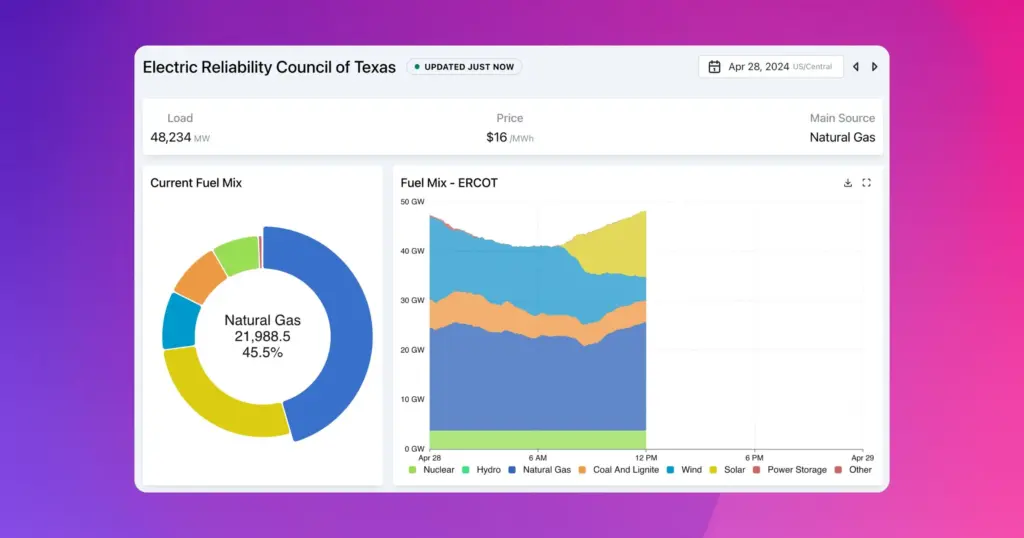
Introduction to ERCOT The Electric Reliability Council of Texas (ERCOT) plays a critical role in the management of the state’s electricity grid. Serving over 26 million customers, ERCOT is responsible for ensuring the reliability and stability of electrical supply across Texas. Much has been said about ERCOT in recent years, especially in light of severe
Introduction to ERCOT
The Electric Reliability Council of Texas (ERCOT) plays a critical role in the management of the state’s electricity grid. Serving over 26 million customers, ERCOT is responsible for ensuring the reliability and stability of electrical supply across Texas. Much has been said about ERCOT in recent years, especially in light of severe weather events and energy supply challenges. Understanding ERCOT’s functions and responsibilities is fundamental to grasping the dynamics of Texas’s energy landscape.
ERCOT’s Functions and Responsibilities
ERCOT operates the electrical grid for approximately 90% of Texas, making it unique among U.S. states that typically rely on federal oversight. One of its primary responsibilities is to balance electricity supply and demand in real-time. ERCOT manages generation resources, schedules outages, and coordinates the overall operation of the grid. It also administers the state’s energy market, overseeing transactions and pricing that impact energy providers and consumers alike.
Recent Events and Challenges
ERCOT gained national attention during the winter storm in February 2021, which exposed vulnerabilities in the state’s electrical infrastructure. The extreme cold caused widespread failures in generation sources, leaving millions without power for days and leading to significant economic and human costs. Following this crisis, ERCOT implemented several reforms, including improved weatherization requirements for power plants and enhanced communication protocols to keep consumers informed during emergencies.
The Future of ERCOT
As Texas continues to grow and transition to renewable energy sources, ERCOT faces new challenges and opportunities. The increasing reliance on wind and solar power introduces variability that must be managed effectively to maintain grid stability. Critics also argue for more stringent regulations and oversight, advocating for a system that protects consumers from the impacts of market volatility. As Texas navigates its energy future, ERCOT’s role will be pivotal, requiring a balance between innovation and reliability.
Conclusion
ERCOT is at the forefront of Texas’s energy management and plays an essential role in ensuring electricity availability and reliability. As the state works to modernize its energy infrastructure and increase its use of renewable resources, ERCOT must adapt to new challenges while maintaining its core responsibilities. For Texas residents, understanding ERCOT and its impact on the energy market is crucial as the state continues its path toward a more resilient and diverse energy future.