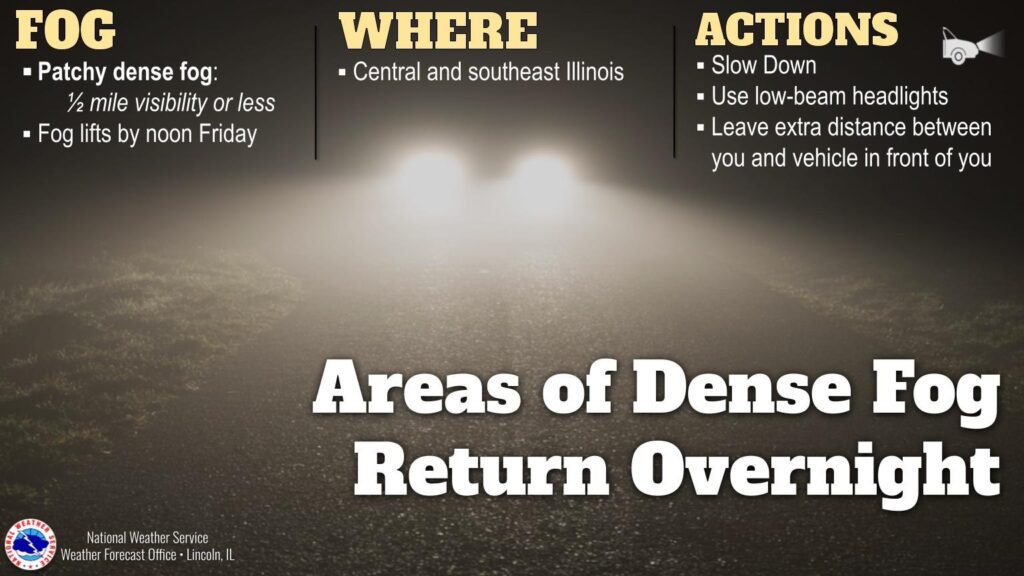
Introduction to Dense Fog Advisory As winter progresses, the phenomenon of dense fog becomes increasingly common in various regions across the United States. A dense fog advisory is issued by the National Weather Service to warn residents of reduced visibility, which can pose significant hazards for travelers and pedestrians alike. Recognizing the importance of these
Introduction to Dense Fog Advisory
As winter progresses, the phenomenon of dense fog becomes increasingly common in various regions across the United States. A dense fog advisory is issued by the National Weather Service to warn residents of reduced visibility, which can pose significant hazards for travelers and pedestrians alike. Recognizing the importance of these advisories is crucial for maintaining safety in affected areas.
What is a Dense Fog Advisory?
A dense fog advisory is typically issued when visibility is reduced to less than one-quarter mile due to fog. This can lead to dangerous travel conditions, increases the likelihood of vehicle accidents, and requires that drivers adopt additional caution. These advisories can come on suddenly and often depend on localized weather conditions, making it essential for individuals in regions prone to fog to stay informed.
Causes and Effects of Dense Fog
Fog forms when water vapor condenses into tiny liquid water droplets suspended in the air, often happening during calm, moist conditions at night or early morning. Factors such as temperature inversions, high humidity, or wind patterns can contribute to the development of dense fog. During the recent cold snap experienced across parts of the Midwest, for instance, several states issued fog advisories, leading to complications in morning commutes and increased accident rates on highways due to sudden visibility reduction.
Staying Safe During a Dense Fog Advisory
During a dense fog advisory, it is crucial for drivers to take the following precautions:
- Reduce speed: Drive slower than the posted speed limits and maintain a greater distance from the vehicle in front.
- Use low beam headlights: High beams can scatter light and worsen visibility, so use low beams instead.
- Avoid sudden maneuvers: Keep steering and acceleration steady to prevent accidents.
Furthermore, pedestrians and cyclists should remain vigilant and visible by using reflective clothing, and should avoid walking or biking alone in areas with heavy fog.
Conclusion and Future Outlook
Dense fog advisories are critical alerts that help ensure public safety in conditions where visibility can drop dramatically. By understanding the implications of these advisories and implementing recommended safety measures, individuals can significantly reduce risks associated with foggy conditions. As climate patterns continue to evolve, the frequency and severity of fog may increase, making it increasingly important for communities to prepare and respond appropriately to fog advisories in the future.