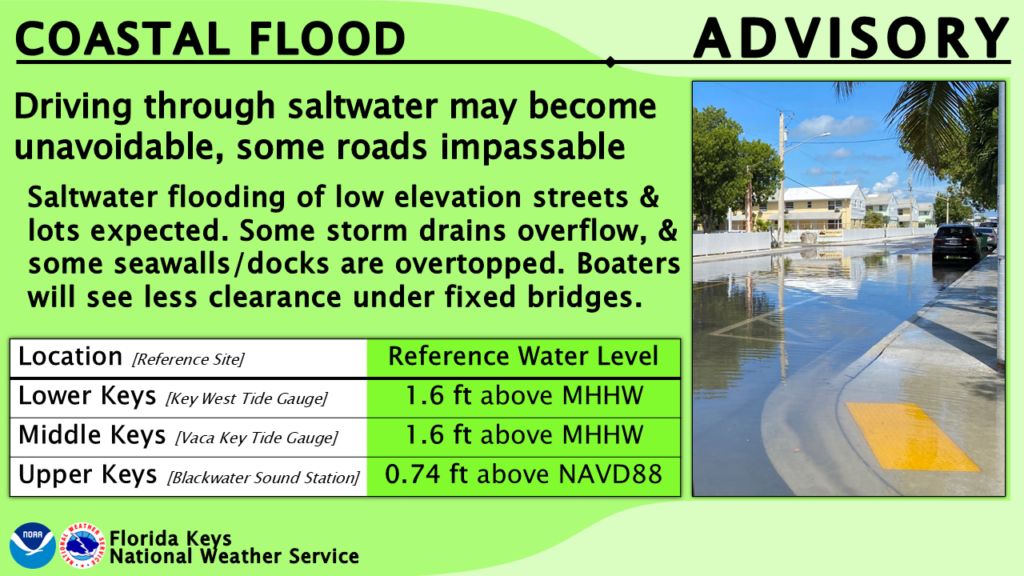
Introduction As climate change continues to intensify extreme weather patterns, coastal flood advisories have become increasingly critical. These warnings help safeguard lives and property along vulnerable coastlines. They alert residents and local governments to prepare for potential flooding, which can disrupt everyday life, cause economic loss, and pose significant threats to safety. The Current Situation
Introduction
As climate change continues to intensify extreme weather patterns, coastal flood advisories have become increasingly critical. These warnings help safeguard lives and property along vulnerable coastlines. They alert residents and local governments to prepare for potential flooding, which can disrupt everyday life, cause economic loss, and pose significant threats to safety.
The Current Situation
Recently, coastal areas in the southeastern United States have been under flood advisories triggered by heavy rainfall and high tides. The National Weather Service issued specific advisories for counties from Florida to North Carolina as a stalled weather system maintains intense moisture over these regions.
On October 15, 2023, NASA reported that several coastal cities, including Miami and Charleston, are experiencing unprecedented flooding, worsened by the fall king tides—periodic high tides that cause water levels to rise above average. Citizens have been urged to avoid flooded areas and are advised to elevate property where possible.
Impact on Communities
The implications of these advisories are significant. Local authorities have activated emergency response plans, dispatching teams to help clear streets, provide assistance, and communicate safety instructions. Schools in affected areas have shifted to remote learning to ensure student safety.
Economically, businesses near the coast are feeling the effects as customers stay home during periods of heavy rainfall. The tourist season, which many beachside towns rely on, may also suffer as ongoing flooding could deter visitors.
Long-term Considerations
Experts warn that without proactive adaptive measures, we will see an increase in the frequency and intensity of coastal flood advisories due to rising sea levels. Urban planners are now more than ever factoring in climate resilience into their developments, aiming to minimize the impact of future flood events. The use of natural barriers, improved drainage systems, and sustainable infrastructure are pivotal strategies being discussed in community forums.
Conclusion
In conclusion, coastal flood advisories play a vital role in public safety and emergency management, especially in a changing climate. Residents must stay informed and heed these warnings to ensure their safety and that of their community. Preparations and planning for future floods are essential as weather patterns evolve and pose new challenges. By raising awareness and implementing strategic initiatives, we can mitigate the effects of coastal flooding and protect vulnerable communities moving forward.