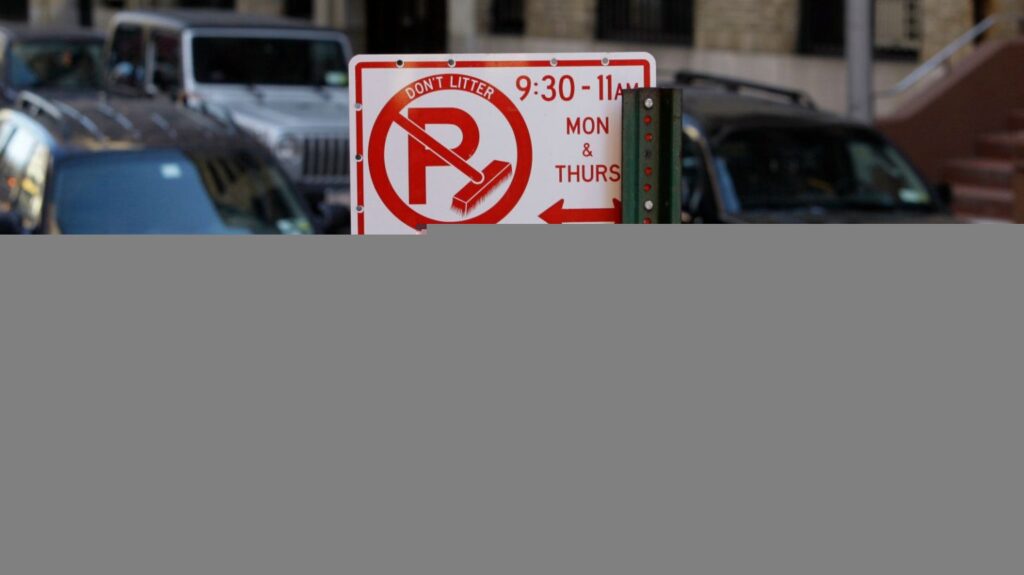
Introduction to Alternate Side Parking Alternate side parking (ASP) regulations in New York City are an essential part of the city’s traffic management and street cleaning efforts. These rules, which require vehicles to be moved on specific days and times, are designed to facilitate street maintenance, improve air quality, and ensure public safety. Understanding these
Introduction to Alternate Side Parking
Alternate side parking (ASP) regulations in New York City are an essential part of the city’s traffic management and street cleaning efforts. These rules, which require vehicles to be moved on specific days and times, are designed to facilitate street maintenance, improve air quality, and ensure public safety. Understanding these regulations is crucial for drivers and residents alike, as violations can result in hefty fines and inconvenience.
How Alternate Side Parking Works
ASP regulations are enforced across many neighborhoods in NYC, typically during designated hours. On scheduled days, vehicles must be moved to allow city sanitation crews to clean the streets. The schedule varies based on the specific street and may change due to holidays or special events. Information about ASP rules can be found on the NYC Department of Transportation (DOT) website or through street signs posted in neighborhoods.
In many areas, ASP is in effect from 8:00 am to 11:00 am on specified days, but this can differ depending on the street. It is essential for residents and visitors to check local signage to avoid fines, which can range from $45 to $100 or more, depending on the violation.
Recent Changes and Community Impact
In response to the COVID-19 pandemic, the NYC government implemented temporary changes to ASP regulations to reduce street cleaning and the need for vehicle movement during lockdowns. As the city continues to recover, regular ASP enforcement has been reinstated in many areas. Additionally, certain neighborhoods have experimented with different ASP schedules to meet community needs better, prompting discussions about the potential for permanent changes based on community feedback.
Conclusion and Significance
For NYC residents, understanding alternate side parking is vital for avoiding tickets and contributing to the cleanliness and orderliness of the city. As ASP regulations continue to evolve in response to both community needs and environmental concerns, staying informed about these rules will remain crucial. Residents should keep an eye on local announcements and consider participating in community meetings regarding parking policies. Observing ASP regulations not only helps maintain clean streets but also enhances the overall quality of life for those living and working in New York City.