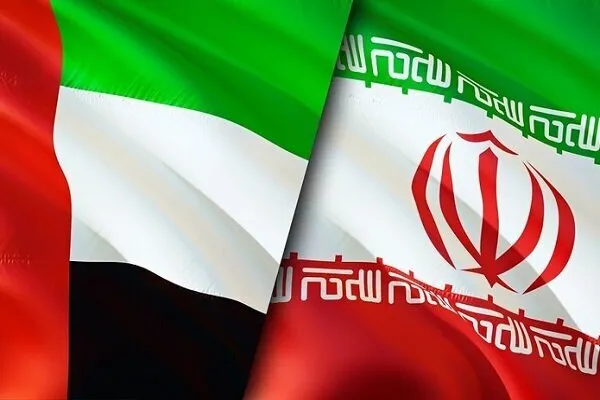
The UAE experienced its first major attack since a ceasefire with Iran, raising alarms about regional stability. This incident has far-reaching implications for US-Iran relations and Gulf Cooperation Council dynamics.
The UAE faced its first significant attack since a recent ceasefire, raising concerns about escalating tensions in the Gulf region. On May 5, 2026, a drone attack from Iran targeted the Fujairah Petroleum Industries Zone, resulting in a large fire and injuries to three Indian nationals.
Before this incident, expectations for stability had risen following a ceasefire between Iran and the US on April 8. The Gulf Cooperation Council members had anticipated a period of reduced hostilities, fostering hopes for improved US-Iran relations.
However, the situation shifted dramatically when the UAE intercepted 12 ballistic missiles, four drones, and three cruise missiles launched towards its territory. Emergency alerts were issued across the UAE, urging residents to seek shelter as the Iranian military claimed it had no plans to target the UAE.
This direct assault has profound implications for regional security. The UAE condemned the attacks as a dangerous escalation and a violation of international law, emphasizing that such actions threaten maritime navigation in the Strait of Hormuz—a critical passageway for global oil shipments.
Condemnation poured in from neighboring countries. Saudi Arabia, Qatar, Kuwait, Bahrain, and Jordan expressed their disapproval of Iran’s strikes. Their unified stance reflects a broader concern within the Gulf Cooperation Council about Iranian aggression.
Experts highlight that this incident may alter how nations approach their defense strategies in the region. With 549 ballistic missiles and 2,260 unmanned aerial vehicles engaged by air defenses since Iranian strikes began, it raises questions about preparedness and response capabilities.
The UAE’s Ministry of Education announced a shift to distance learning for five days due to the heightened security situation. This decision underscores how deeply these geopolitical tensions can affect daily life.
As nations assess their next steps, one thing is clear: this latest attack marks a significant turning point in the ongoing conflict between Iran and its neighbors. The ramifications will likely influence diplomatic efforts moving forward.