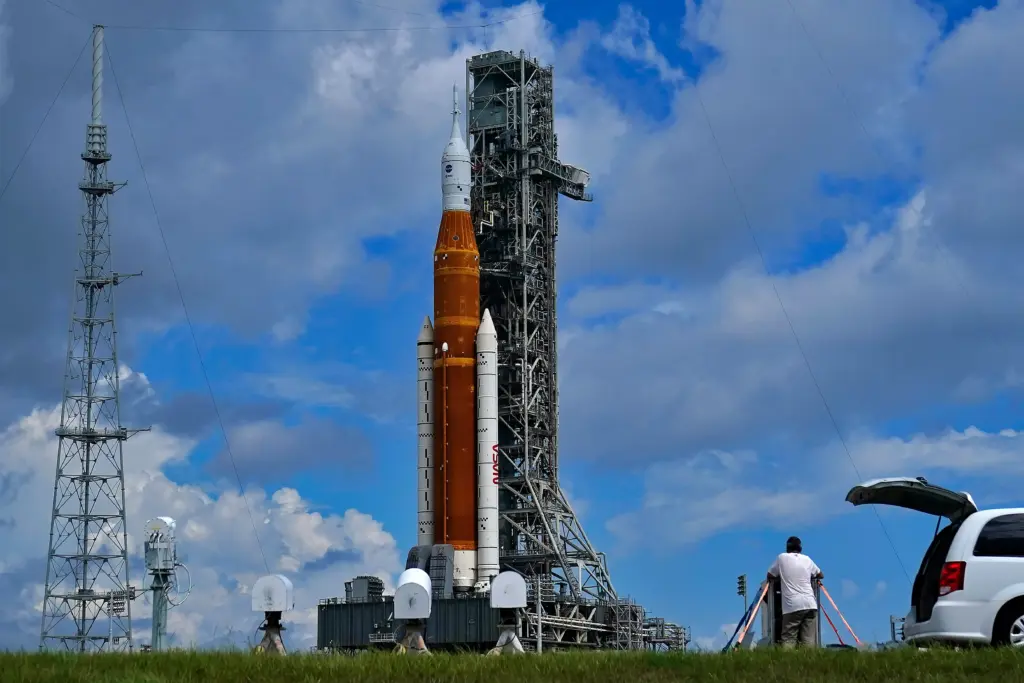
Introduction The NASA Artemis rocket launch represents a significant milestone in space exploration, marking a pivotal step towards humanity’s return to the Moon. With goals set on lunar exploration, the Artemis program aims to establish a sustainable presence on the Moon by the late 2020s, paving the way for future Mars missions. This ambitious initiative
Introduction
The NASA Artemis rocket launch represents a significant milestone in space exploration, marking a pivotal step towards humanity’s return to the Moon. With goals set on lunar exploration, the Artemis program aims to establish a sustainable presence on the Moon by the late 2020s, paving the way for future Mars missions. This ambitious initiative is not only vital for advancements in space technology but also plays a crucial role in international collaboration in space research.
Details of the Artemis Launch
The Artemis I mission, which took place on November 16, 2022, was the first uncrewed flight of the Space Launch System (SLS) rocket and the Orion spacecraft. This historic launch was postponed several times due to technical challenges and adverse weather conditions. The SLS, designed to be the most powerful rocket ever built, successfully propelled Orion on a journey around the Moon before returning safely to Earth. Subsequent missions, Artemis II and III, are set to include astronauts, with Artemis III targeting a landing on the lunar South Pole.
Technological Innovations
The Artemis program is fostering advancements in technology that will have lasting impacts beyond lunar exploration. The SLS rocket features innovative propulsion systems and harnesses lessons learned from previous missions, including the Space Shuttle program. Additionally, the Orion spacecraft is equipped with cutting-edge navigation and life-support systems, ensuring the safety and success of the astronauts aboard.
International Collaboration and Future Implications
NASA collaborates with international partners, including the European Space Agency (ESA), which provided the service module for Orion. This cooperation underscores the collective effort in the quest for knowledge and scientific discovery. The lessons learned from Artemis missions will not only contribute to lunar exploration but also inform future manned missions to Mars, advancing our understanding of the solar system.
Conclusion
The successful launch of the NASA Artemis rocket symbolizes a monumental moment in space exploration history and has far-reaching implications for future endeavors. As we look towards the next phases of the Artemis program, the expectations are high that these missions will revitalize interest in human spaceflight and foster innovation in technology. With plans for a sustained lunar presence and subsequent missions to Mars, the Artemis program continues to inspire a new generation of explorers and scientists.