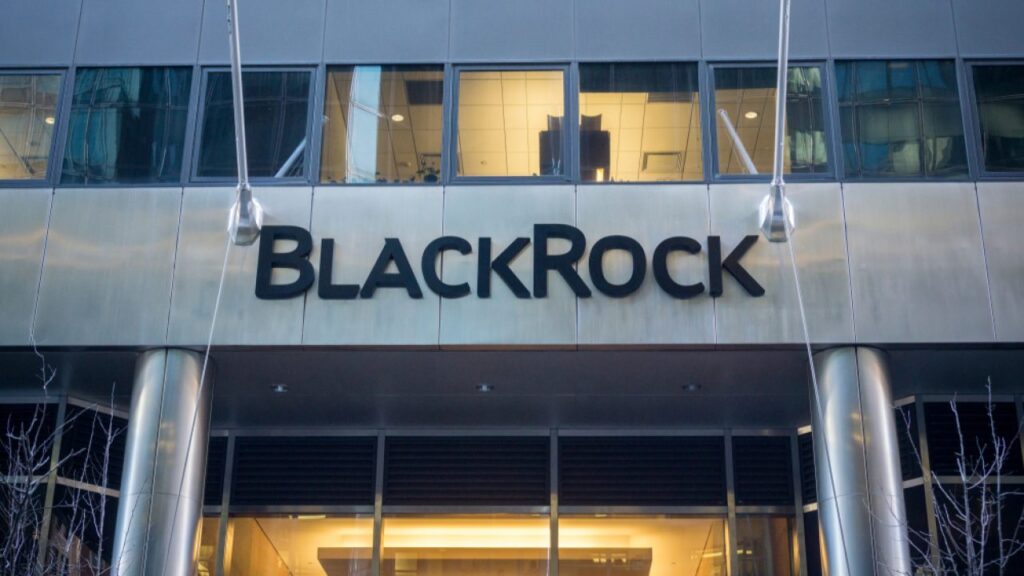
Introduction BlackRock, Inc., the world’s largest asset manager, has significantly influenced global financial markets. Founded in 1988, BlackRock currently manages over $9 trillion in assets, making it a pivotal player in investment management and financial strategy globally. Understanding its operations is crucial for investors, policymakers, and anyone interested in the economic landscape. BlackRock’s Growth and
Introduction
BlackRock, Inc., the world’s largest asset manager, has significantly influenced global financial markets.
Founded in 1988, BlackRock currently manages over $9 trillion in assets, making it a pivotal player in investment management and financial strategy globally. Understanding its operations is crucial for investors, policymakers, and anyone interested in the economic landscape.
BlackRock’s Growth and Impact
Over the past few decades, BlackRock has expanded rapidly through a combination of strategic acquisitions and organic growth. It acquired firms like Merrill Lynch Investment Managers in 2006 and BGI in 2009, which contributed to its growth and diversified its investment offerings.
With its robust range of investment products, including exchange-traded funds (ETFs) like iShares, BlackRock has increased accessibility to markets for both individual and institutional investors. Notably, its Aladdin platform has redefined risk management and analytics in investment, providing critical insights for clients.
BlackRock’s Corporate Responsibility
Beyond asset management, BlackRock has also taken on a significant role in advocating for sustainable investing. Under the leadership of CEO Larry Fink, the company has emphasized the importance of environmental, social, and governance (ESG) criteria in investing, urging corporations to focus on long-term sustainability. In its 2022 letter to CEOs, Fink stated, “sustainability is not a niche; it is the main agenda for the coming years.” This has prompted other companies to adopt similar practices, indicating BlackRock’s widespread influence.
Challenges Ahead
However, BlackRock faces several challenges, including increased regulatory scrutiny due to its size and influence. Critics argue that its dominant position in the market poses systemic risks. Additionally, the transition to sustainable investing may also encounter setbacks as companies struggle to align their practices with ESG standards. As of 2023, political pressures related to investment tactics and environmental concerns continue to mount.
Conclusion
BlackRock’s dominance in the finance sector has made it a key player in shaping economic standards and practices worldwide. Its focus on sustainable investment reflects a larger trend in global finance, urging other corporations to follow suit. As the company navigates the complex landscape of investment management, its future strategies will have lasting impacts not only on financial markets but also on corporate governance and sustainability initiatives. Stakeholders should keep a close eye on BlackRock’s developments, as they can foresee trends that may redefine investing in the coming years.