Introduction Ali Khamenei, the Supreme Leader of Iran since 1989, plays a pivotal role in shaping the nation’s political landscape, religious affairs, and foreign policy. Understanding his leadership is essential for grasping the complexities of Iran today, especially as the country deals with internal challenges and international relations. Background Born on July 17, 1939, Khamenei
Introduction
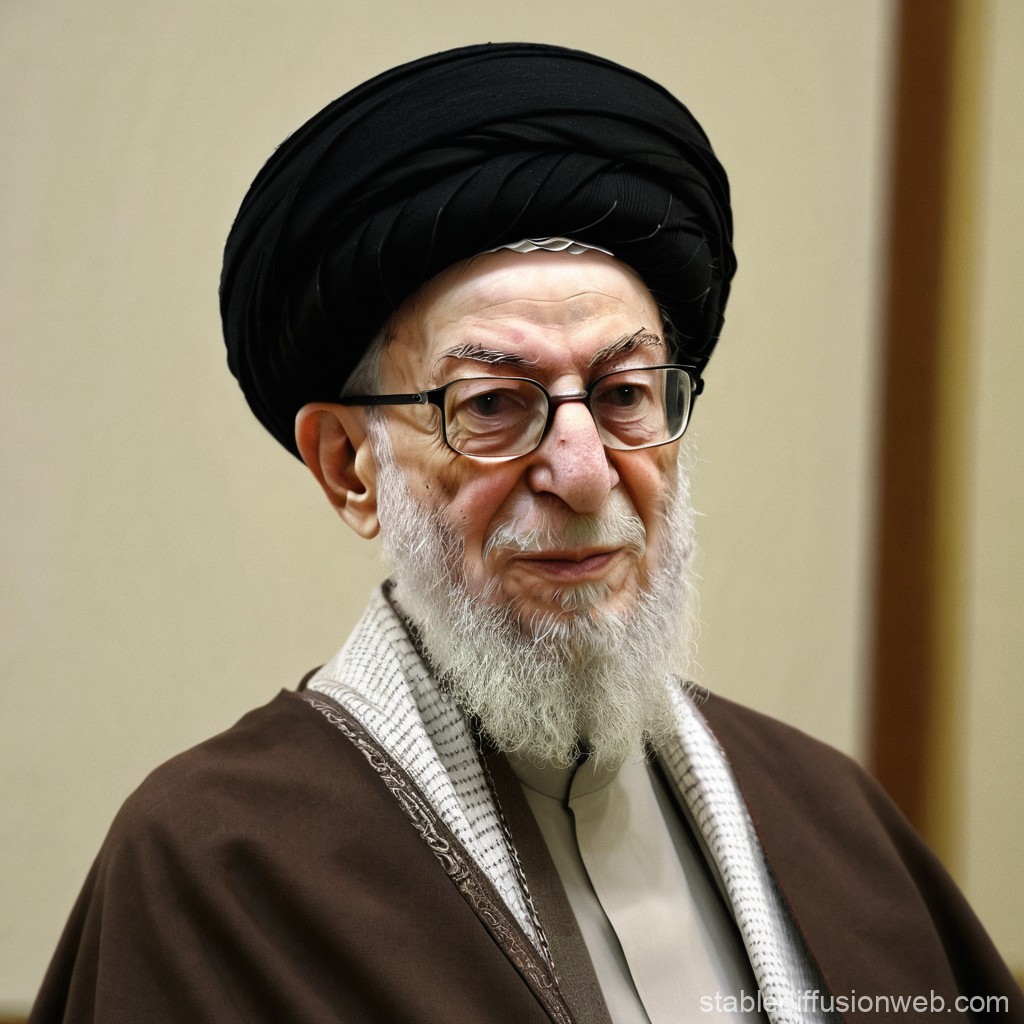
Ali Khamenei, the Supreme Leader of Iran since 1989, plays a pivotal role in shaping the nation’s political landscape, religious affairs, and foreign policy. Understanding his leadership is essential for grasping the complexities of Iran today, especially as the country deals with internal challenges and international relations.
Background
Born on July 17, 1939, Khamenei has been a prominent figure in Iranian politics for decades. He initially served as a soldier in the Iranian Revolution of 1979, which created the Islamic Republic. Following the death of Ayatollah Khomeini, Khamenei was appointed as the Supreme Leader, a position that merges both political and religious powers, making him one of the world’s most influential leaders.
Khamenei’s Political Influence
In recent years, Khamenei’s influence has been challenged by widespread protests against economic hardship, government corruption, and social restrictions. Despite this, he has maintained a firm grip on the military and security forces through entities like the Islamic Revolutionary Guard Corps (IRGC). His speeches often reflect a commitment to the Islamic Revolution’s ideals, emphasizing anti-Western sentiment and promoting Iran’s role as a regional power.
International Relations
Under Khamenei’s leadership, Iran has navigated complex relationships with other nations, particularly regarding its nuclear program. The 2015 Joint Comprehensive Plan of Action (JCPOA) marked a significant moment in Iran’s engagement with the West, but Khamenei has consistently articulated a cautious approach to negotiations, reflecting deep-seated suspicions of U.S. intentions.
Moreover, tensions with neighboring countries and global powers, especially Israel and the United States, have escalated significantly during his tenure. Recently, his rhetoric surrounding the Israeli-Palestinian conflict has intensified amidst ongoing violence, suggesting that Khamenei remains a key player in Middle Eastern geopolitics.
Conclusion
As Khamenei continues to lead Iran through complex challenges, his role as a political and religious leader becomes ever more significant. Observers of Iranian politics must consider his influence on future domestic stability and international relations. As protests and economic difficulties persist, Khamenei’s responses will shape not only Iran’s future but also its position on the global stage.