Introduction The emergence of artificial intelligence in recent years has transformed various fields, including art and design. One of the most surprising and intriguing trends to arise is the ChatGPT caricature trend, which captures the whimsy of AI-generated art through humorous and exaggerated portraits. This trend is not just a fleeting fad; it reflects a
Introduction
The emergence of artificial intelligence in recent years has transformed various fields, including art and design. One of the most surprising and intriguing trends to arise is the ChatGPT caricature trend, which captures the whimsy of AI-generated art through humorous and exaggerated portraits. This trend is not just a fleeting fad; it reflects a growing interest in AI’s capabilities in creative expression and its role in digital culture.
The Trend Unveiled
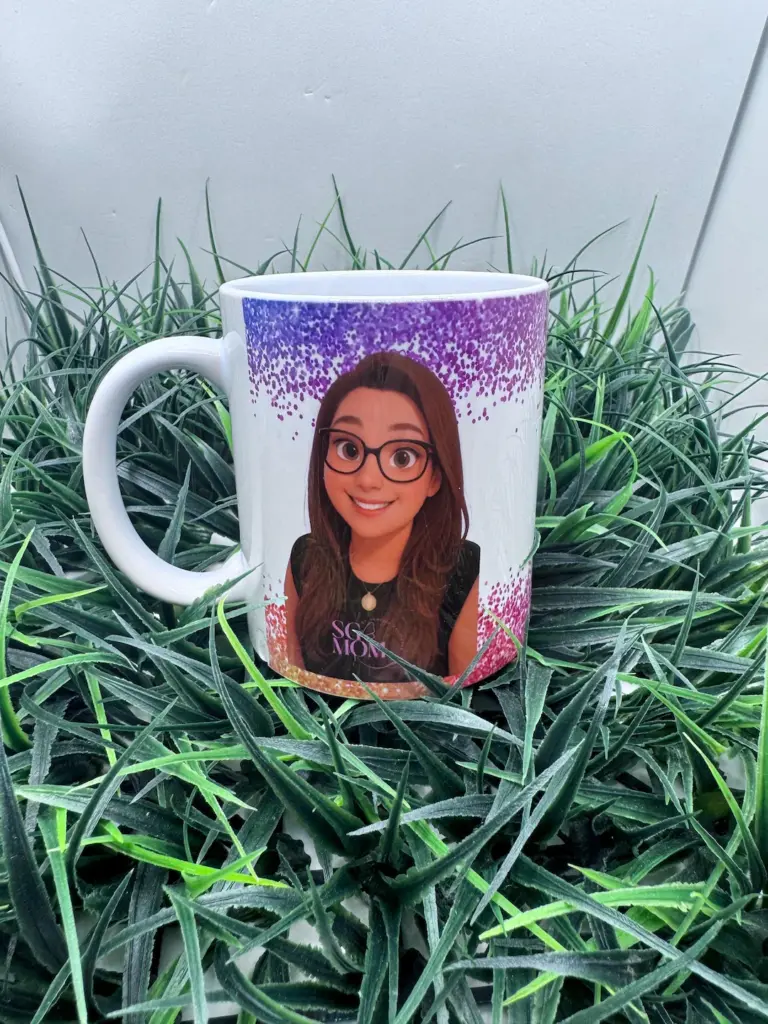
As platforms like OpenAI’s ChatGPT have made AI tools more accessible, users have ventured into using these technologies to create caricatures, or exaggerated depictions of subjects, that blend humor with artistry. Artists and non-artists alike are utilizing AI to generate these playful caricatures based on prompts or modified selfies, resulting in unique and often hilarious interpretations of themselves and others.
Social media platforms, particularly Instagram and TikTok, have seen a surge in posts featuring these caricatures, attracting audiences and driving the trend further. Artists are also sharing videos that demonstrate the process of creating caricatures using ChatGPT, explaining how they incorporate unique features of the technology to enhance their artworks.
Significance of the Trend
This trend highlights a broader movement towards the democratization of art creation. By utilizing AI, a wider range of individuals can express their creativity without the need for traditional artistic skills. Additionally, it fosters an appreciation for digital art forms and encourages participation from diverse demographics. Some artists have even started to blend their traditional skills with AI, creating hybrids of digital and manual art forms.
However, this trend also raises questions about copyright, originality, and the role of human creativity in art. Are AI-generated caricatures merely imitations, or do they represent a new frontier in artistic expression? Discussions around the ethical implications of AI in creative industries will surely shape the direction of this trend moving forward.
Conclusion
As we continue to navigate through this digital age, the ChatGPT caricature trend serves as a microcosm of larger discussions concerning technology’s influence on creativity. It showcases the potential for AI to inspire new forms of art while also prompting important conversations around authenticity and originality. Whether you’re an artist, content creator, or simply a fan of the arts, keeping an eye on this trend will be essential as it evolves, possibly paving the way for future advancements in the interplay between technology and creativity.