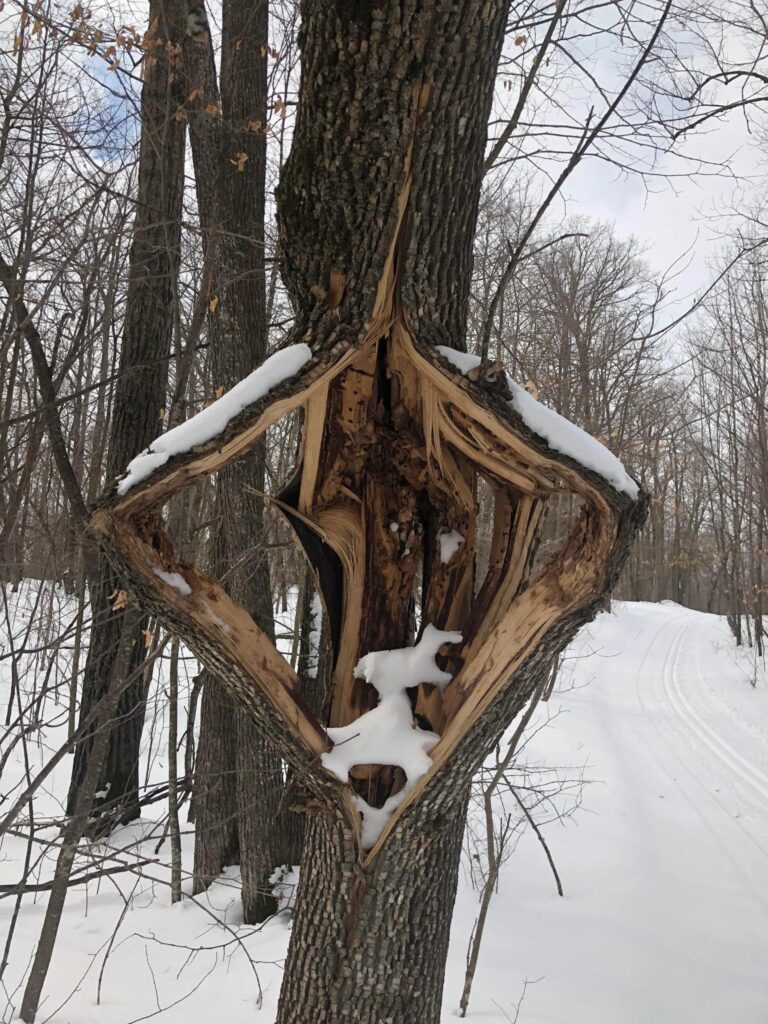
Introduction Recently, reports have emerged about trees exploding due to extreme cold temperatures, a phenomenon that has both ecological and aesthetic implications. As climate patterns shift and weather events become more unpredictable, understanding these occurrences has become increasingly important for both forest conservationists and the general public. This article explores the causes, events, and consequences
Introduction
Recently, reports have emerged about trees exploding due to extreme cold temperatures, a phenomenon that has both ecological and aesthetic implications. As climate patterns shift and weather events become more unpredictable, understanding these occurrences has become increasingly important for both forest conservationists and the general public. This article explores the causes, events, and consequences of trees that explode from cold.
What Causes Trees to Explode?
The phenomenon is primarily attributed to the rapid freezing of moisture inside the tree’s cells. During severe cold spells, particularly when followed by a quick thaw, the moisture expands as it freezes, creating pressure within the cell walls. If this pressure exceeds the structural limits of the tree, it can lead to the rupture of the bark or even the tree trunk, resembling an explosion.
Recent Events
Incidents of trees exploding have been gaining attention in various regions of the United States, especially in the Midwest, where polar vortex events have dropped temperatures to drastic lows. For instance, in January 2023, many communities reported fallen trees and significant damage due to this cold-related phenomenon. Reports from Pennsylvania and Ohio noted widespread tree damage and aesthetic destruction across parks and forests, spurring local authorities to assess and manage the situation.
The Ecological Impact
Beyond the immediate visual impact, the explosion of trees can lead to long-term ecological consequences. Trees are vital to their ecosystems; they provide habitat for wildlife, contribute to soil stability, and play a crucial role in CO2 absorption. The loss of these trees can lead to forest fragmentation, increased soil erosion, and reduced habitat availability for various species. Furthermore, the impact on local economies that rely on forestry and tourism can be profound, necessitating a reevaluation of forest management practices in light of such extreme weather.
Conclusion
The occurrence of trees exploding from cold serves as a stark reminder of the vulnerability of our natural environments to extreme weather caused by climate change. It underscores the need for further research and awareness regarding the effects of severe temperature fluctuations on trees and ecosystems. As extreme weather becomes more commonplace, communities should implement proactive measures to monitor tree health and invest in sustainable forestry practices to mitigate future outbreaks of this concerning phenomenon. By staying informed, we can better prepare our forests to withstand the stresses of an evolving climate.