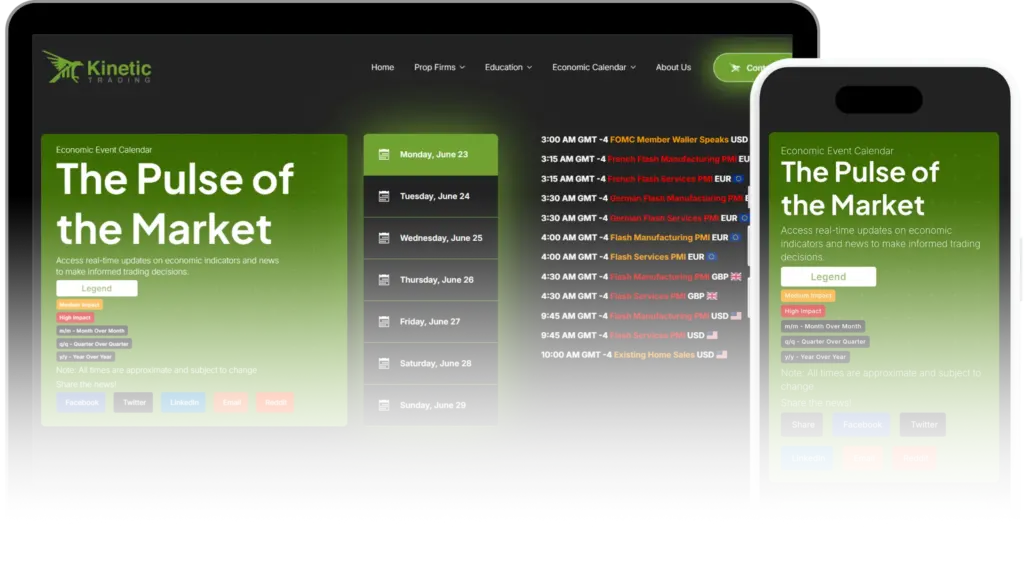
Introduction The economic calendar is an essential tool that provides investors, businesses, and economists with a schedule of key economic events and data releases. Understanding this calendar is crucial as it helps in predicting market movements, making investment decisions, and analyzing economic trends. In today’s volatile financial market, staying updated on economic events can provide
Introduction
The economic calendar is an essential tool that provides investors, businesses, and economists with a schedule of key economic events and data releases. Understanding this calendar is crucial as it helps in predicting market movements, making investment decisions, and analyzing economic trends. In today’s volatile financial market, staying updated on economic events can provide a significant edge.
What is an Economic Calendar?
An economic calendar is a schedule that lists anticipated economic announcements and reports, such as GDP growth rates, unemployment figures, inflation statistics, and central bank meetings. These events are significant because they can have immediate and long-lasting effects on markets and economies around the world. For example, a surprise dip in employment numbers can lead to stock market declines, while positive GDP growth can boost investor confidence.
Key Components of the Economic Calendar
The economic calendar typically includes several critical data points:
- GDP Releases: Gross Domestic Product data provides insights into the economic performance of a country.
- Employment Reports: Information on job creation and unemployment rates influences central bank policies.
- Inflation Data: Consumer Price Index (CPI) and Producer Price Index (PPI) numbers signal inflation trends.
- Central Bank Meetings: Decisions made by entities like the Federal Reserve can lead to significant market shifts.
- Consumer Sentiment: Surveys that measure consumer confidence can predict spending behaviors.
Recent Trends and Events
In recent months, the economic calendar has been particularly closely watched due to increasing inflation rates and anticipated interest rate hikes. Analysts have noted that the September 2023 Consumer Price Index (CPI) report indicated a surprising uptick in inflation, prompting speculation about forthcoming Fed policy changes. Additionally, the upcoming GDP release scheduled for October 2023 is expected to shed light on economic growth, with projections suggesting a modest slowdown.
Conclusion
For investors and economic strategists, the economic calendar is not just a list of dates—it is a vital forecasting tool. Staying informed about key economic events allows stakeholders to make proactive decisions related to investments, market strategies, and business planning. As we move forward, the ability to interpret and react to economic data becomes increasingly significant in navigating the complexities of the modern financial landscape.