Introduction Penguins, a beloved species known for their unique waddles and charming personalities, continue to be threatened by climate change, habitat loss, and pollution. As a barometer for ocean health, the decline of penguin populations signals crucial environmental issues that necessitate immediate action. Understanding the current status of these remarkable birds and the ongoing conservation
Introduction
Penguins, a beloved species known for their unique waddles and charming personalities, continue to be threatened by climate change, habitat loss, and pollution. As a barometer for ocean health, the decline of penguin populations signals crucial environmental issues that necessitate immediate action. Understanding the current status of these remarkable birds and the ongoing conservation efforts is vital in protecting them for future generations.
Current Status of Penguin Populations
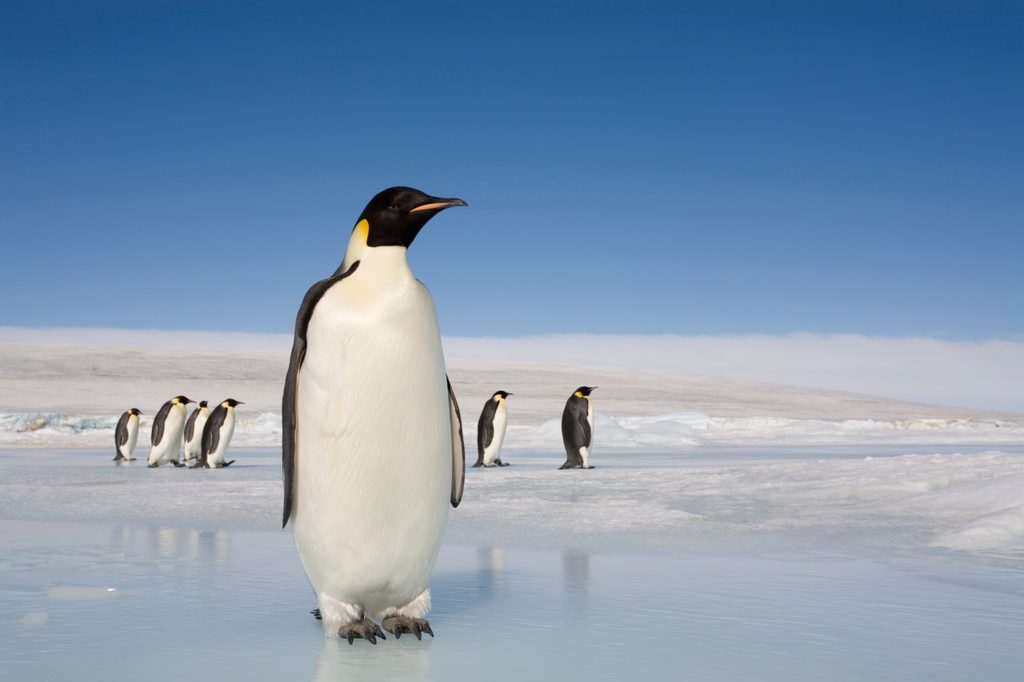
Recent studies have shown alarming trends in penguin populations around the globe. The International Union for Conservation of Nature (IUCN) reports that nearly half of all penguin species are classified as threatened or endangered. For instance, the African penguin’s population has decreased by more than 60% over the past 30 years largely due to overfishing, oil spills, and habitat destruction. The Antarctic penguin species, including the Emperor and Adélie penguins, are also facing challenges as their sea ice habitats diminish due to rising temperatures.
Conservation Efforts Underway
In response to these threats, various organizations and researchers are ramping up conservation efforts globally. The Penguin Conservation Initiative, for example, focuses on habitat protection, breeding programs, and educating communities about the importance of penguins and their ecosystems. In South Africa, volunteers are rescuing African penguins involved in oil spills and rehabilitating them to return to the wild.
Furthermore, researchers are studying penguin behavior in relation to climate change to devise effective measures for protecting their habitats. Key initiatives include tracking population trends, monitoring feeding habits, and assessing the impact of temperature changes on breeding and chick survival rates. Initiatives like these are crucial for informing policy changes and broader environmental protections.
Conclusion
As we move forward, the resilience of penguin populations will largely depend on concerted global efforts to address climate change and preserve their habitats. By raising awareness and supporting conservation initiatives, we can protect these iconic birds and ensure their survival. As individual actions, such as reducing plastic use and supporting sustainable fishing practices, grow in importance, communities and policymakers must prioritize the health of our oceans. The future of penguins—and our planet—relies on our willingness to act and advocate for these remarkable species now.