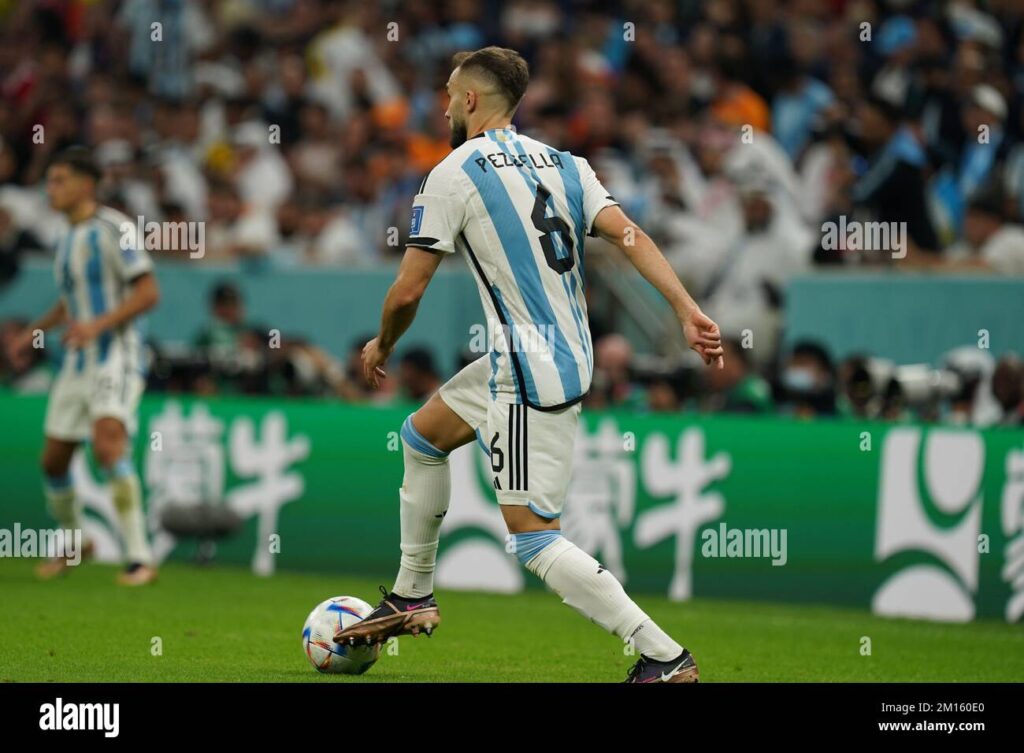
Introduction to FIFA The Fédération Internationale de Football Association (FIFA) is one of the most powerful organizations in the world of sports, governing the international football landscape since 1904. Its influence extends beyond the game itself, shaping cultural identities, national pride, and global cohesion through the sport of football. With over 211 member associations, FIFA
Introduction to FIFA
The Fédération Internationale de Football Association (FIFA) is one of the most powerful organizations in the world of sports, governing the international football landscape since 1904. Its influence extends beyond the game itself, shaping cultural identities, national pride, and global cohesion through the sport of football. With over 211 member associations, FIFA is responsible for organizing the most prestigious tournaments, including the FIFA World Cup, which captivates millions globally every four years.
FIFA’s Recent Developments
Since the last World Cup held in Qatar in 2022, FIFA has been making headlines with its push for inclusivity and financial integrity within the sport. In 2023, FIFA announced a significant increase in funding for women’s football, aiming to equalize prize money and encourage participation at all levels. The latest initiative includes a new Women’s World Cup qualification process, expected to further elevate the women’s game on an international stage.
Moreover, FIFA has also expanded their Global Football Development programs, emphasizing skills training and competitive play in underprivileged regions. This aligns with FIFA’s vision to create more opportunities and access to football, reflecting its commitment to social responsibility and development.
Impact on Global Culture
FIFA’s influence extends into socioeconomic realms as well. Football has historically served as a unifying force, bringing together individuals from diverse backgrounds. Major tournaments like the World Cup function as platforms for cultural exchange, allowing nations to showcase their values and heritage through sport.
However, FIFA has faced its share of controversies, particularly concerning corruption scandals that have marred the organization’s reputation in past decades. Efforts have been made to increase transparency and accountability, rekindling trust among fans and nations alike. FIFA’s current leadership is committed to reform, signifying a potential shift toward a more ethical governance model.
Conclusion and Future Outlook
FIFA’s evolution reflects the dynamic nature of global football, as it continues to address both challenges and opportunities in the sport. The focus on women’s football, transparency, and global outreach enhances FIFA’s role not just as a governing body, but as a leader in promoting unity through sport.
The continued popularity of football suggests that FIFA will remain at the forefront of international sports governance, shaping the future for generations to come. As we look towards upcoming tournaments and initiatives, the significance of FIFA as a pivotal force in global culture and community will undoubtedly flourish.