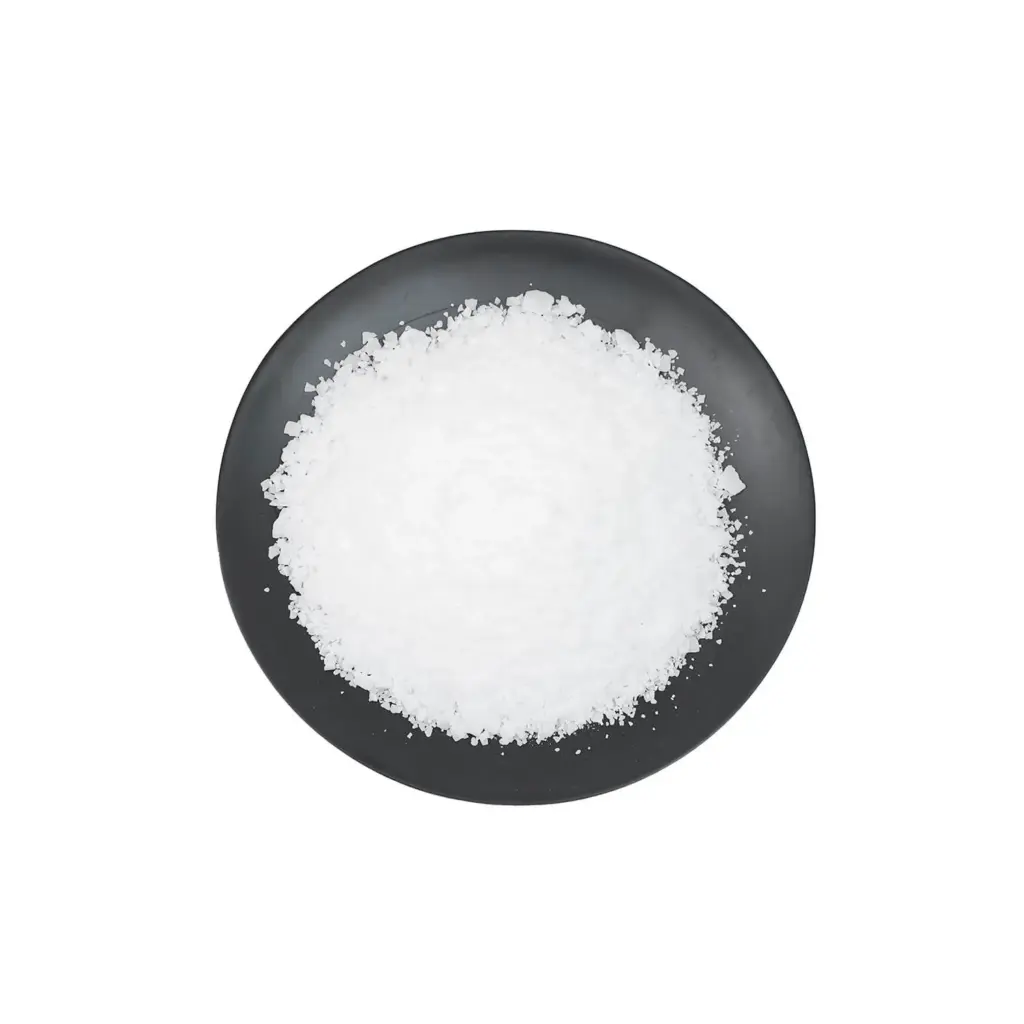
Introduction Hyaluronic acid (HA) has gained significant attention in recent years, especially within the beauty and health industries. This naturally occurring substance in the body plays a crucial role in skin hydration, joint lubrication, and overall cellular function. Due to its ability to retain moisture, hyaluronic acid has become a vital ingredient in skincare products,
Introduction
Hyaluronic acid (HA) has gained significant attention in recent years, especially within the beauty and health industries. This naturally occurring substance in the body plays a crucial role in skin hydration, joint lubrication, and overall cellular function. Due to its ability to retain moisture, hyaluronic acid has become a vital ingredient in skincare products, supplements, and medical treatments, dramatically impacting how we approach health and beauty.
What is Hyaluronic Acid?
Hyaluronic acid is a glycosaminoglycan, a type of molecule composed of sugar, found in various tissues throughout the body, including skin, cartilage, and connective tissues. It has the unique ability to hold up to 1,000 times its weight in water, making it an exceptional hydrator. This property not only aids in maintaining skin elasticity and plumpness but also provides necessary lubrication to joints, reducing friction during movement.
Current Uses
In the world of skincare, hyaluronic acid is celebrated for its hydrating properties. Many cosmetics brands have incorporated HA into serums, moisturizers, and even makeup products. According to market research, the global hyaluronic acid market is expected to reach $14 billion by 2025, driven primarily by the growing demand for anti-aging products among consumers.
Apart from skincare, hyaluronic acid is also widely used in medical applications. It is often injected into joints for patients suffering from osteoarthritis, providing relief and improved mobility. Furthermore, HA has found a place in eye surgeries, aiding in the healing processes post-operation.
Benefits of Hyaluronic Acid
The benefits of hyaluronic acid are numerous:
- Enhanced Skin Hydration: By attracting moisture from the environment, HA keeps the skin supple and well-hydrated.
- Anti-Aging Properties: With age, the body’s natural hyaluronic acid levels decline, leading to wrinkles and sagging skin. Topically applied HA can help restore youthful appearance.
- Joint Support: By lubricating the joints, HA injections can alleviate pain and improve functionality for those with joint issues.
- Wound Healing: HA is known to speed up wound healing, which is beneficial in dermatological treatments.
Conclusion
Hyaluronic acid remains a cornerstone of modern health and beauty solutions. Its extraordinary abilities to hydrate and rejuvenate both skin and joints make it a sought-after ingredient among consumers. As research continues to unveil further benefits, the relevance of hyaluronic acid in preventative care and treatment options will only expand. For anyone looking to enhance skin health and joint mobility, hyaluronic acid is certainly worth considering.