Introduction Jackie Robinson is widely recognized not just as a legendary baseball player, but as a pivotal figure in American history. His courageous entry into Major League Baseball (MLB) in 1947 broke the color barrier, challenging racial segregation in sports and society. Robinson’s achievements continue to resonate, making his story incredibly relevant as discussions around
Introduction
Jackie Robinson is widely recognized not just as a legendary baseball player, but as a pivotal figure in American history. His courageous entry into Major League Baseball (MLB) in 1947 broke the color barrier, challenging racial segregation in sports and society. Robinson’s achievements continue to resonate, making his story incredibly relevant as discussions around race and equality are still prevalent today.
Breaking Barriers
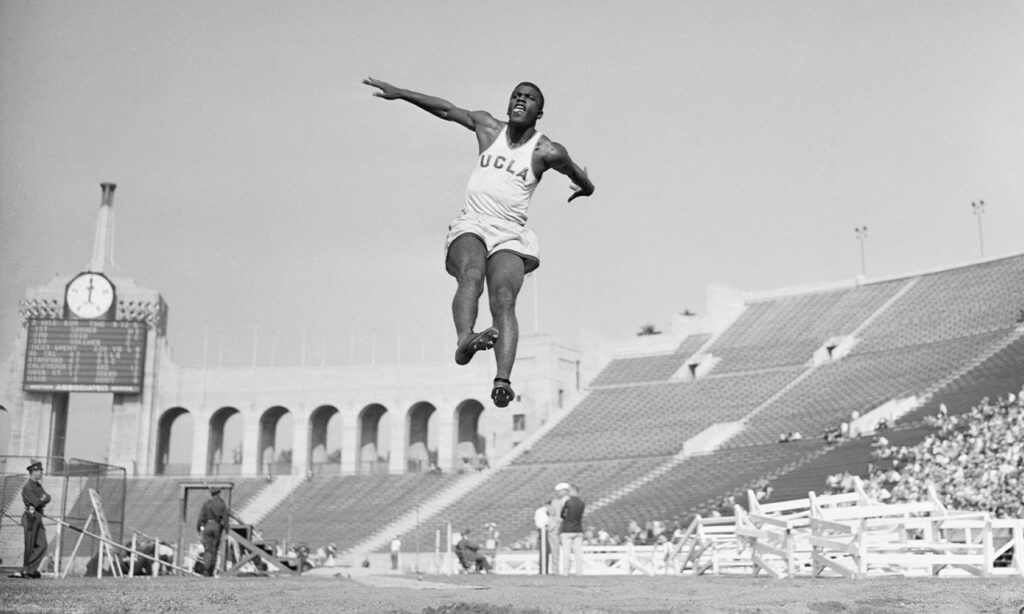
Born on January 31, 1919, in Cairo, Georgia, Jackie Robinson faced racial discrimination from an early age. He excelled in athletics during high school and college before serving in the U.S. Army during World War II. In 1945, he was signed by the Brooklyn Dodgers, but it wasn’t until April 15, 1947, that he made history as the first African American to play in the modern MLB, debuting at Ebbets Field.
Robinson’s arrival in the league was met with both support and fierce opposition, including threats and hostility from fans and even teammates. Yet, his exemplary performance on the field silenced many critics. During his rookie season, he had a batting average of .297, won the Rookie of the Year award, and helped lead the Dodgers to the National League pennant.
Legacy and Influence
Jackie Robinson’s impact extended beyond baseball. He became an influential voice for civil rights, advocating for racial equality, and using his fame to speak out against injustice. In 1948, he was a part of the Civil Rights Committee and supported various organizations focused on ending segregation. His work helped pave the way for future African American athletes, including legends like Willie Mays and Hank Aaron.
In 1997, Major League Baseball honored Robinson by retiring his jersey number, 42, across all teams, ensuring his legacy would never be forgotten. Each year, on April 15, players across the league wear his number to celebrate Jackie Robinson Day.
Conclusion
Jackie Robinson’s pioneering role in baseball and his contributions to civil rights continue to inspire generations. As the nation grapples with ongoing issues of racial inequality, Robinson’s story serves as a reminder of the progress made and the work yet to be done. His legacy is not just about sports; it is about the fight for justice and equality for all. As discussions around race and representation persist in today’s society, Robinson’s impact remains as significant as ever, encouraging not only appreciation of his extraordinary talent but also the values he stood for.