Introduction Jackie Robinson holds a special place in the annals of American sports history as the first African American player to compete in Major League Baseball (MLB) in the 20th century. His debut in 1947 with the Brooklyn Dodgers not only transformed the sport but also served as a significant breakthrough in the civil rights
Introduction
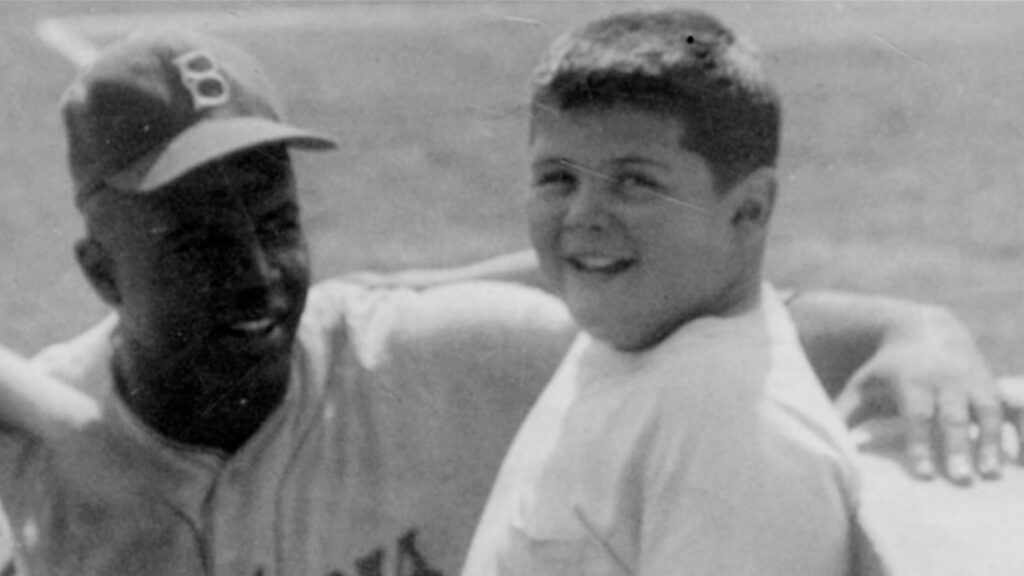
Jackie Robinson holds a special place in the annals of American sports history as the first African American player to compete in Major League Baseball (MLB) in the 20th century. His debut in 1947 with the Brooklyn Dodgers not only transformed the sport but also served as a significant breakthrough in the civil rights movement, symbolizing resilience and courage in the face of racial discrimination. As we reflect on his legacy, it becomes clear that Jackie Robinson’s impact extends beyond baseball itself, influencing generations and reshaping societal norms.
Robinson’s Early Life and Career
Jackie Robinson was born on January 31, 1919, in Cairo, Georgia. Growing up in a racially segregated environment, Robinson faced numerous challenges. However, his athletic prowess emerged early on during his time at UCLA, where he excelled in four sports: football, basketball, baseball, and track. After serving in the United States Army during World War II, he transitioned to professional baseball. In 1945, he joined the Kansas City Monarchs of the Negro Leagues, paving his way to the major leagues.
Breaking Barriers
Robinson’s historic debut on April 15, 1947, against the Boston Braves was a moment that changed the fabric of sports and American society. Initially met with hostility and intense scrutiny, Robinson remained steadfast, showcasing extraordinary talent on the field while maintaining dignity off it. His perseverance helped earn him the Rookie of the Year Award in 1947 and set the stage for the eventual integration of other African American players into MLB.
Legacy and Impact
Jackie Robinson’s impact extends beyond his athletic achievements. He became a prominent figure in advocating for civil rights, using his platform to voice against racial injustice. His involvement with the NAACP and participation in various civil rights initiatives underscored his commitment to creating a more equitable society. In 1997, Major League Baseball honored Robinson by universally retiring his number 42, a tribute that further solidifies his enduring legacy.
Conclusion
Jackie Robinson’s life story is one of courage, determination, and change, making him not only a sports icon but also a pivotal figure in American history. As we continue to celebrate his contributions, it remains crucial for us to remember the broader implications of his journey, inspiring future generations to advocate for equality and justice. Jackie Robinson’s legacy is a profound reminder of the power of sport to unite and transform society, demonstrating the importance of standing up against injustice.