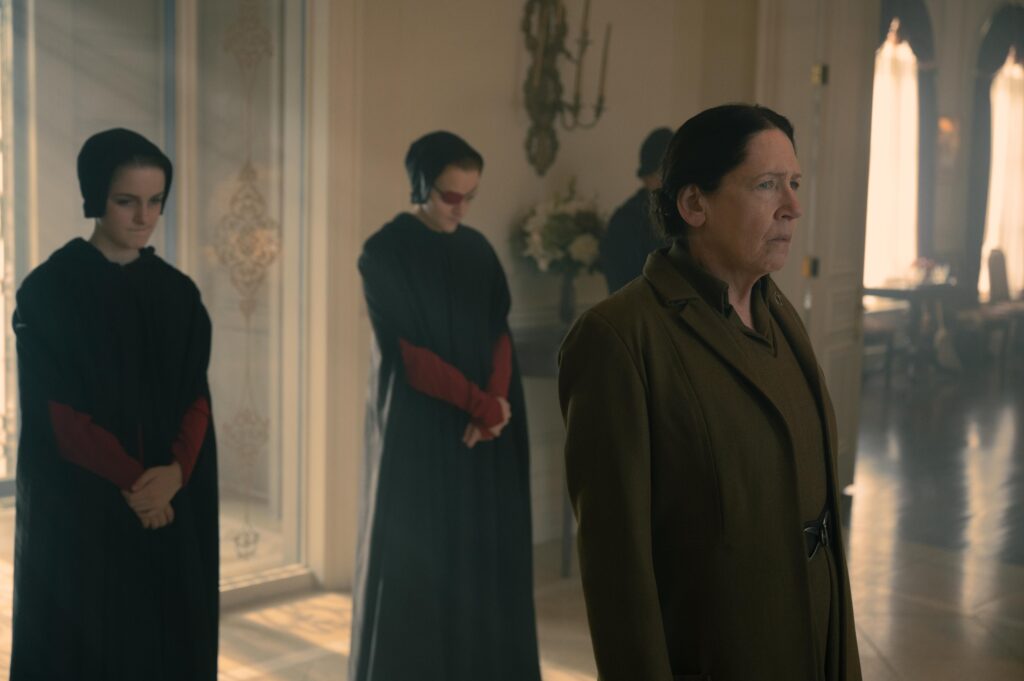
Introduction The Handmaid’s Tale, a dystopian novel written by Margaret Atwood, first published in 1985 and subsequently adapted into a successful television series, remains a significant cultural marker in today’s discussions surrounding women’s rights, autonomy, and societal norms. Its exploration of a totalitarian society, where women’s roles are strictly limited, resonates strongly with contemporary audiences,
Introduction
The Handmaid’s Tale, a dystopian novel written by Margaret Atwood, first published in 1985 and subsequently adapted into a successful television series, remains a significant cultural marker in today’s discussions surrounding women’s rights, autonomy, and societal norms. Its exploration of a totalitarian society, where women’s roles are strictly limited, resonates strongly with contemporary audiences, especially in light of ongoing debates around reproductive rights and gender equality.
The Plot and Its Themes
The narrative follows Offred, a Handmaid living in the Republic of Gilead, where fertility has become a commodity due to a widespread decline in birth rates. The story delves deeply into themes of power, oppression, and resilience. As Offred navigates her restricted existence, the book highlights the dangers of ideological extremism and the loss of individual rights. The television adaptation, which premiered in 2017, has further amplified these themes, captivating audiences worldwide and initiating critical conversations about contemporary parallels.
Cultural Relevance
Recent political events and legislative actions concerning women’s health and rights have led to a resurgence of interest in The Handmaid’s Tale. Activists have employed imagery and references from the series and book during protests against restrictive reproductive laws. The sight of women in red cloaks and white bonnets has become a potent symbol of resistance and a reminder of the fragility of rights that many take for granted. Furthermore, the series has been nominated for numerous awards, highlighting its cultural significance and the strong performances by the cast, notably Elisabeth Moss as Offred.
Public Reception and Impact
Critics and audiences have praised both the novel and its television adaptation for their thought-provoking narratives and their ability to provoke dialogue about issues surrounding gender and power. The Handmaid’s Tale has sparked discussions not only in feminist circles but also across social media platforms, further expanding its reach and relevance. Book clubs, university courses, and online communities have embraced its narrative, creating a comprehensible framework for understanding modern societal issues.
Conclusion
As society continues to grapple with issues of autonomy, rights, and power dynamics, The Handmaid’s Tale serves as a vital cultural touchstone, reminding us of the importance of vigilance in protecting individual freedoms. The lessons from Atwood’s poignant storytelling are more relevant than ever, urging readers and viewers alike to reflect on the state of women’s rights in their own lives. As we look ahead, the ongoing dialogue sparked by The Handmaid’s Tale will likely influence how future generations perceive and fight for equality.