The MG University Kalolsavam showcased traditional songs from the Muthuvan tribe while also facing controversy surrounding modern music.
What does the recent celebration of songs at MG University Kalolsavam reveal about cultural heritage and contemporary issues?
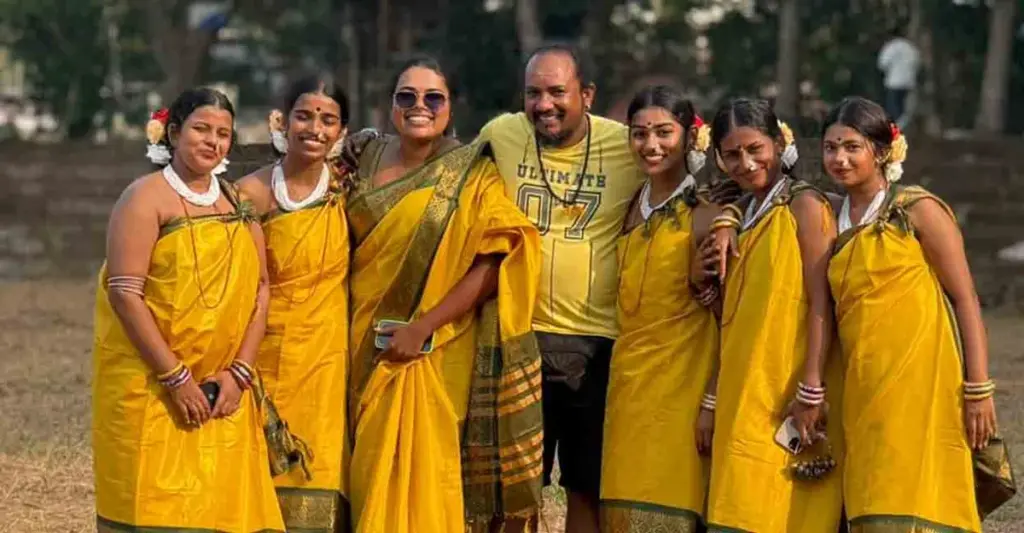
The MG University Kalolsavam, held on March 6, 2026, in Thiruvalla, highlighted the rich cultural tapestry of Kerala through traditional songs, particularly those of the Muthuvan tribe. The Maharaja’s College folk song team emerged victorious in this competition, showcasing a performance that not only celebrated the region’s heritage but also sparked discussions about the preservation of traditional music.
The winning song was learned directly from the Muthuvan community, which is known for its unique oral traditions that blend Malayalam and Tamil. Anjana Raveendran, the trainer of the Maharaja’s College folk song team, emphasized the importance of connecting with the Muthuvan tribe, stating, “We connected with members of the Muthuvan tribe through friends. We stayed with the community for three days and learned the songs ourselves.” This immersive experience reflects a growing trend among artists and educators to engage with indigenous cultures to preserve their musical heritage.
The Muthuvan community, residing primarily in the Kothamangalam region of Ernakulam district and Idamalakkudy in Idukki, has a rich tradition of songs that are passed down orally. The Maharaja’s College folk song category has been introduced for three years, and the team has won first prize each year, competing against 64 other teams. Raveendran is also researching ways to document and notate these folk songs, ensuring that they are preserved for future generations.
In a contrasting narrative, the contemporary music scene faced scrutiny when popular artist Badshah issued an apology for his song “Tateeree,” which was criticized for its objectionable content. Following the backlash, Haryana police initiated a Look Out Circular against him to prevent him from leaving the country. Badshah expressed regret, stating, “I never intended to say anything objectionable against any woman or child from Haryana.” This incident highlights the ongoing tension between artistic expression and societal values.
The controversy surrounding Badshah’s song led to an FIR being registered against him under the Indecent Representation of Women (Prohibition) Act, 1986. Haryana Education Minister Mahipal Dhanda condemned the portrayal of schoolgirls in the song, calling it “condemnable.” This situation underscores the challenges artists face in navigating cultural sensitivities while trying to reach a broad audience.
In a different vein, the Sangeetanjali Shashtriya Sangeet Samiti organized a Holi song and dance event on March 2, featuring a variety of regional songs, including Garhwali, Kumauni, Ruhelkhandi, Braj, and Rajasthani Holi songs. The event showcased the diversity of Indian music and the enthusiasm of 20 artists who performed at the library Amphitheatre, celebrating the festival of colors through song and dance.
As the MG University Kalolsavam continues to promote traditional songs, it raises questions about the future of folk music in a rapidly changing cultural landscape. The juxtaposition of traditional and contemporary music highlights the ongoing dialogue about cultural identity and expression in India. While the celebration of Muthuvan songs reflects a commitment to preserving heritage, the controversies surrounding modern music illustrate the complexities artists face today.
Details remain unconfirmed regarding the long-term impact of these events on the music community and whether they will lead to further discussions about cultural representation in the arts. As artists like Anjana Raveendran strive to document and share traditional songs, the future of music in India remains a dynamic and evolving narrative.