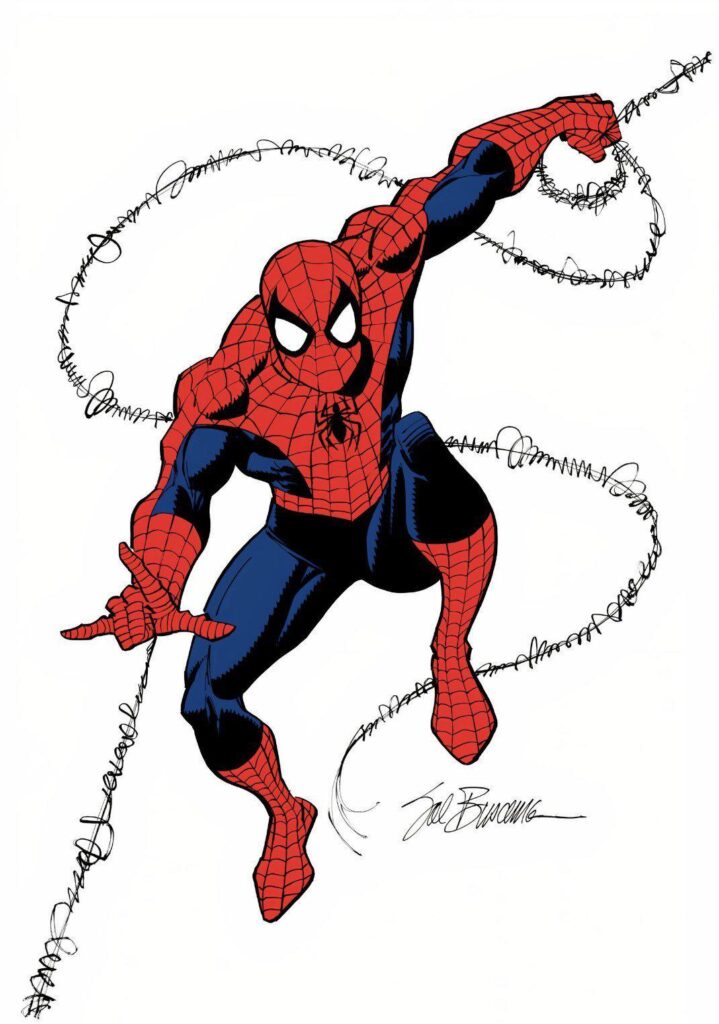
Introduction Sal Buscema, a name synonymous with classic comic book art, has left an indelible mark on the comic book industry over his prolific career. Renowned for his dynamic illustrations and storytelling ability, Buscema’s work has captivated fans and aspiring artists alike for decades. As comic books continue to grow in popularity, particularly with recent
Introduction
Sal Buscema, a name synonymous with classic comic book art, has left an indelible mark on the comic book industry over his prolific career. Renowned for his dynamic illustrations and storytelling ability, Buscema’s work has captivated fans and aspiring artists alike for decades. As comic books continue to grow in popularity, particularly with recent cinematic adaptations, understanding the contributions of artists like Buscema is essential for appreciating the medium’s rich history.
Early Career
Born on January 26, 1936, in Brooklyn, New York, Sal Buscema began his career in the 1950s. He initially worked for various comic book publishers, including Timely Comics, which later evolved into Marvel Comics. By the late 1960s, he established himself as a prominent artist within Marvel, particularly known for his work on characters like Spider-Man and the Avengers. Buscema’s dynamic style and expressive characters quickly garnered attention, leading to numerous high-profile projects.
Significant Contributions
Throughout his career, Buscema has worked on an array of beloved comic book series. His tenure on the Silver Surfer, Doctor Strange, and The Incredible Hulk solidified his reputation as a master storyteller. Notably, Buscema collaborated with writer Roy Thomas on a number of influential comic arcs, such as the classic Avengers storylines. His artwork has often been described as fluid and emotionally engaging, contributing significantly to the deep narratives that his series conveyed.
Later Years and Legacy
In the 1980s and beyond, Buscema continued to work with Marvel, producing iconic covers and series. After retiring from comic book art in the 1990s, he remained an influential figure through mentoring younger artists and participating in comic conventions. Buscema’s influence extends beyond his drawings; he has inspired countless artists to pursue careers in comic art, advocating for the importance of storytelling in visual mediums.
Conclusion
Sal Buscema’s contribution to comic book history is monumental. His commitment to his craft and ability to bring characters to life goes beyond mere illustration; he has shaped the narratives that define Marvel Comics. As new generations of readers discover his work through graphic novels and animations, the legacy of Sal Buscema remains vibrant, stressing the significance of artistic expression within the comic book industry. Future fans and creators will always look back at the work of Buscema as a benchmark of excellence in comic art.