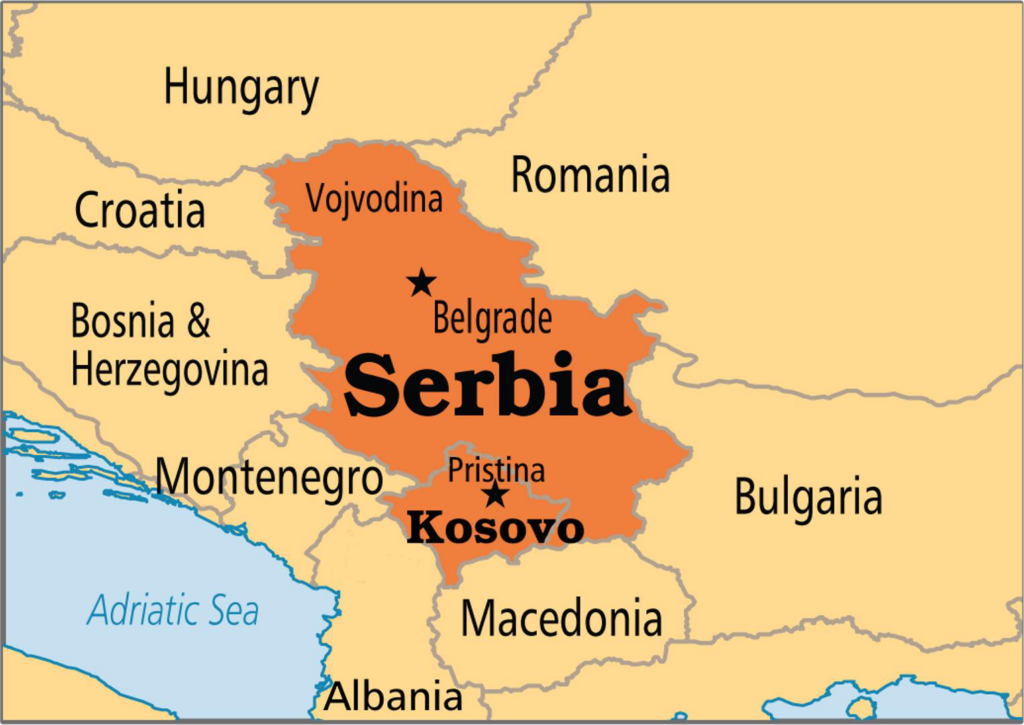
The Importance of Kosovo Kosovo, a small landlocked region in the Balkans, declared independence from Serbia in 2008. This declaration has significant implications for regional stability and international relations in Southeast Europe. As Kosovo continues to navigate its sovereignty and relationship with Serbia and other international players, the evolving political landscape is critical for understanding
The Importance of Kosovo
Kosovo, a small landlocked region in the Balkans, declared independence from Serbia in 2008. This declaration has significant implications for regional stability and international relations in Southeast Europe. As Kosovo continues to navigate its sovereignty and relationship with Serbia and other international players, the evolving political landscape is critical for understanding broader geopolitical trends in the region.
Recent Political Developments
As of late 2023, Kosovo’s political situation has seen increasing tensions, particularly with Serbia. The international community remains concerned about the ongoing dialogues between the two nations, which have been sporadic and often unproductive. In recent weeks, the European Union has intensified its efforts to mediate discussions, aiming to reach a normalization agreement that would foster peace and stability.
Additionally, the internal political scenario within Kosovo has been tumultuous. Elections held in April 2023 brought about significant changes in the parliamentary landscape. The ruling party, Vetëvendosje, has been under pressure due to rising dissatisfaction over economic conditions and public services, setting the stage for a contested election cycle.
International Response
The United States and the European Union have reaffirmed their commitment to supporting Kosovo in its pursuit of stability and economic growth. Recently, U.S. Assistant Secretary of State for European and Eurasian Affairs, Karen Donfried, visited Pristina to discuss ongoing issues, emphasizing the importance of dialogue and reconciliation.
International organizations, including NATO, remain deeply involved in the region. The KFOR mission continues to monitor the security situation, ensuring that peace is maintained amid growing tensions. As of now, Kosovo participates in various international forums, albeit with some limitations on recognition from certain countries, including several EU members.
Conclusion: The Path Ahead
In conclusion, Kosovo stands at a crossroads, facing both challenges and opportunities. The political climate suggests a critical period ahead, with potential for both escalation and resolution of long-standing issues. For citizens of Kosovo, the importance of engaging in democratic processes and fostering constructive dialogue cannot be overstated. As the region watches Kosovo’s journey, the implications of these developments will resonate far beyond its borders, impacting stability and cooperation in the Balkans going forward.