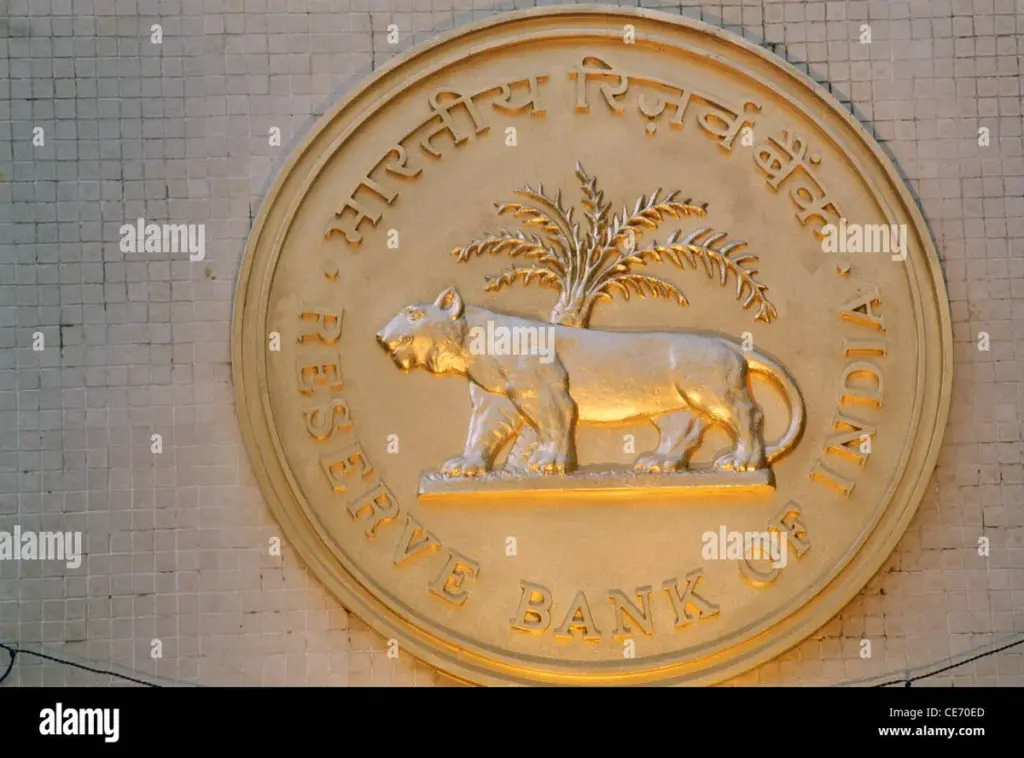
The RBI has recently introduced a Benchmark Issuance Strategy for state borrowings while approving a major stake acquisition in RBL Bank by Emirates NBD.
Before the recent developments, the Reserve Bank of India (RBI) was primarily focused on managing state borrowings without a structured approach. States often faced challenges in planning their market borrowings, leading to inconsistencies and inefficiencies in the process.
On April 3, 2026, the RBI introduced the Benchmark Issuance Strategy (BIS) for market borrowings on a pilot basis for nine states, marking a significant shift in its approach. This strategy involves issuing securities in specific benchmark tenor buckets according to a pre-announced calendar, which aims to streamline the borrowing process.
The nine states included in this pilot are Andhra Pradesh, Bihar, Chhattisgarh, Kerala, Madhya Pradesh, Maharashtra, Rajasthan, Telangana, and Uttar Pradesh. Collectively, these states are expected to borrow ₹1,53,900 crore in the first quarter of FY27, which is lower than last year’s first quarter borrowing calendar of ₹2,73,255 crore. The total market borrowings by State Governments and Union Territories for April to June 2026 are projected to be ₹2,54,509 crore.
This new strategy is expected to have direct effects on the states involved, as it will provide them with a more predictable and organized framework for their market borrowings. The RBI has been actively sensitizing states about the adoption of BIS, emphasizing its importance in enhancing financial management.
In another significant development, the RBI approved Emirates National Bank of Dubai (Emirates NBD) to acquire up to a 74% stake in RBL Bank. This approval, granted on April 1, 2026, comes with a one-year validity and allows Emirates NBD to express its interest in acquiring a majority 60% stake in RBL Bank for ₹26,853 crore.
However, the voting rights of Emirates NBD in RBL Bank will be capped at 26% of the total voting rights, which indicates the RBI’s cautious approach towards foreign investment in Indian banks. The provisions applicable to foreign banks operating in wholly owned subsidiary mode will also apply to Emirates NBD, except for certain requirements regarding independent directors.
Furthermore, the RBI is taking steps to restrict Non-Deliverable Derivatives (NDDs) to curb speculative trading and strengthen the domestic forex market. NDDs are offshore derivative contracts settled in cash without actual exchange of the domestic currency, and their regulation is aimed at reducing volatility in the forex market.
As the RBI continues to implement these changes, experts note that they could influence market expectations and exert pressure on the rupee through speculative positions. The RBI’s proactive measures reflect its commitment to maintaining stability in the financial system while adapting to evolving market dynamics.
Details remain unconfirmed regarding the long-term impacts of these changes, but the immediate effects are already being felt across the financial landscape.