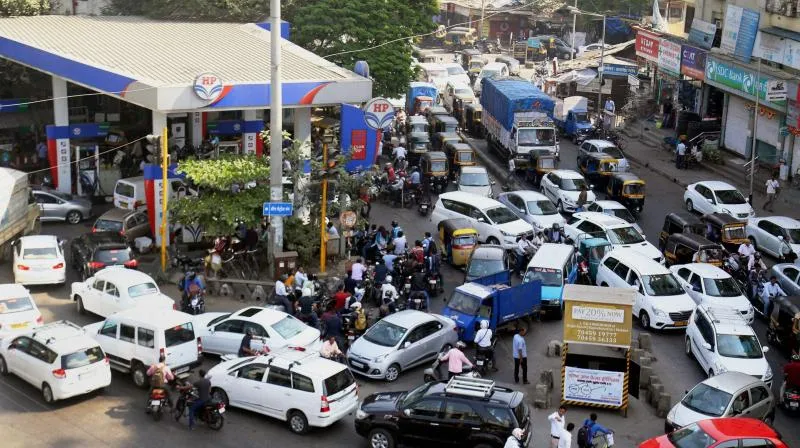
The recent excise duty cuts on petrol and diesel have sparked discussions about their implications for consumers and the economy.
Who is involved
In recent years, the landscape of fuel pricing in India has been heavily influenced by global crude oil prices and domestic policies. Before the latest developments, consumers were bracing for further increases in petrol and diesel prices, which had already seen significant hikes due to soaring international crude prices. As of March 2026, crude oil prices had surged from around $70 per barrel to nearly $122 per barrel, leading to substantial losses for oil marketing companies, estimated at Rs 24 per litre on petrol and Rs 30 per litre on diesel.
However, a decisive moment arrived when the government announced a cut in excise duty on petrol by Rs 10 per litre, reducing it from Rs 13 to Rs 3 per litre. Additionally, the excise duty on diesel was eliminated entirely, dropping from Rs 10 per litre to zero. This move was seen as a necessary intervention to alleviate the financial burden on consumers amid escalating fuel prices.
The immediate effects of these changes were significant. While the excise duty cut was expected to provide some relief to consumers, retail pump prices remained unchanged following the revision. This has raised questions about whether the benefits of the duty cut will actually reach consumers or if they will be absorbed by the oil companies instead. Oil Minister Hardeep Singh Puri noted, “The government faced a choice between passing on the full impact to consumers or absorbing part of the shock,” highlighting the delicate balance the government is trying to maintain.
Finance Minister Nirmala Sitharaman emphasized the importance of the excise duty reduction, stating, “The reduction in excise duty will provide protection to consumers from rise in prices.” This statement reflects the government’s intent to shield consumers from the full brunt of rising global oil prices. However, experts caution that while the cut may stabilize prices, it does not necessarily mean that fuel will become cheaper. One expert remarked, “The benefit of the duty cut is being used to stabilise prices, not reduce them,” indicating that the primary goal may be to prevent further price hikes rather than to lower existing prices.
Despite the positive intentions behind the excise duty cuts, uncertainties remain regarding their long-term impact. It is unclear how quickly oil marketing companies will pass on the benefits of the duty cut to consumers. Additionally, the overall revenue loss for the government due to this excise duty cut is estimated to be around INR 1.75 lakh crore annually, raising concerns about the fiscal implications of such a decision.
As the government navigates these changes, it faces the challenge of addressing public concern over rising fuel costs, especially with state elections on the horizon. The imposition of export duties of INR 21.5 per litre on diesel and INR 29.5 per litre on aviation turbine fuel (ATF) further complicates the situation, as it reflects the government’s attempt to manage domestic supply and demand while balancing international market pressures.
In summary, the recent excise duty cuts on petrol and diesel represent a significant shift in government policy aimed at mitigating the impact of rising fuel costs on consumers. However, the effectiveness of these measures in providing tangible relief remains to be seen, as details remain unconfirmed regarding how they will influence retail prices in the coming months. The interplay between global oil prices, domestic policies, and consumer expectations will continue to shape the future of fuel pricing in India.