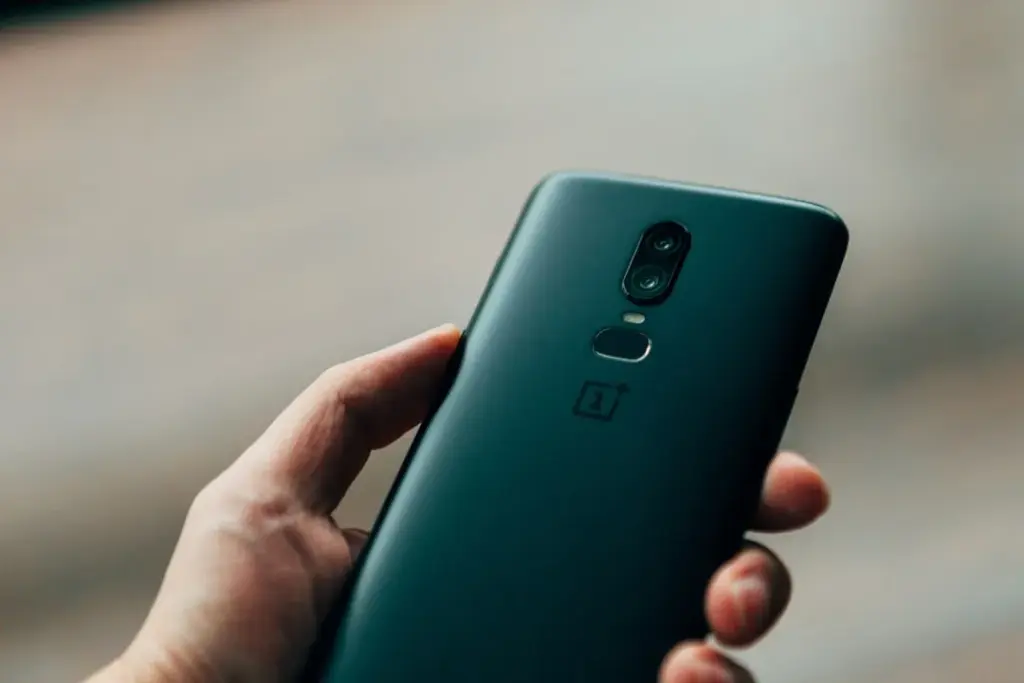
The merger of OnePlus and Realme highlights significant changes within the Oppo group, affecting their global operations and market viability.
The merger of OnePlus and Realme marks a significant consolidation within the Oppo group amid ongoing speculation about OnePlus’s viability in global markets. This development comes as both brands aim to streamline their operations and enhance their competitive edge.
Before this merger, OnePlus operated as a distinct sub-brand under Oppo, while Realme was also part of the same umbrella. Each brand had its own identity and product lines, catering to different segments of the smartphone market. However, recent challenges in global operations raised questions about OnePlus’s future, particularly in Europe.
The decisive moment came with the announcement that OnePlus and Realme would merge their operations into a new “sub-product center.” This strategic move aims to unify marketing and after-sales services for both brands. The current landscape shows that Realme has established a presence in Europe but lacks penetration in the United States, while OnePlus has not released any new products for global markets in recent months.
As a result of this merger, several direct effects are already visible. First, marketing efforts will be streamlined, potentially leading to cost savings. Second, customers may experience improved after-sales services due to shared resources. However, there is uncertainty surrounding how this merger will impact OnePlus’s global operations moving forward.
Experts weigh in on this shift. They note that consolidating resources might bolster both brands’ competitiveness against larger rivals like Samsung and Apple. Yet, they caution that without clear product strategies or timelines for new releases, customers may remain hesitant about their loyalty.
Robin Liu’s recent resignation as CEO of OnePlus India adds another layer of complexity to this transition. Despite this change in leadership, OnePlus India has assured stakeholders that it continues to operate its business as usual.
This merger could redefine how consumers perceive these smartphone brands. As they navigate this new chapter under the Oppo group, it remains crucial for both companies to communicate effectively with their customer base.
The future holds many questions: How will this consolidation affect product innovation? Will it enhance or hinder brand loyalty? As these brands move forward together, clarity on their product strategy will be essential for maintaining consumer trust.