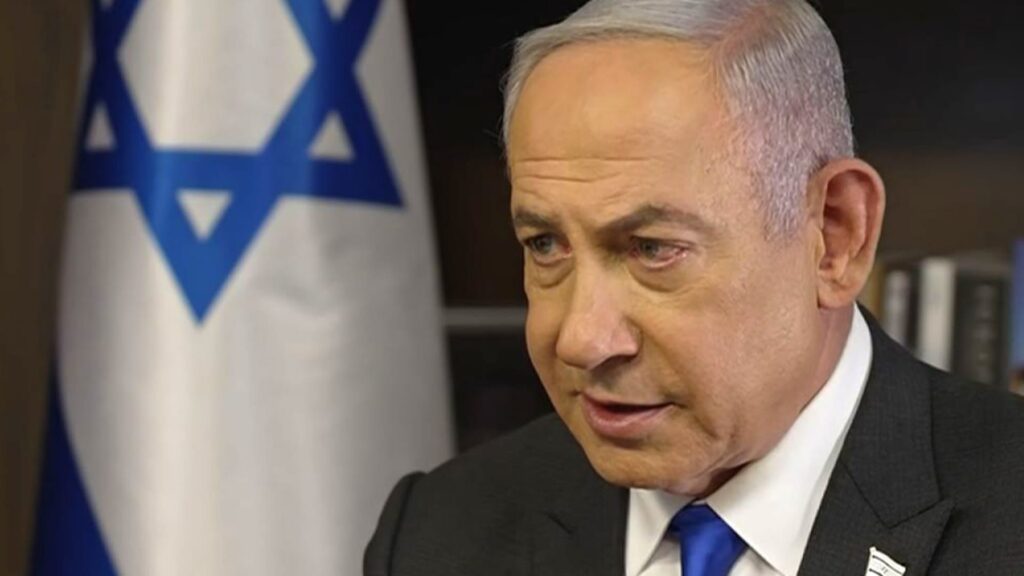
Introduction The political journey of Benjamin Netanyahu is one of intrigue, controversy, and resilience. As the longest-serving Prime Minister of Israel, Netanyahu’s leadership continues to shape the nation’s politics significantly. With recent events hinting at a turbulent political landscape, examining Netanyahu’s current position is crucial for understanding Israel’s future. Current Political Climate In recent weeks,
Introduction
The political journey of Benjamin Netanyahu is one of intrigue, controversy, and resilience. As the longest-serving Prime Minister of Israel, Netanyahu’s leadership continues to shape the nation’s politics significantly. With recent events hinting at a turbulent political landscape, examining Netanyahu’s current position is crucial for understanding Israel’s future.
Current Political Climate
In recent weeks, Netanyahu has faced mounting challenges both domestically and internationally. His government’s recent judicial reform proposal sparked widespread protests across Israel, with hundreds of thousands of citizens taking to the streets, arguing that these changes threaten the independence of the judiciary. The proposed reforms have polarized Israeli society, with supporters emphasizing the need for oversight and critics condemning the perceived erosion of democracy.
Amid these challenges, Netanyahu’s coalition government, which includes several right-leaning parties, has also been tested by internal rifts. Key ministers have diverged on their approaches to security policies and settlement expansions in the West Bank, underscoring the fragile nature of his political alliance.
International Relations and Security Concerns
On the international stage, Netanyahu’s administration has been under scrutiny regarding its approach to relations with the Palestinian Authority and its stance on regional security. The ongoing tensions between Israel and Palestine, marked by periodic escalations of violence, remain a critical issue for Netanyahu. The Prime Minister’s commitment to hardline security measures is viewed as necessary by many within Israel, but critics argue that these policies may further alienate Palestinians and hinder peace negotiations.
Moreover, Netanyahu’s strategy regarding Iran’s nuclear ambitions continues to be a focal point of his foreign policy. In the face of renewed concerns over Iran’s nuclear development, Netanyahu has called for stronger international action, indicating that this will remain a priority as tensions escalate in the region.
Conclusion
As Benjamin Netanyahu navigates these tumultuous waters, the implications of his leadership extend well beyond Israel’s borders. His ability to maintain stability within his government while addressing public demands and international concerns will be critical in the coming months. The ongoing protests reflect a society at a crossroads, highlighting the necessity for a balance between security and democratic values. Ultimately, the path Netanyahu chooses may determine not only his political future but also the trajectory of Israeli democracy, making it essential for observers to remain vigilant in watching how this situation unfolds.