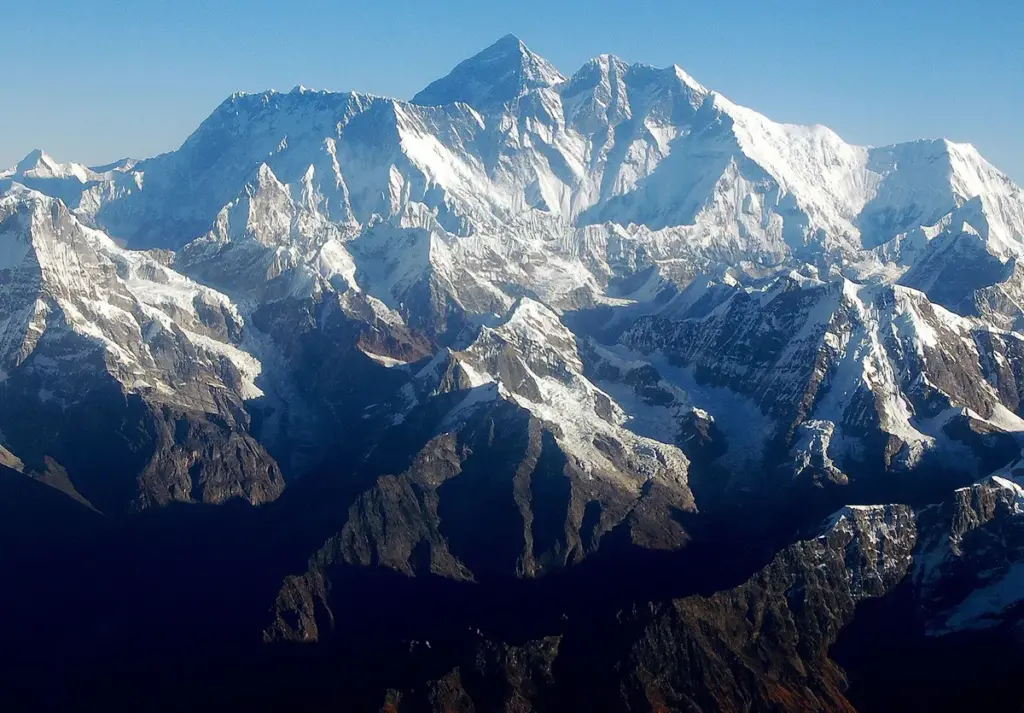
A significant insurance scam involving Mount Everest has come to light, leading to multiple arrests and raising serious concerns about the climbing industry in Nepal.
The wider picture
The Mount Everest region, known for its breathtaking beauty and challenging climbs, has recently been marred by a significant insurance scam. This fraudulent scheme, which allegedly involved staged rescues and false insurance claims, has raised serious concerns about Nepal’s reputation in the global climbing community. The scam is estimated to be worth around $20 million, or 160 crore in local currency, and has implications for the safety and integrity of the climbing industry.
In early April 2026, Nepal’s Central Investigation Bureau announced the arrest of ten individuals connected to this extensive scam. The investigation revealed that 32 guides have been charged, with nearly 4,800 international climbers treated at hospitals implicated in the fraudulent activities between 2022 and 2025. The scale of the operation has shocked many, as it involved faking documents and forging passenger and cargo manifests to facilitate the scam.
According to a spokesperson from the Nepal police, “Hospitals, helicopter operators, and guides are also linked in this chain,” indicating a broader network of complicity. Reports suggest that some guides even resorted to poisoning clients to create fake emergencies, allowing them to claim insurance money for non-existent rescues. Such actions have not only endangered lives but have also tarnished the image of Nepal as a premier destination for climbers.
The Nepali government is currently investigating fraudulent helicopter rescues that amount to $19 million. This investigation comes at a time when Balendra Shah, who became Prime Minister of Nepal in March 2026, is advocating for reforms in the Everest climbing industry. Shah’s administration aims to restore trust and ensure the safety of climbers, as the growing number of incidents raises alarms about the integrity of the climbing experience.
In the midst of these developments, climbers continue to push the limits of adventure. Notably, Kristin Harila is attempting a no-oxygen ascent of Everest, Lhotse, and Nuptse in 2026, while a Romanian climber is making headlines by walking nearly 1,300 miles from sea level to Everest. Additionally, Nepali climbers are planning an initiative called Summit to Sea, which aims to raise awareness for river health, showcasing the positive aspects of climbing culture.
As the investigation unfolds, observers remain cautious. Mingma David Sherpa, a prominent figure in the climbing community, stated, “We need to reduce the number of people dying,” highlighting the urgent need for safety reforms. The full extent of the insurance scam and the number of individuals involved is still unclear, and details remain unconfirmed.
With drones now being utilized to transport supplies on Everest in 2026, the landscape of climbing is evolving. However, the shadow of the insurance scam looms large, prompting calls for greater accountability and transparency within the industry. As the situation develops, it is crucial for stakeholders to work collaboratively to ensure that the legacy of Mount Everest remains one of adventure and achievement, rather than deceit and danger.