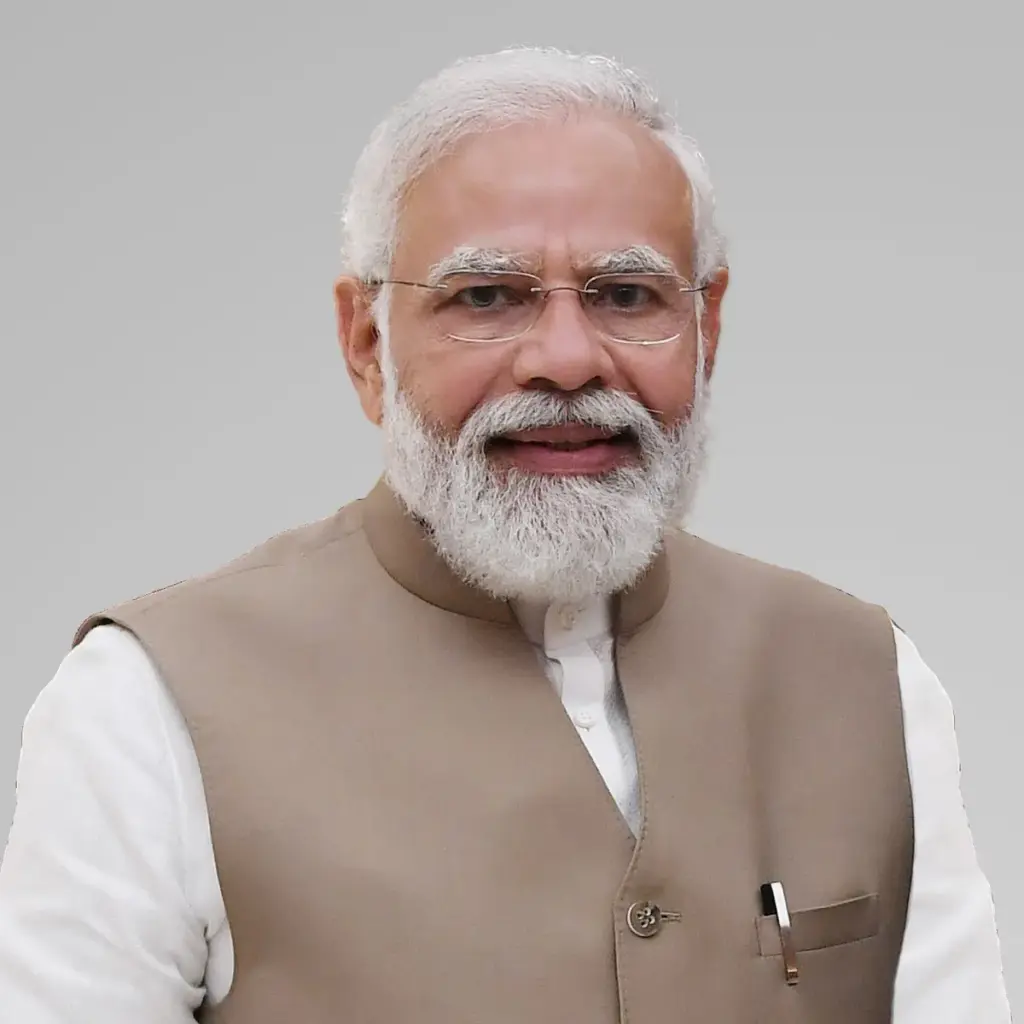
The ongoing West Asia conflict has significant implications for India, prompting Prime Minister Modi to engage with global leaders.
How it unfolded
The crisis in West Asia has been escalating for over three weeks, creating a complex web of economic, national security, and humanitarian challenges for India. As the situation intensifies, Prime Minister Narendra Modi has been actively engaging with leaders from Gulf countries, Iran, Israel, and the United States to address the unfolding crisis.
In the days leading up to the conflict, India was already aware of the potential repercussions due to its extensive trade relations with countries involved in the conflict. With nearly one crore Indians living and working in Gulf nations, the stakes were particularly high. The government had established 24/7 control rooms and emergency helplines to assist Indians abroad, reflecting the urgency of the situation.
As the conflict escalated, more than 3,75,000 Indians successfully returned to India since the onset of the war. This mass return underscores the immediate impact of the conflict on Indian citizens and the government’s commitment to their safety. Prime Minister Modi emphasized the need for a united voice from India’s Parliament, stating, “India’s concerns are naturally greater, and therefore it is essential that a united and unanimous voice goes out to the world from India’s Parliament on this crisis.”
In response to the crisis, the Indian government has been closely monitoring global developments to safeguard consumer and industry interests. Modi stated, “Continuous efforts are also underway to determine how we can overcome the disruptions that have occurred in the supply chain.” This proactive approach is crucial, given that India has expanded its energy import sources from 27 to 41 countries over the past 11 years, ensuring a diversified energy portfolio amidst global uncertainties.
Moreover, India’s Strategic Petroleum Reserve, which exceeds 53 lakh metric tonnes, provides a buffer against potential supply disruptions. The Prime Minister has also raised concerns regarding the reopening of the Strait of Hormuz, a vital shipping lane for oil, highlighting the interconnectedness of global energy security and regional stability.
In addition to energy concerns, the conflict has led to significant disruptions in education, with the Central Board of Secondary Education (CBSE) canceling scheduled Class 10th and 12th examinations in Indian schools located in Gulf countries. This decision reflects the broader impact of the conflict on the lives of Indian expatriates and their families.
As the situation continues to evolve, the Indian government remains committed to protecting its citizens and interests abroad. Prime Minister Modi’s engagement with global leaders is a testament to India’s proactive diplomatic efforts in navigating this complex crisis. The whole world is urging all parties for the earliest possible resolution of this crisis, and India’s role in these discussions is pivotal.
In summary, the ongoing conflict in West Asia poses significant challenges for India, necessitating a multifaceted response from the government. With a large diaspora in the region and substantial economic ties, the implications of the crisis are profound, making it imperative for India to remain vigilant and responsive to the changing dynamics.