Importance of Jackie Robinson Jackie Robinson is not just a hero in baseball; he is a symbol of breaking racial barriers and the fight for civil rights in America. His groundbreaking achievements paved the way for future generations of athletes and contributed to the ongoing struggle for equality. Robinson’s legacy remains relevant today, especially as
Importance of Jackie Robinson
Jackie Robinson is not just a hero in baseball; he is a symbol of breaking racial barriers and the fight for civil rights in America. His groundbreaking achievements paved the way for future generations of athletes and contributed to the ongoing struggle for equality. Robinson’s legacy remains relevant today, especially as discussions about race, diversity, and inclusion continue in sports and society.
Key Events in Jackie Robinson’s Career
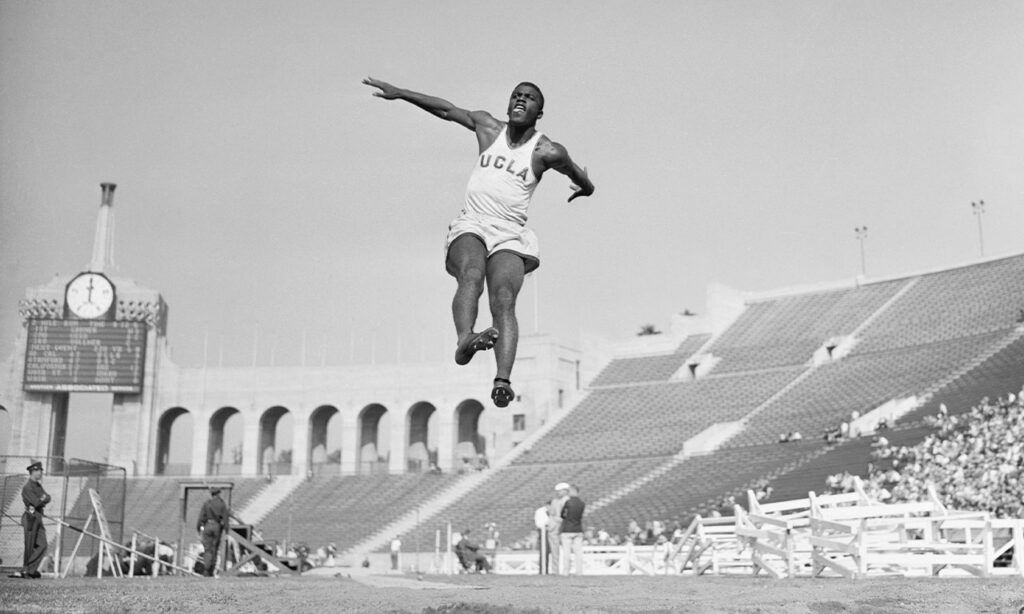
Born on January 31, 1919, in Cairo, Georgia, Jackie Robinson faced numerous challenges due to the racial segregation prevalent in the United States at that time. After excelling in various sports at UCLA, Robinson joined the Negro Leagues, playing for the Kansas City Monarchs, where he showcased his exceptional talent. In 1947, he made history by breaking Major League Baseball’s color barrier when he was signed by the Brooklyn Dodgers, becoming the first African American to play in the MLB since the 1880s.
Robinson’s debut on April 15, 1947, against the Boston Braves was not just a game; it was a pivotal moment in history. His performance and tenacity on the field, along with his ability to handle the intense scrutiny and racism he faced, became catalysts for change in sports. Throughout his career, he was named Rookie of the Year in 1947, six-time All-Star, and the 1949 National League MVP. Robinson’s influence extended beyond baseball, impacting social justice movements and the civil rights movement during the 1950s and 1960s.
Jackie Robinson’s Legacy
Jackie Robinson passed away on October 24, 1972, but his contributions left an indelible mark on American culture. In 1997, Major League Baseball honored Robinson by retiring his jersey number, 42, across all teams, a powerful reminder of his significance. Jackie Robinson Day is celebrated every year on April 15, when players wear the number 42 in remembrance.
Conclusion
As we reflect on Jackie Robinson’s life, we recognize that his impact transcends the realm of sports. He serves as an emblem of resilience, courage, and the fight for justice. Today, Robinson’s story continues to inspire athletes and advocates for equality, reminding us of the ongoing journey toward a more inclusive society. His legacy prompts readers to consider the importance of diversity both in sports and across all walks of life.