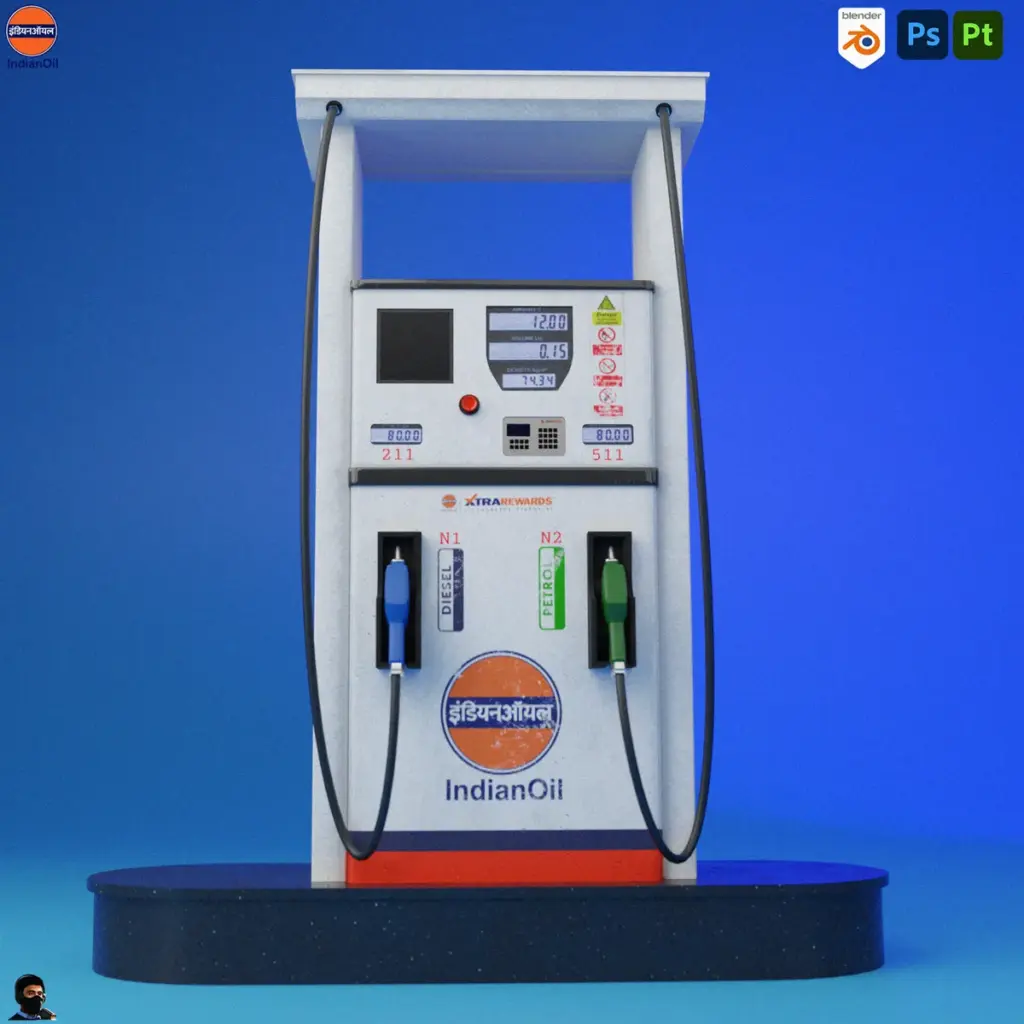
IndianOil has increased the price of its premium petrol product XP-95 by ₹2 per litre, while standard petrol and diesel prices remain stable. Observers note the impact of rising crude oil costs.
India is the world’s third-largest consumer of crude oil, importing around 85 percent of its requirements. In a recent development, IndianOil has announced an increase in the price of its premium petrol product, XP-95, by ₹2 per litre. This adjustment comes amid a significant rise in international crude oil costs, which have nearly doubled from US$71 to US$156 per barrel over the past 20 days.
Despite this increase in the price of XP-95, standard petrol and diesel prices in India remain unchanged. XP-95 accounts for approximately 5 percent of total petrol sales in the country, indicating that while the price hike may affect a smaller segment of consumers, it reflects broader trends in the global oil market.
IndianOil serves an impressive 3.2 crore customers daily and refills over 27 lakh LPG cylinders, highlighting its critical role in the Indian energy sector. The company also fuels over 2,800 flights at 130 airports across the nation, underscoring its extensive operational footprint.
A S Sahney, a representative of IndianOil, reassured the public, stating, “There is no shortage of petrol or diesel in the country.” He emphasized that IndianOil outlets across the country are well-stocked and functioning normally. Sahney cautioned against unverified rumors, which he noted can lead to unnecessary panic and disrupt supply.
He further urged consumers to avoid panic buying and to rely only on official information regarding fuel availability. This statement aims to quell any concerns that may arise from the recent price changes and the fluctuations in crude oil prices.
As of March 20, 2026, IndianOil’s market capitalization stands at ₹2,04,193 Crore, and the company reported a Q3 standalone net profit of ₹12,126 Crore, marking a remarkable 322% year-over-year increase from ₹2,874 Crore.
Observers are closely monitoring the situation, especially as the energy market continues to experience volatility. The recent price adjustments may prompt further discussions on fuel pricing and supply chain stability in the coming weeks.
Details remain unconfirmed regarding any future price changes for standard petrol and diesel, but the current landscape suggests that consumers should stay informed as the situation develops.