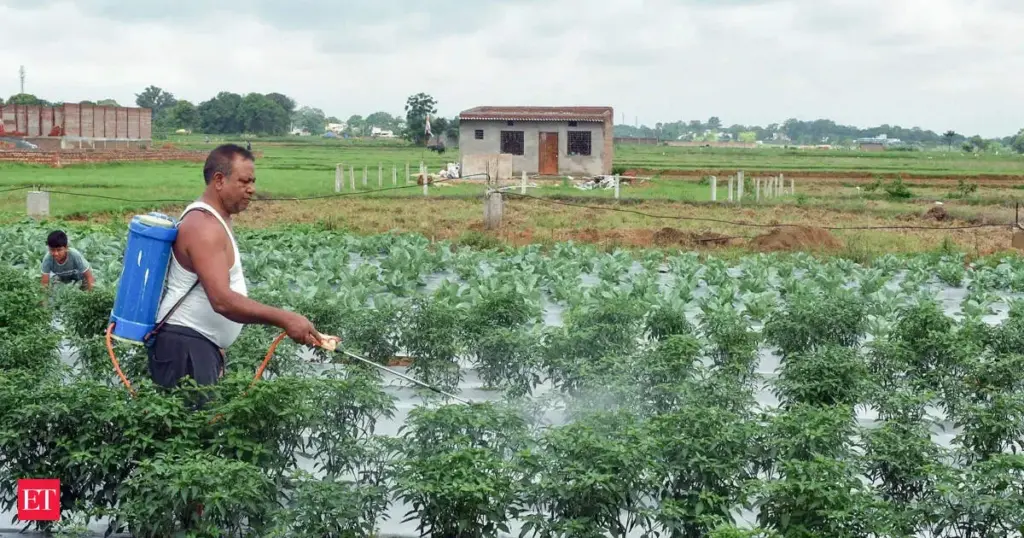
The IMD’s 2026 monsoon forecast indicates a significant shift in expected rainfall patterns for India, forecasting below-normal precipitation.
In recent years, expectations for India’s monsoon have been cautiously optimistic, with forecasts often predicting near-normal rainfall. However, the latest update from the India Meteorological Department (IMD) has introduced a stark contrast to this trend. The IMD’s April forecast for 2026 indicates that the southwest monsoon is likely to be below normal, with rainfall expected to reach only 92% of the long-period average (LPA) of 87 cm.
This forecast marks a significant shift, as it is the first time in 11 years that the IMD has issued a warning for below-normal rainfall. The prediction is influenced by critical climate signals, including a transition from La Niña conditions and the potential onset of El Niño, which can drastically alter weather patterns.
The immediate implications of this forecast are concerning for various stakeholders. Farmers, who rely heavily on the monsoon for irrigation, may face challenges in crop production, potentially impacting food security and agricultural markets. The last experience of reduced monsoon rainfall in 2023, where rainfall was projected at 96% of the LPA, serves as a reminder of the vulnerabilities within India’s agricultural sector.
Historically, the IMD’s forecasts have not always aligned with actual rainfall outcomes. For instance, in 2015, a warning of below-normal rainfall at 93% of the LPA resulted in actual rainfall plummeting to 86%. Such discrepancies highlight the uncertainties inherent in weather predictions and the potential for significant impacts on agriculture and water resources.
As experts analyze the current forecast, they emphasize the need for preparedness among farmers and policymakers. The IMD’s warning underscores the importance of adapting agricultural practices to mitigate the risks associated with changing rainfall patterns.
In summary, the IMD’s 2026 monsoon forecast presents a challenging outlook for India, with below-normal rainfall anticipated. This shift not only affects agricultural stakeholders but also raises broader concerns about climate resilience and food security in the region.