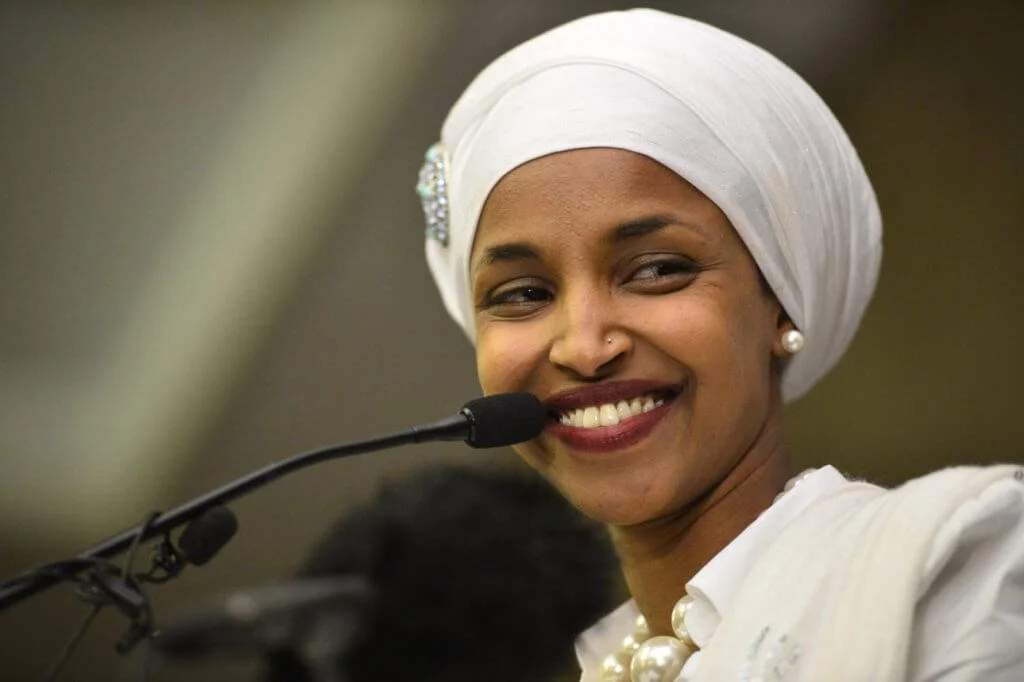
Introduction Ilhan Omar, the U.S. Representative for Minnesota’s 5th congressional district, has been a significant figure in American politics since her election in 2018. As one of the first two Muslim women elected to Congress and the first Somali-American lawmaker, her presence in the legislative body reflects a shift towards greater diversity and representation in
Introduction
Ilhan Omar, the U.S. Representative for Minnesota’s 5th congressional district, has been a significant figure in American politics since her election in 2018. As one of the first two Muslim women elected to Congress and the first Somali-American lawmaker, her presence in the legislative body reflects a shift towards greater diversity and representation in political offices. Omar’s activism and background have garnered widespread attention, making her an important voice in today’s socio-political landscape.
Key Achievements and Political Stance
Omar is known for her progressive policies and advocacy for social justice issues, including healthcare reform, education, and immigrant rights. She has been a staunch supporter of the Green New Deal and initiatives aimed at combating climate change. Within Congress, she has also focused on addressing systemic inequalities and has worked to promote economic reform aimed at supporting low-income families.
Her influence has extended beyond her district, with her outspoken criticism of policies related to immigration and racial injustice resonating across the nation. Recently, Omar has been active in discussions about foreign policy, particularly in relation to Israel and Palestine, advocating for a balanced approach that considers the rights and needs of both parties.
Challenges and Controversies
Despite her achievements, Omar has faced considerable challenges, including backlash for her views and attacks on her character. She has been the target of criticism from political opponents and some segments of the public, often due to her forthright comments on sensitive issues. Omar has consistently responded by reaffirming her commitment to her values, engaging in dialogue, and making it clear that her motivations stem from her personal story and identity as a refugee and immigrant.
Conclusion
Looking ahead, Ilhan Omar is likely to remain a pivotal figure in Congress, championing causes that align with her vision of justice and equality. Her continued efforts to advocate for marginalized communities and push for progressive reforms are important for shaping the future of American politics. As the political climate evolves, Omar’s journey will serve as a reflection of the broader struggle for representation and inclusivity in the United States. For readers, understanding Omar’s role provides insight into the ongoing changes and challenges within contemporary political discourse.